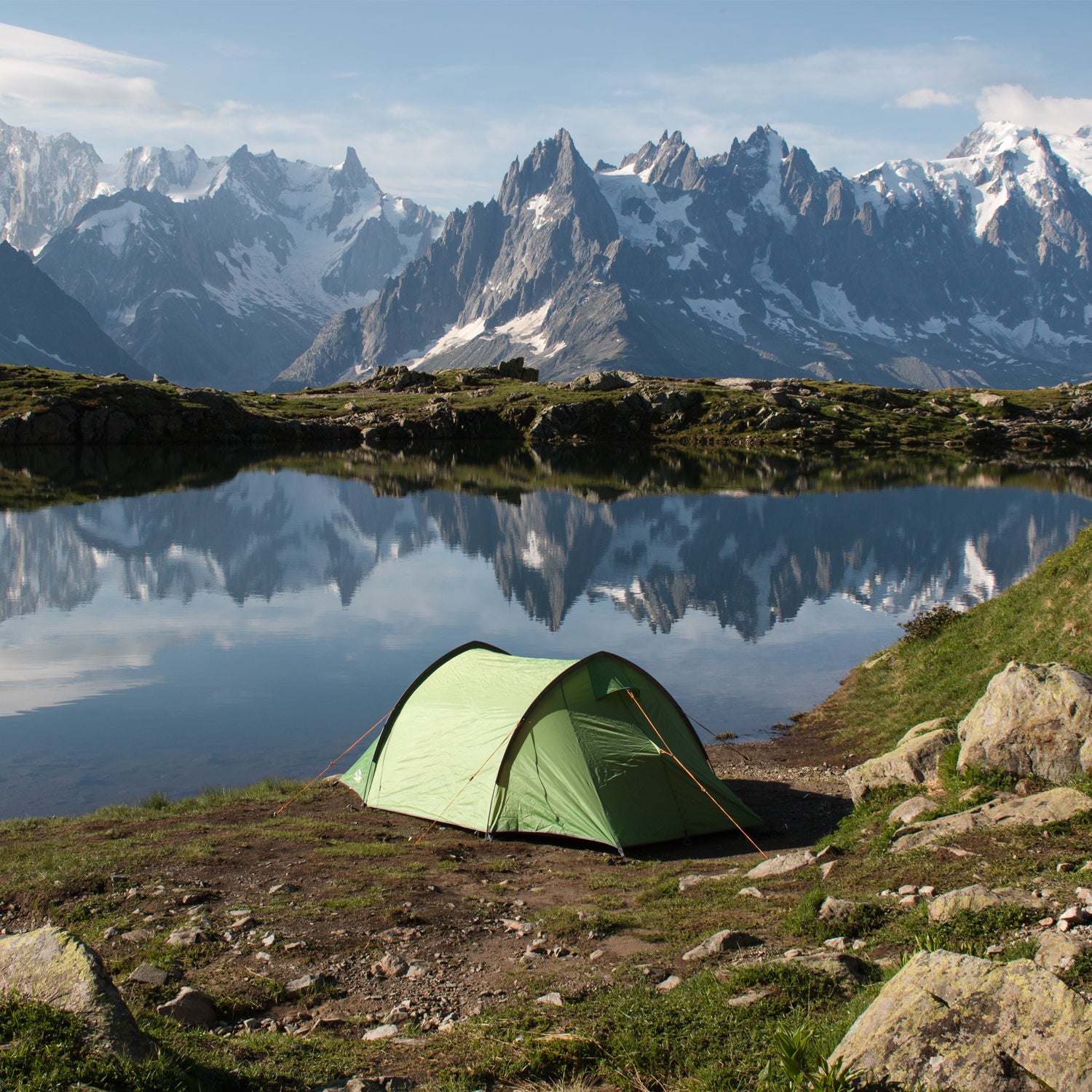
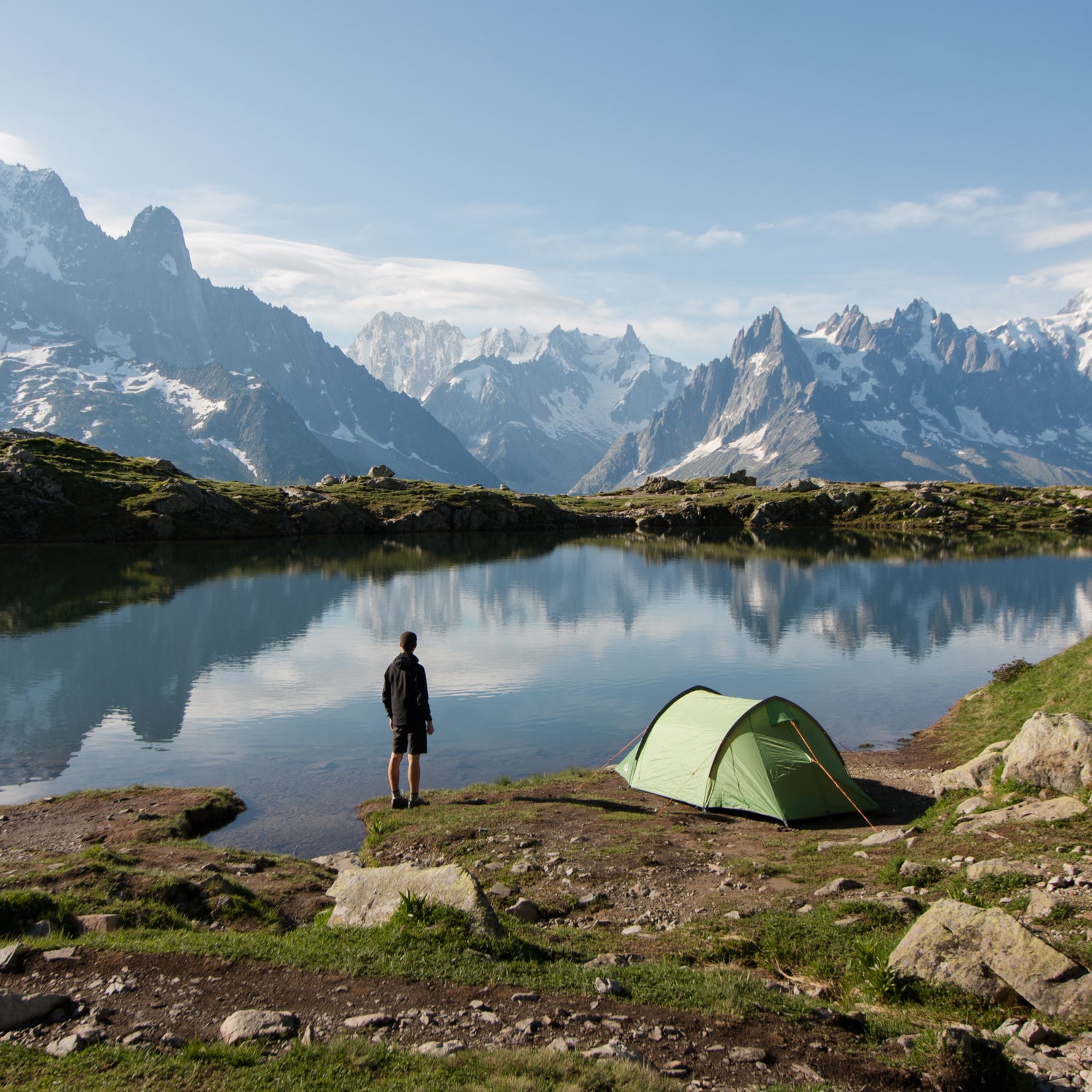
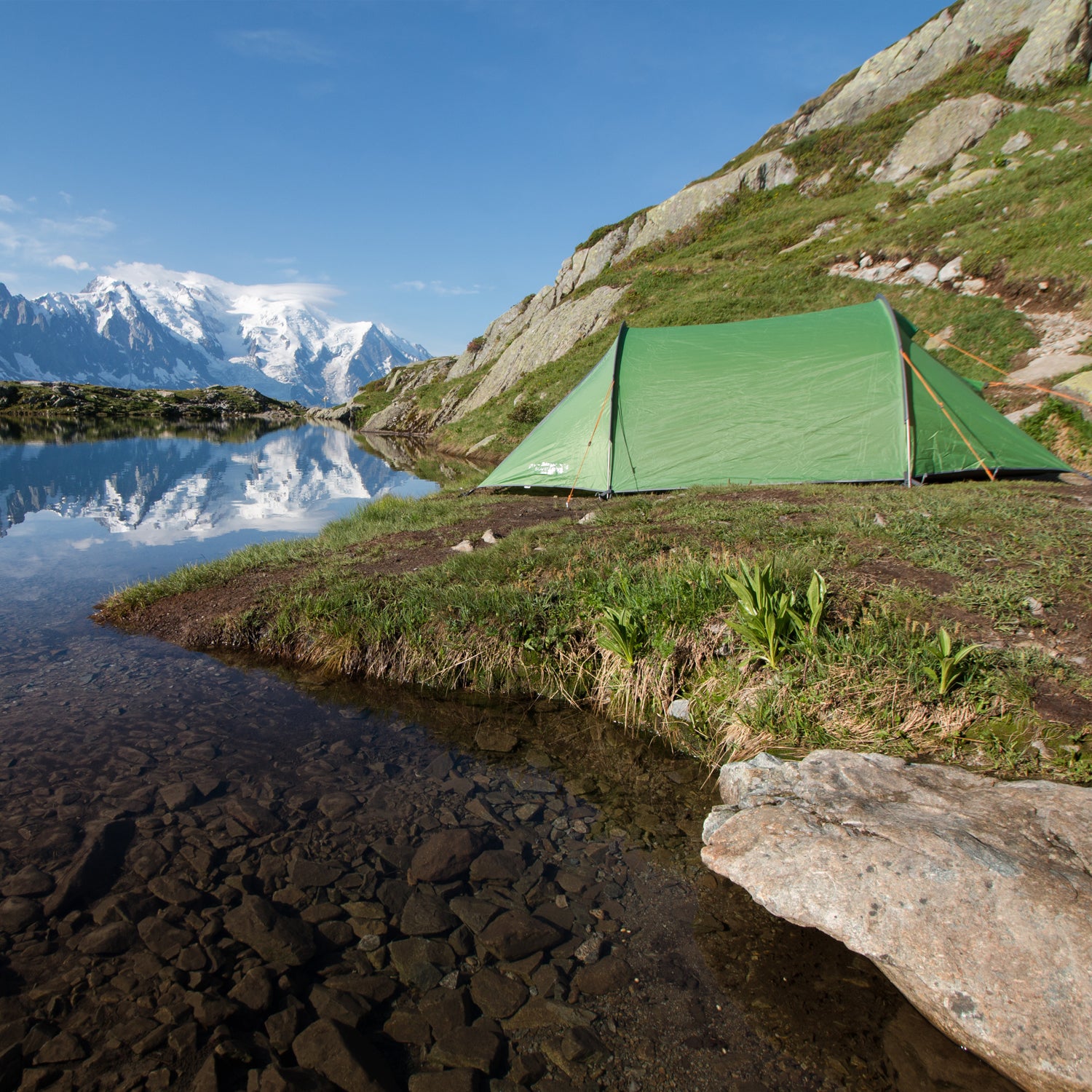
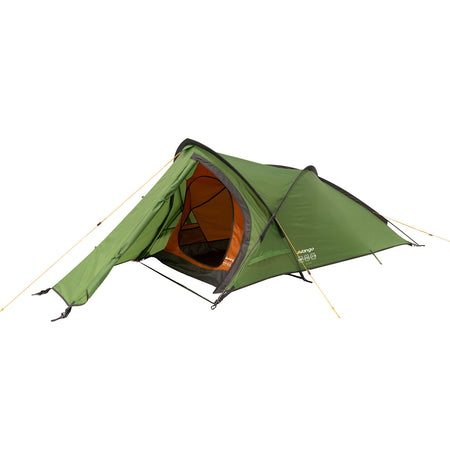
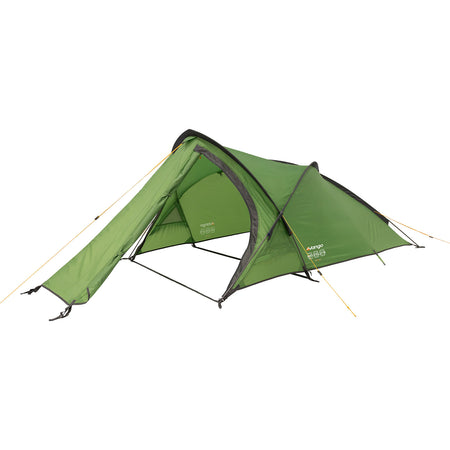
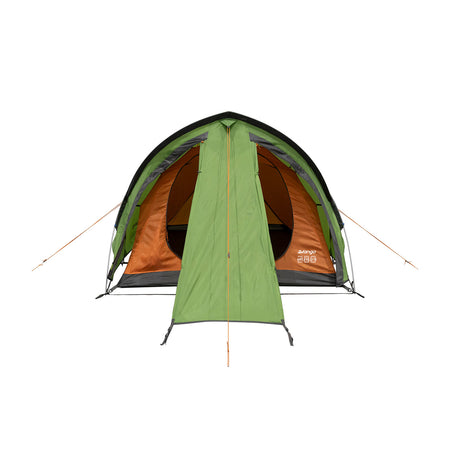
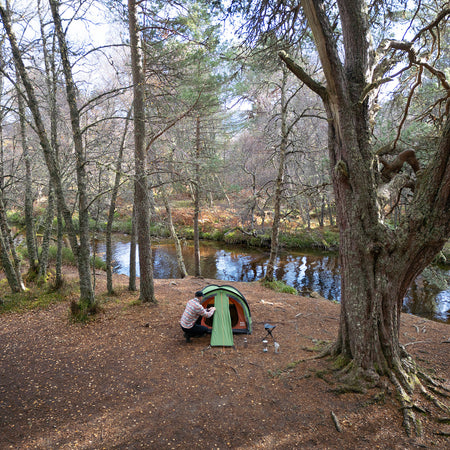
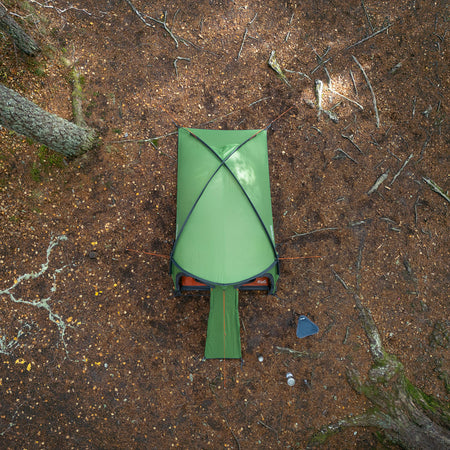
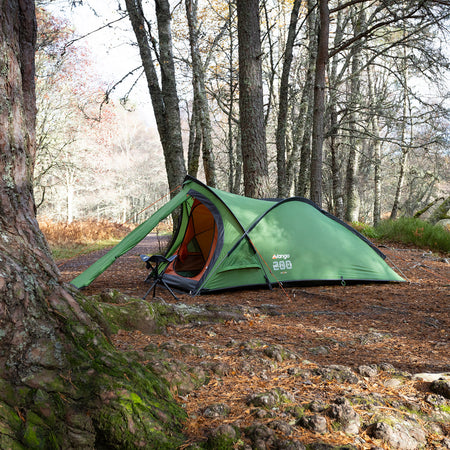
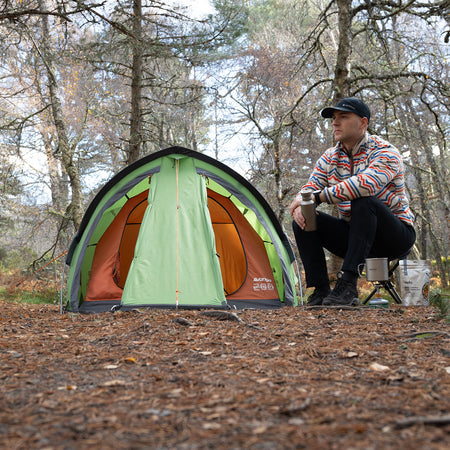
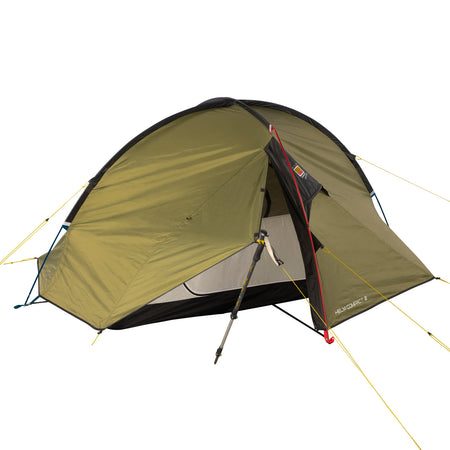
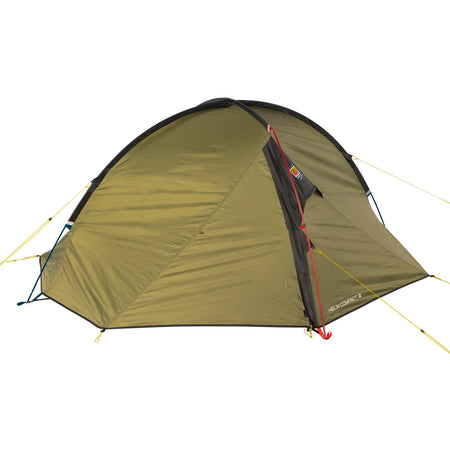
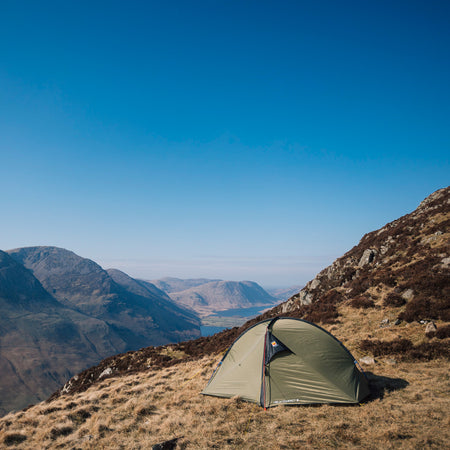
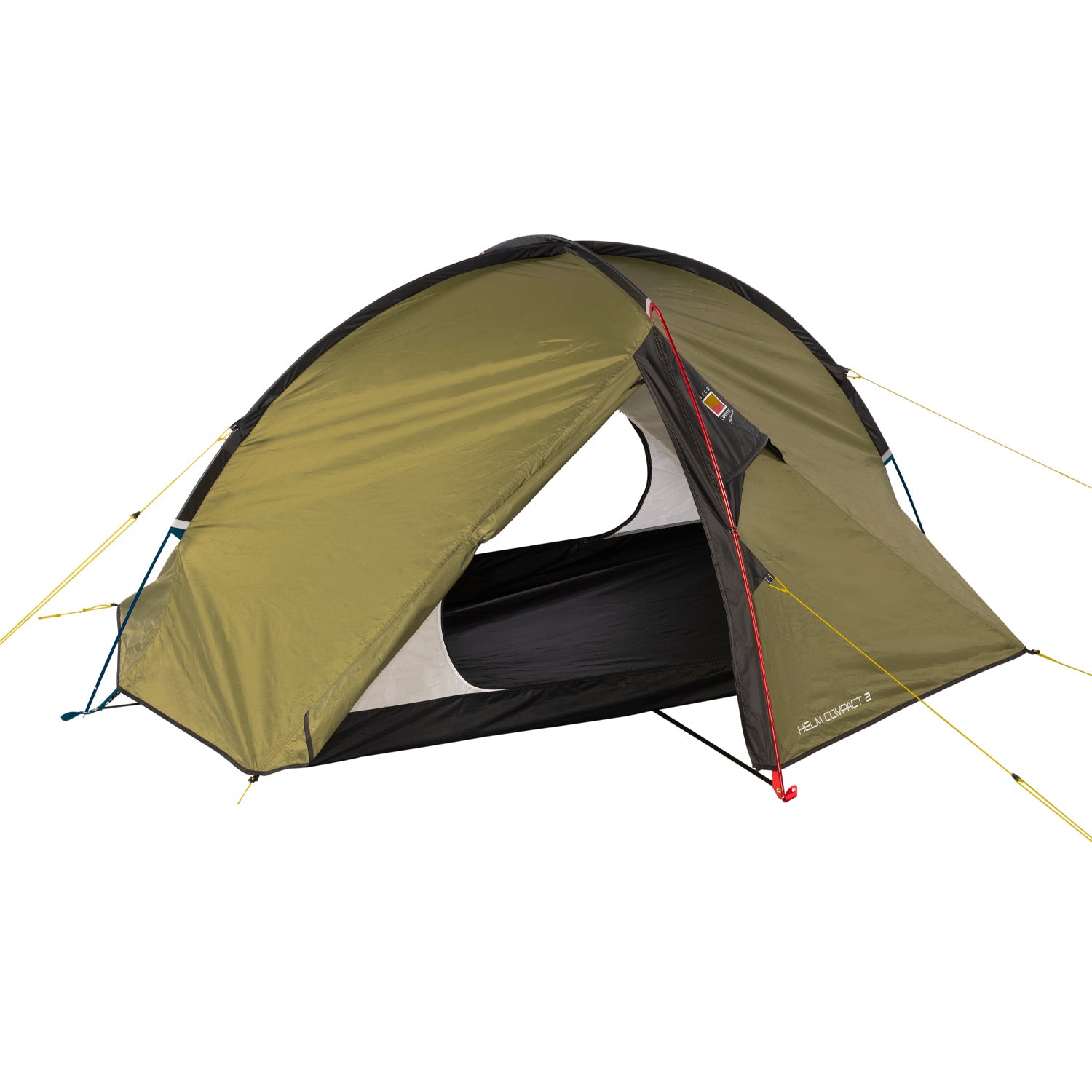
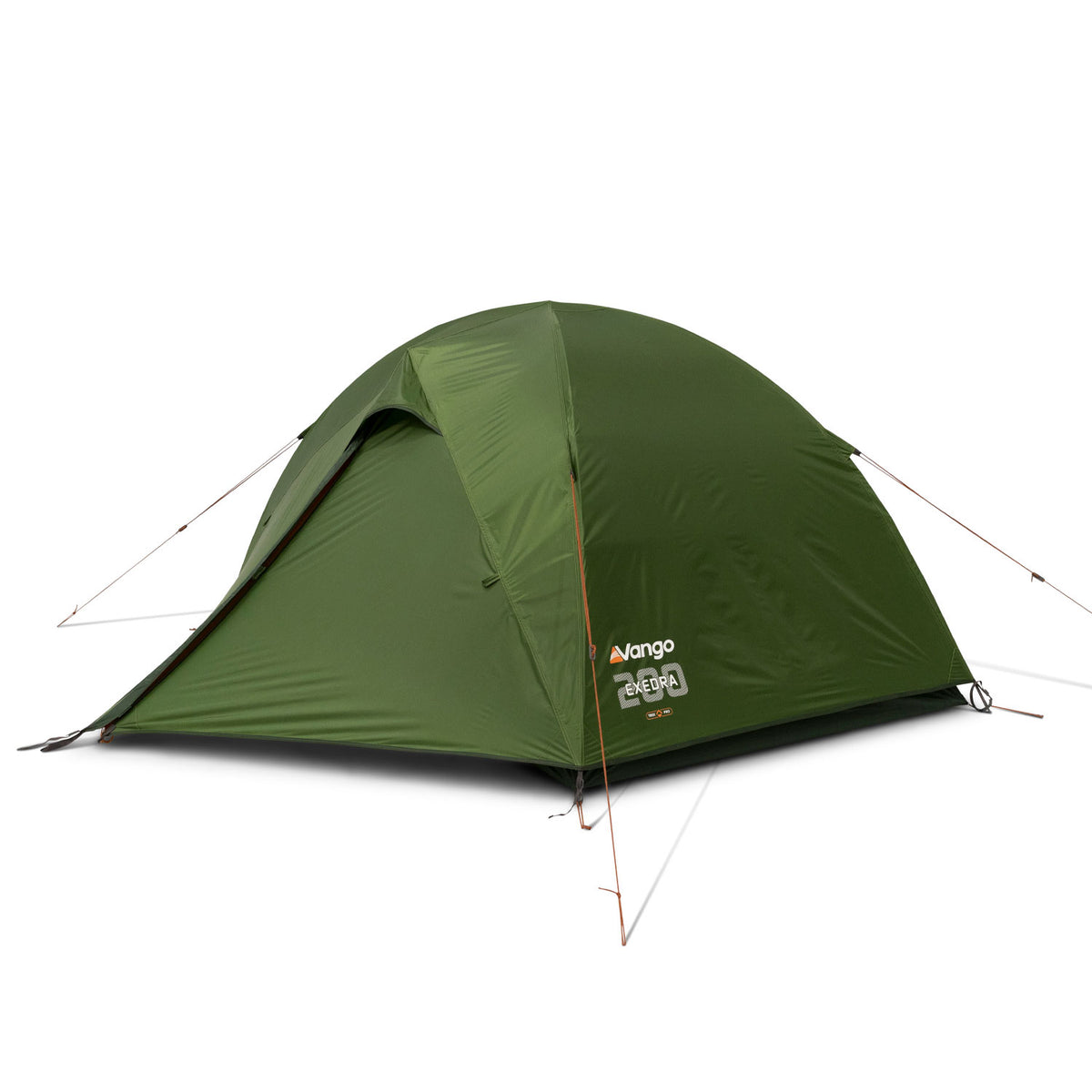
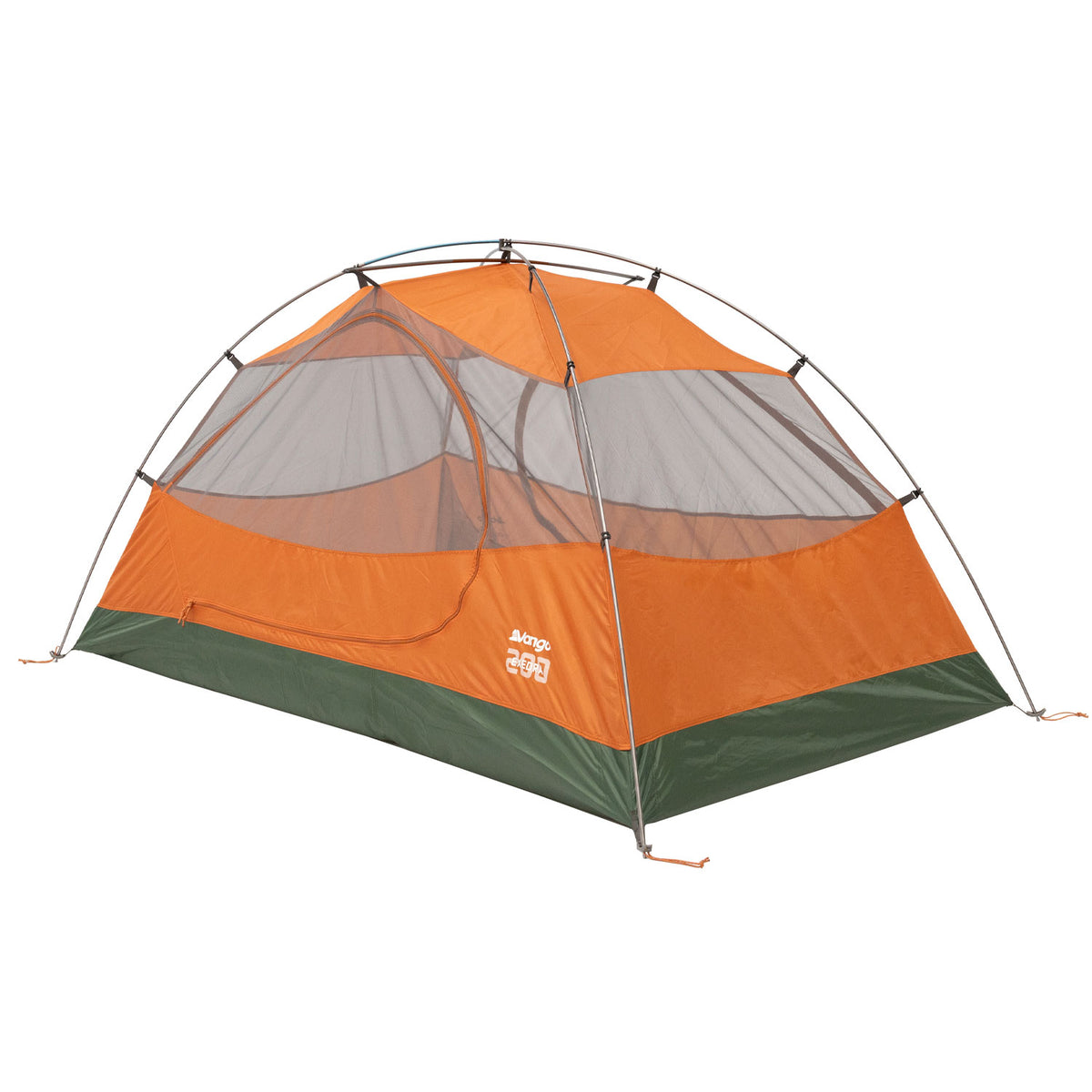
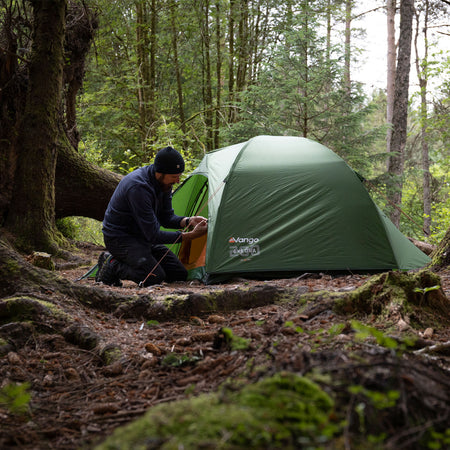
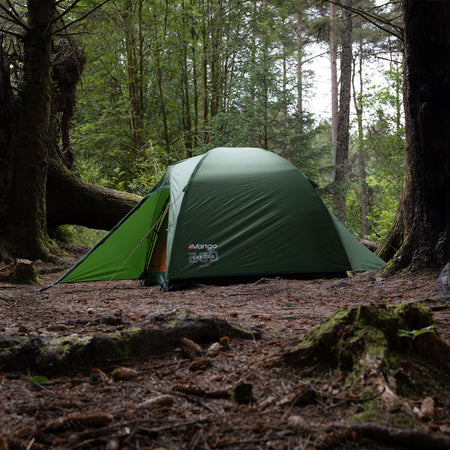
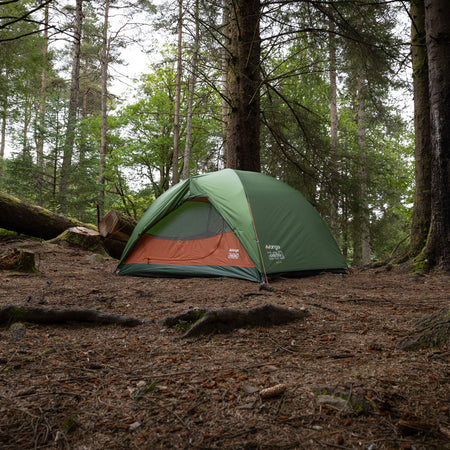
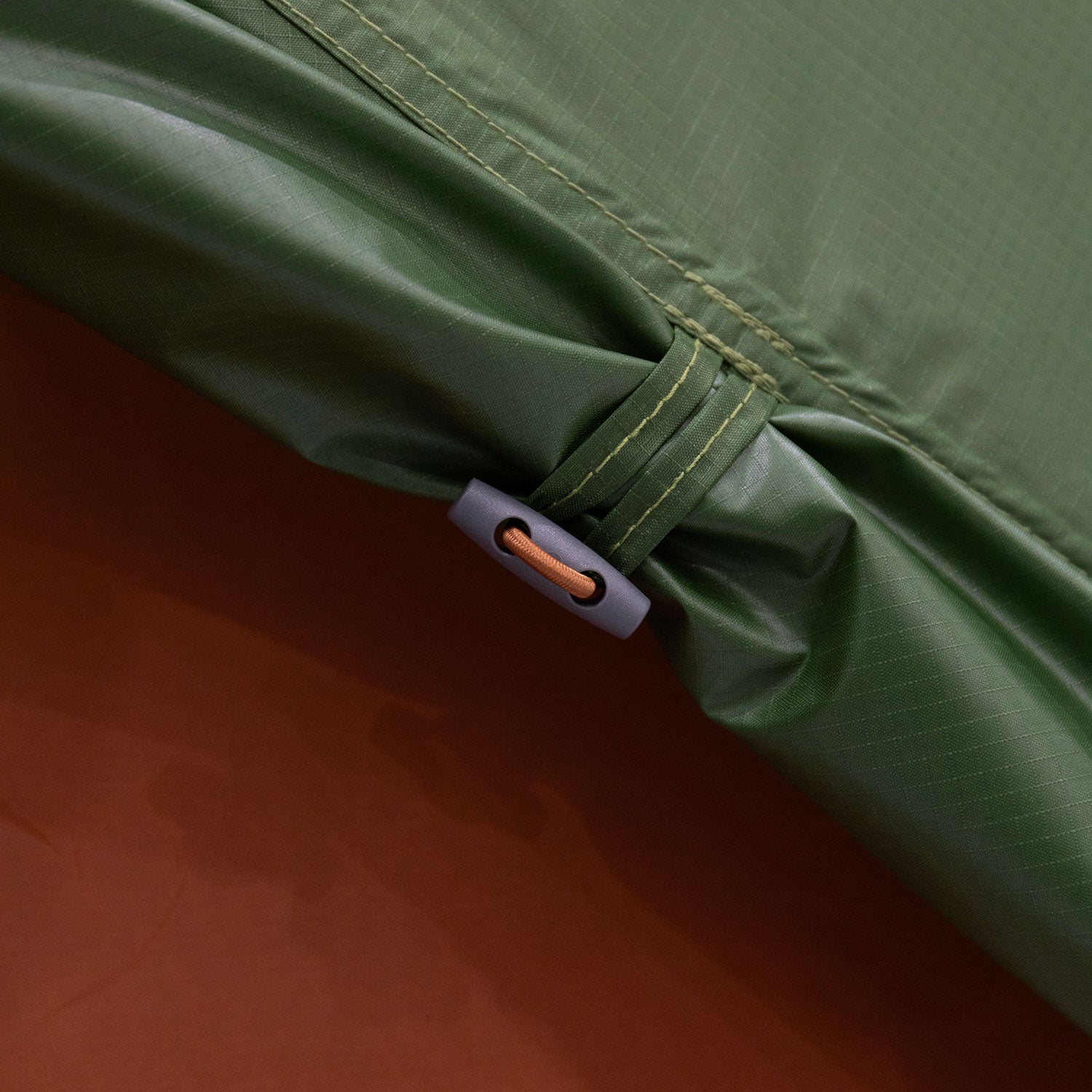
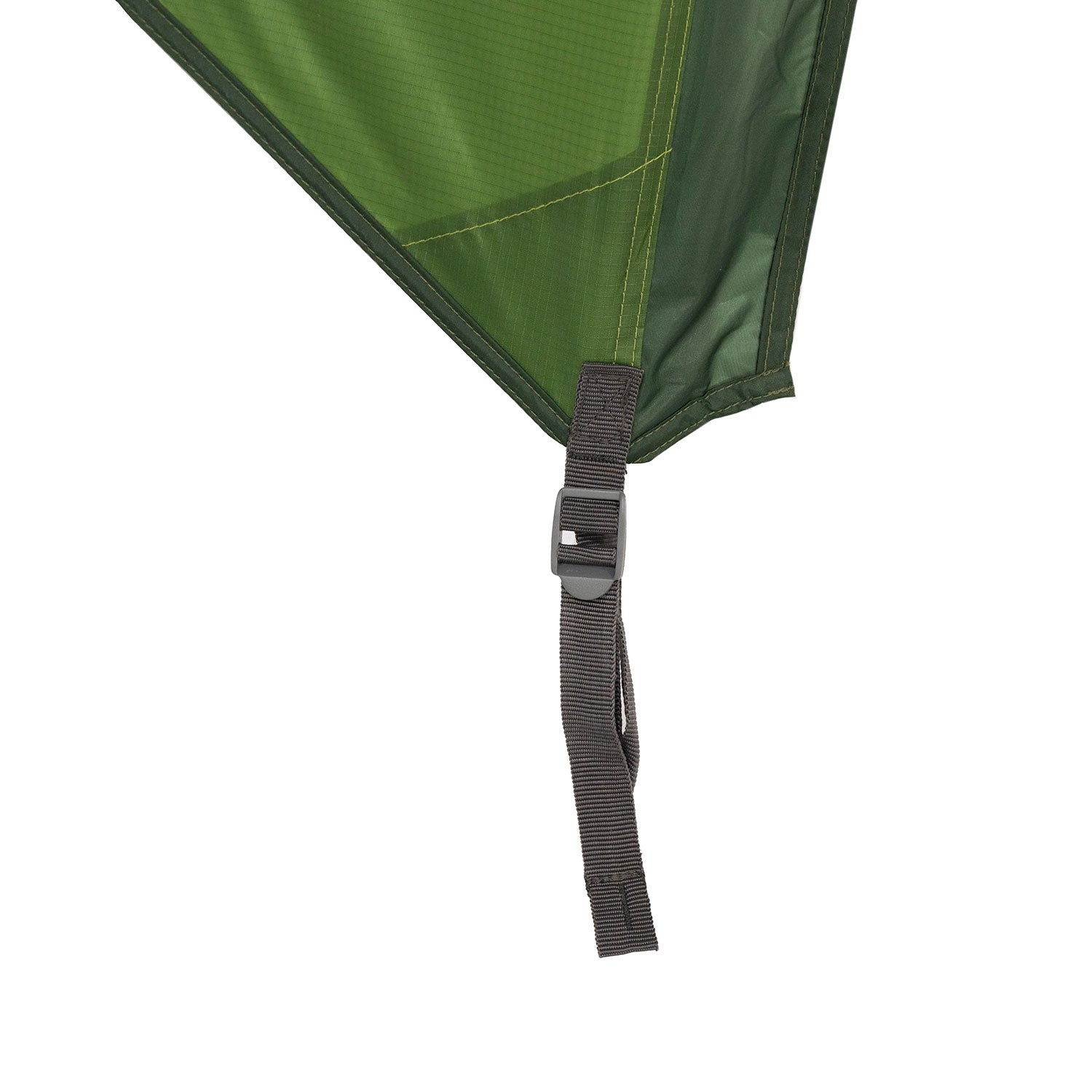
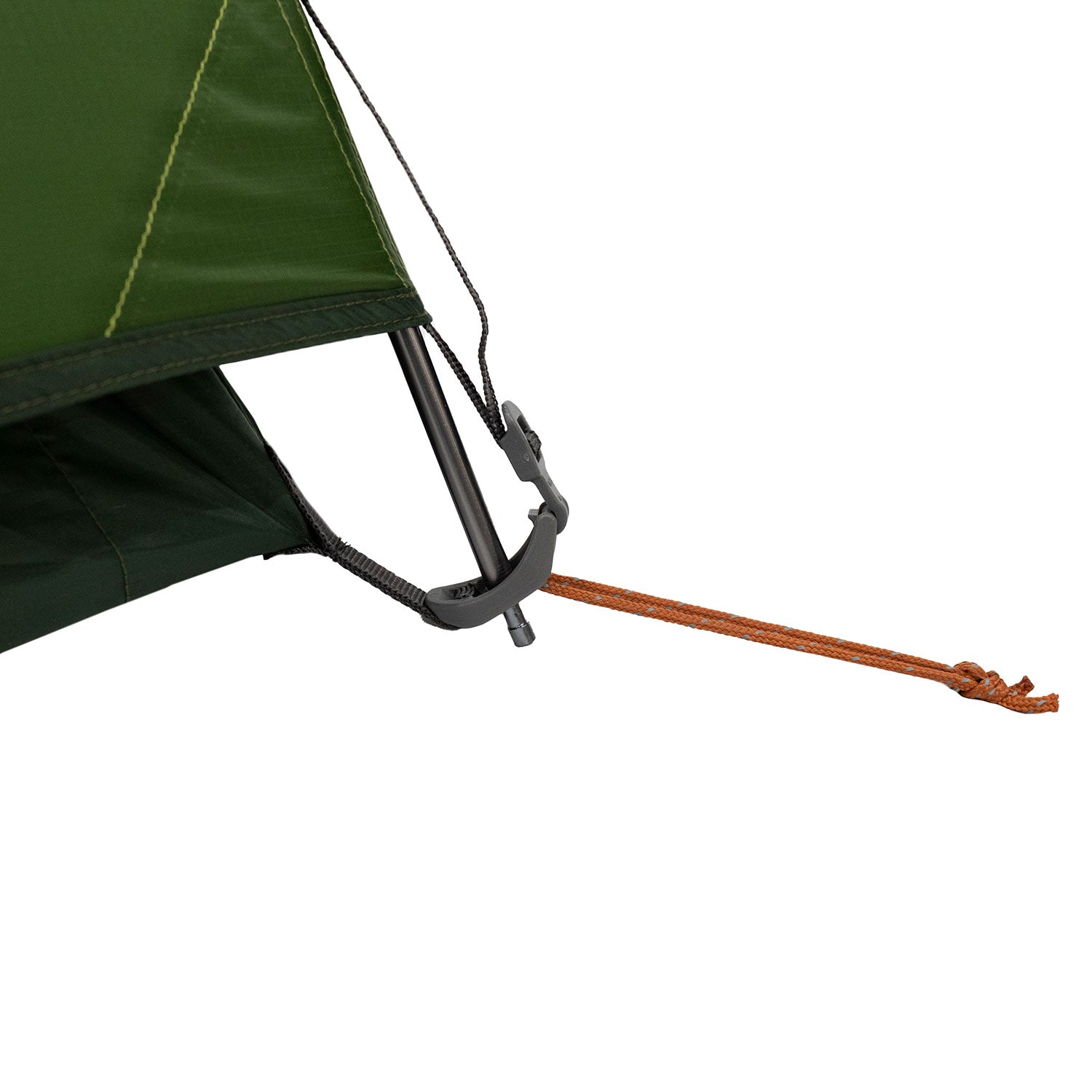
Choosing the right tent for backpacking, especially if you’re planning your first expedition can be difficult given the huge variety of tents available and the range of prices. Every year, we test backpacking tents in real UK conditions to identify the models that offer the best combination of weather protection, usable space, manageable weight and value.
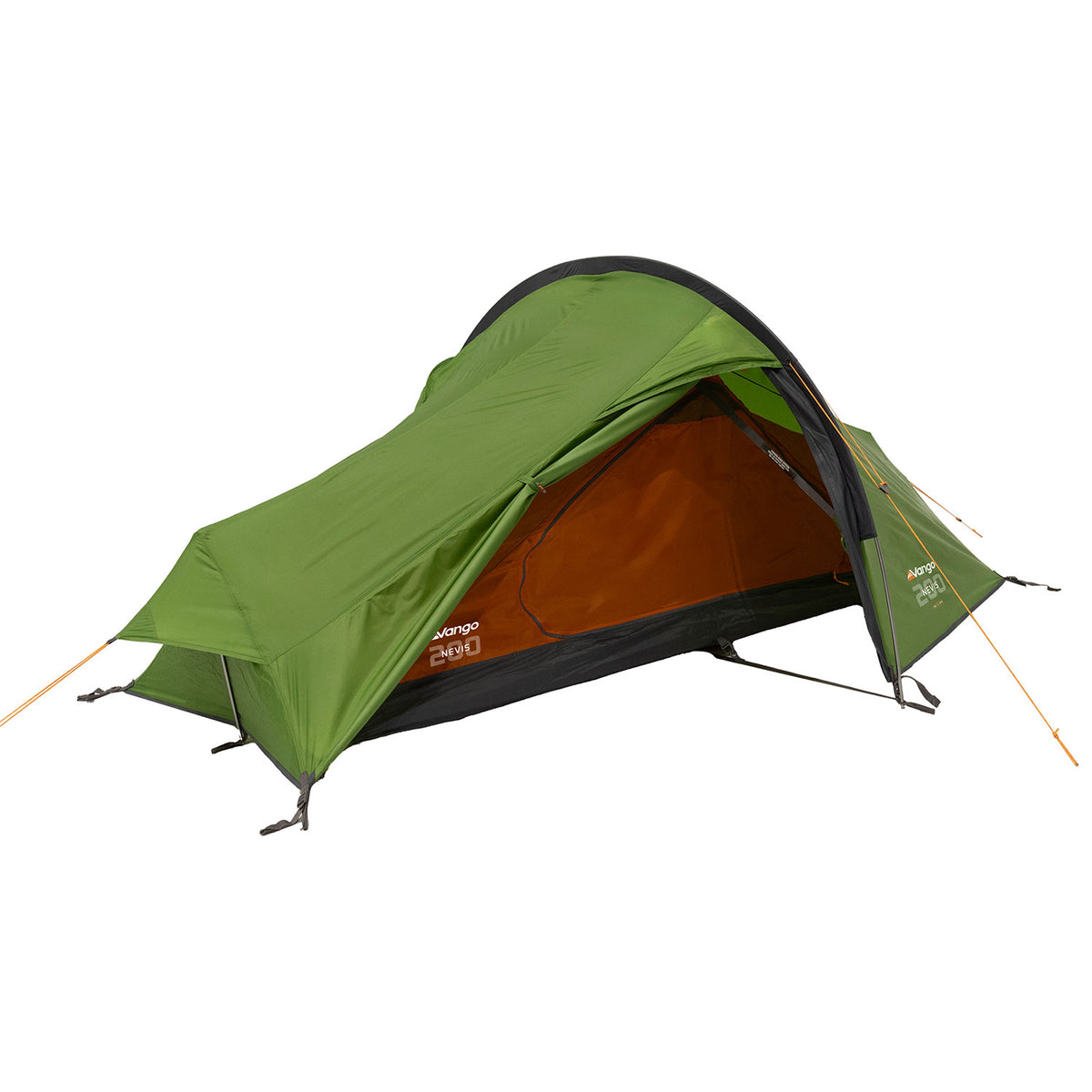
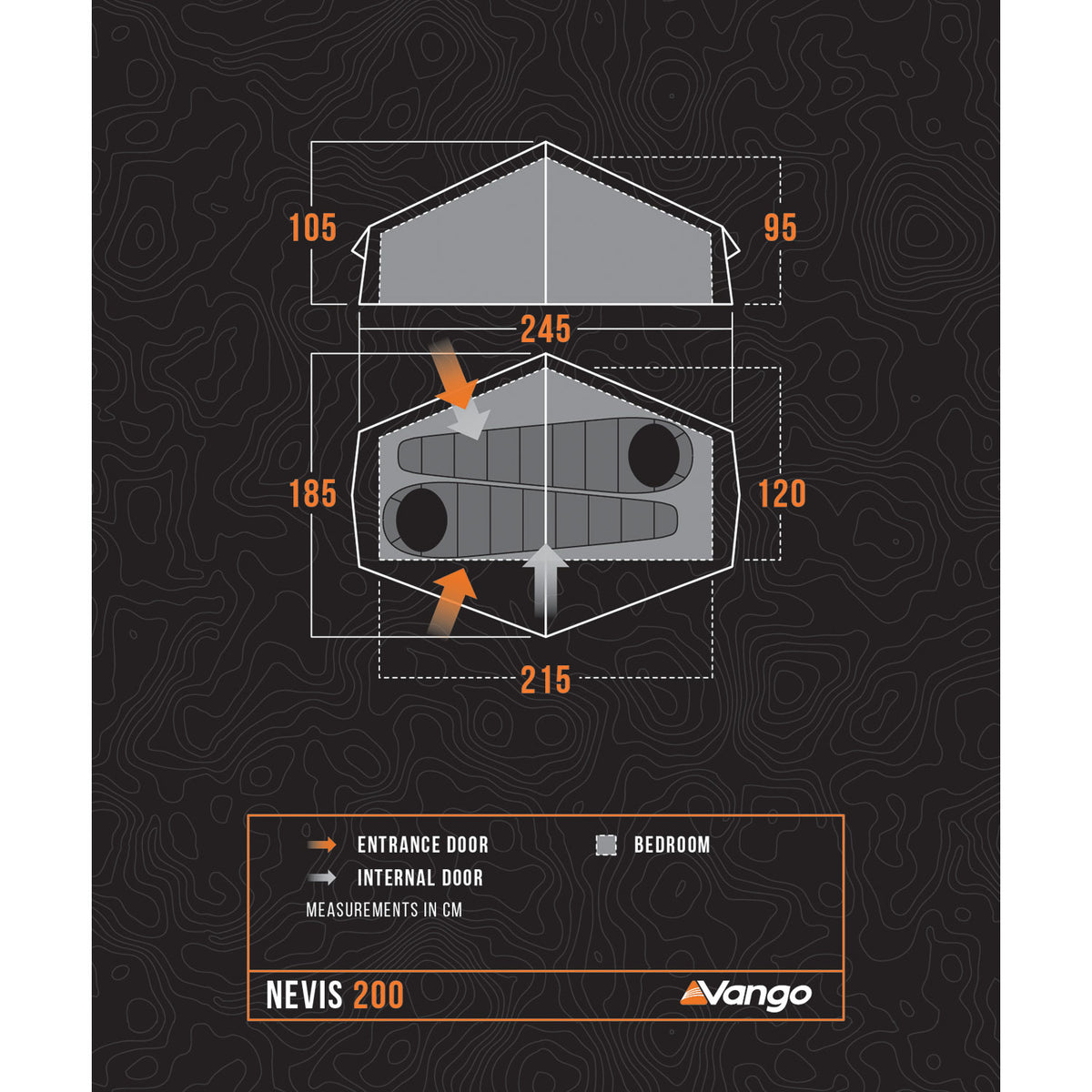
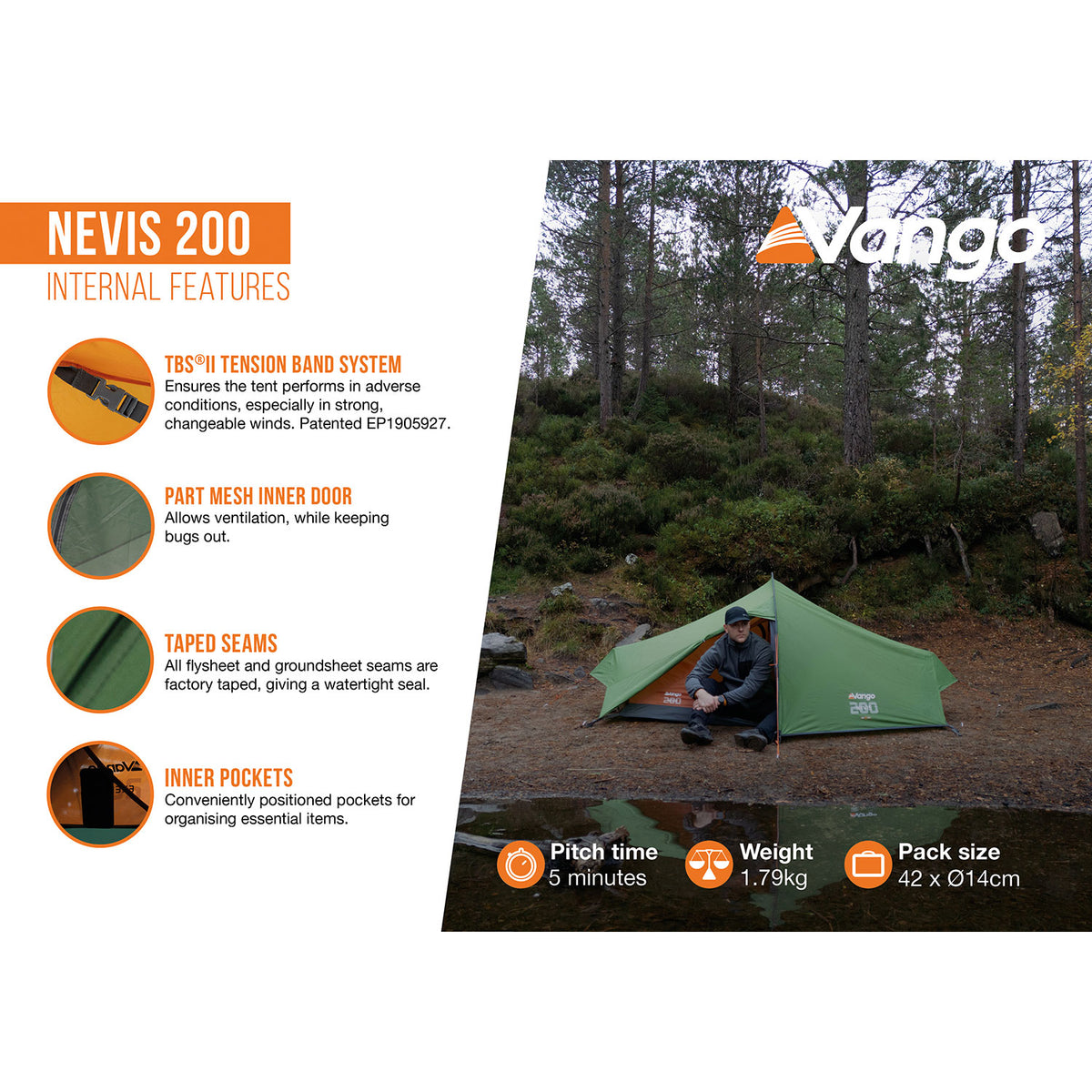
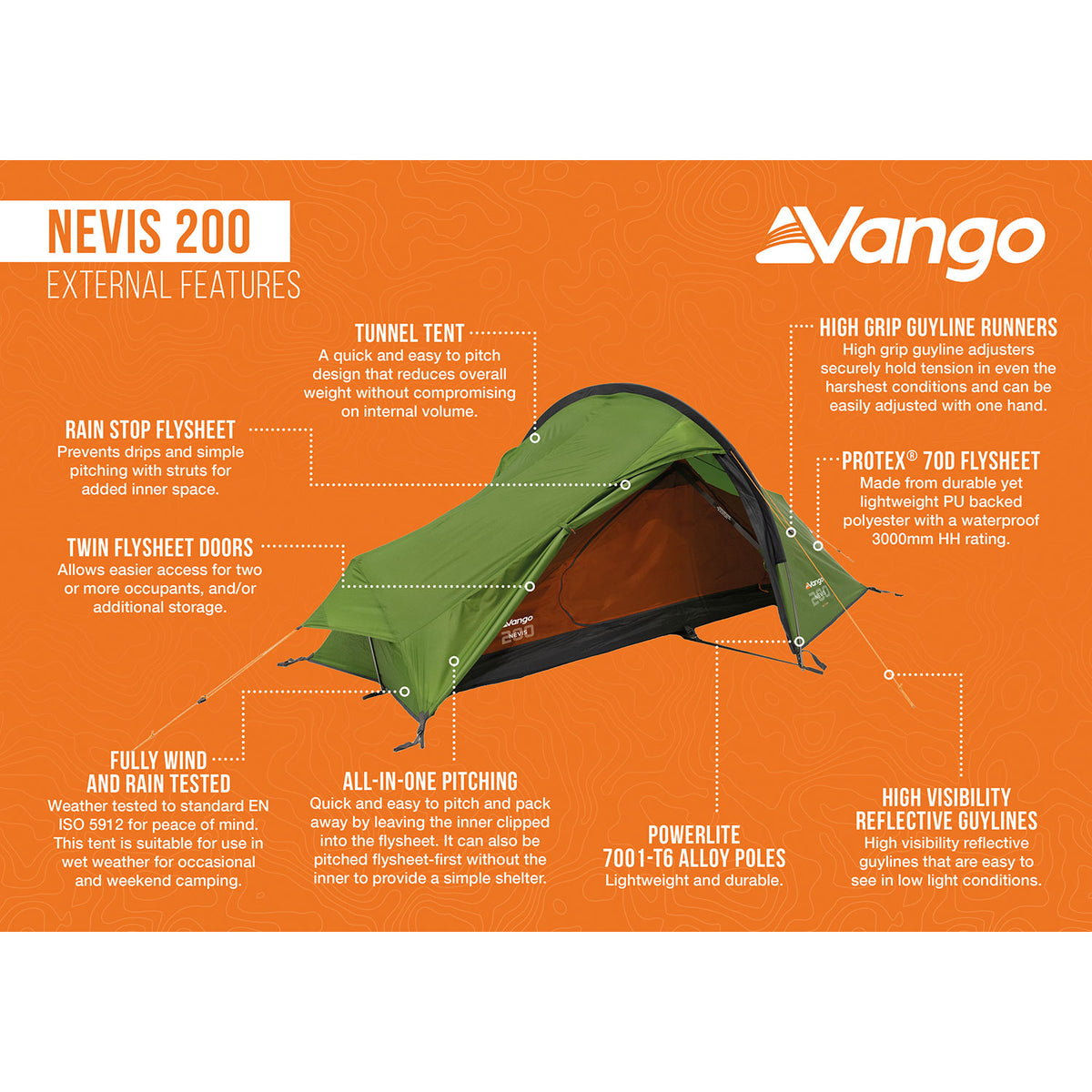
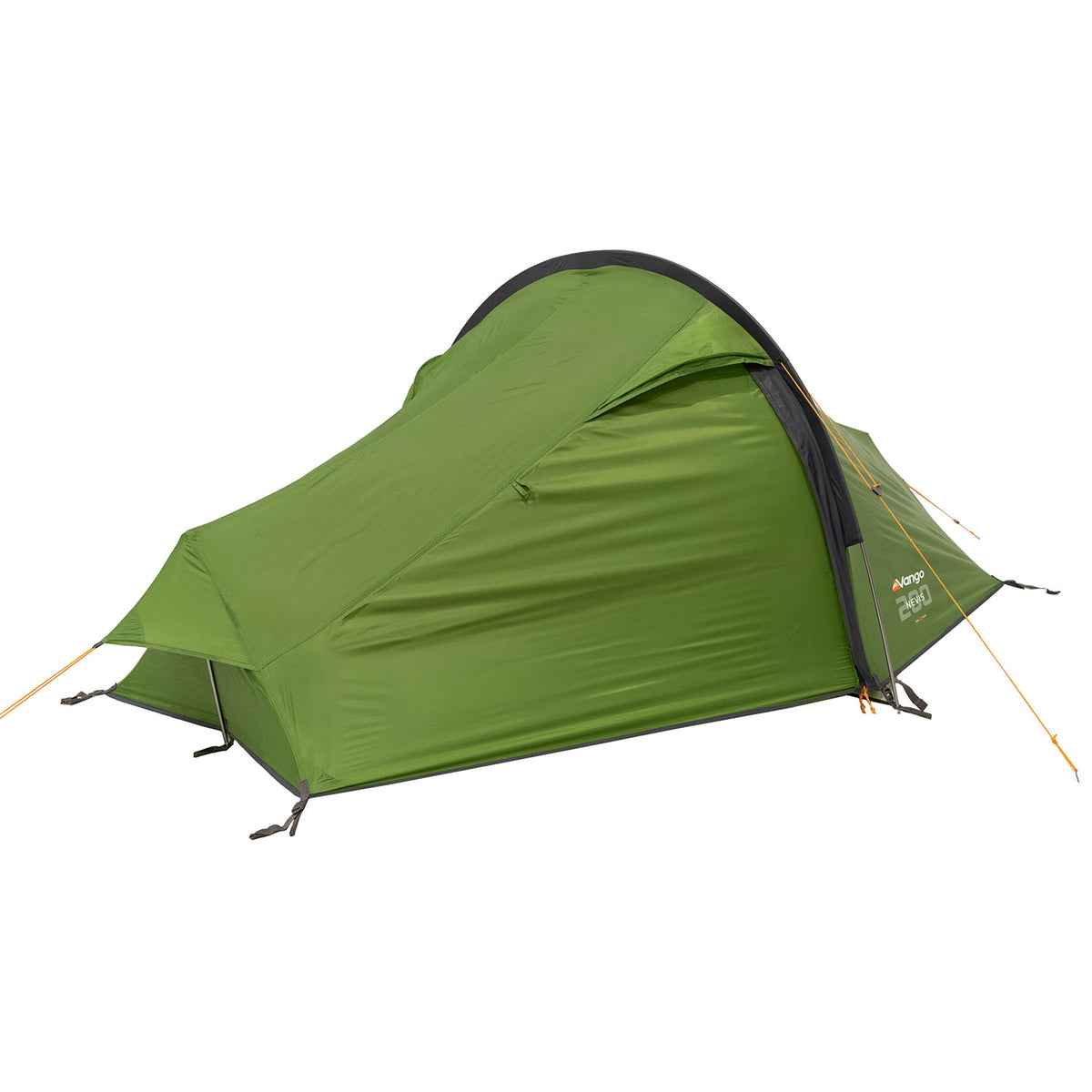
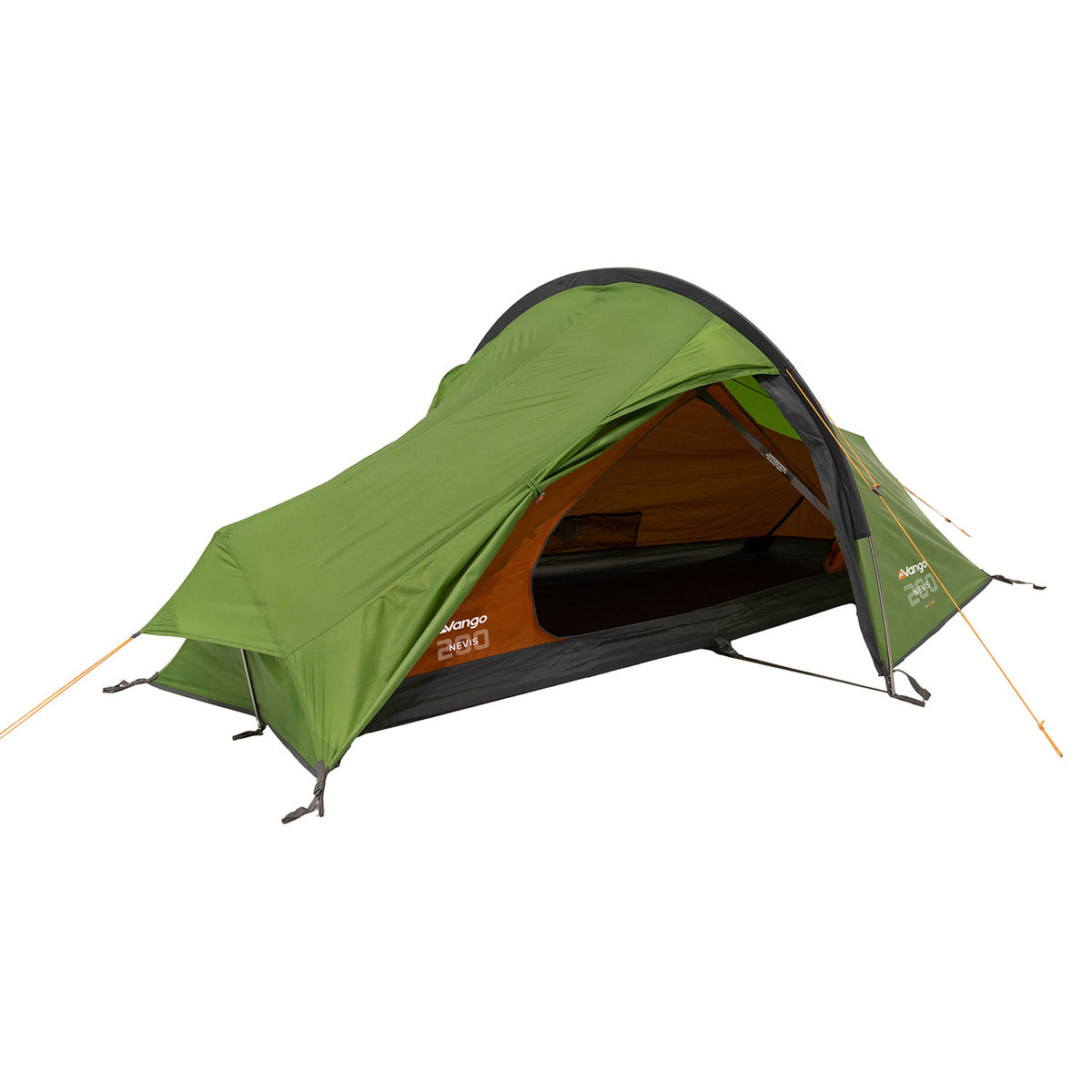
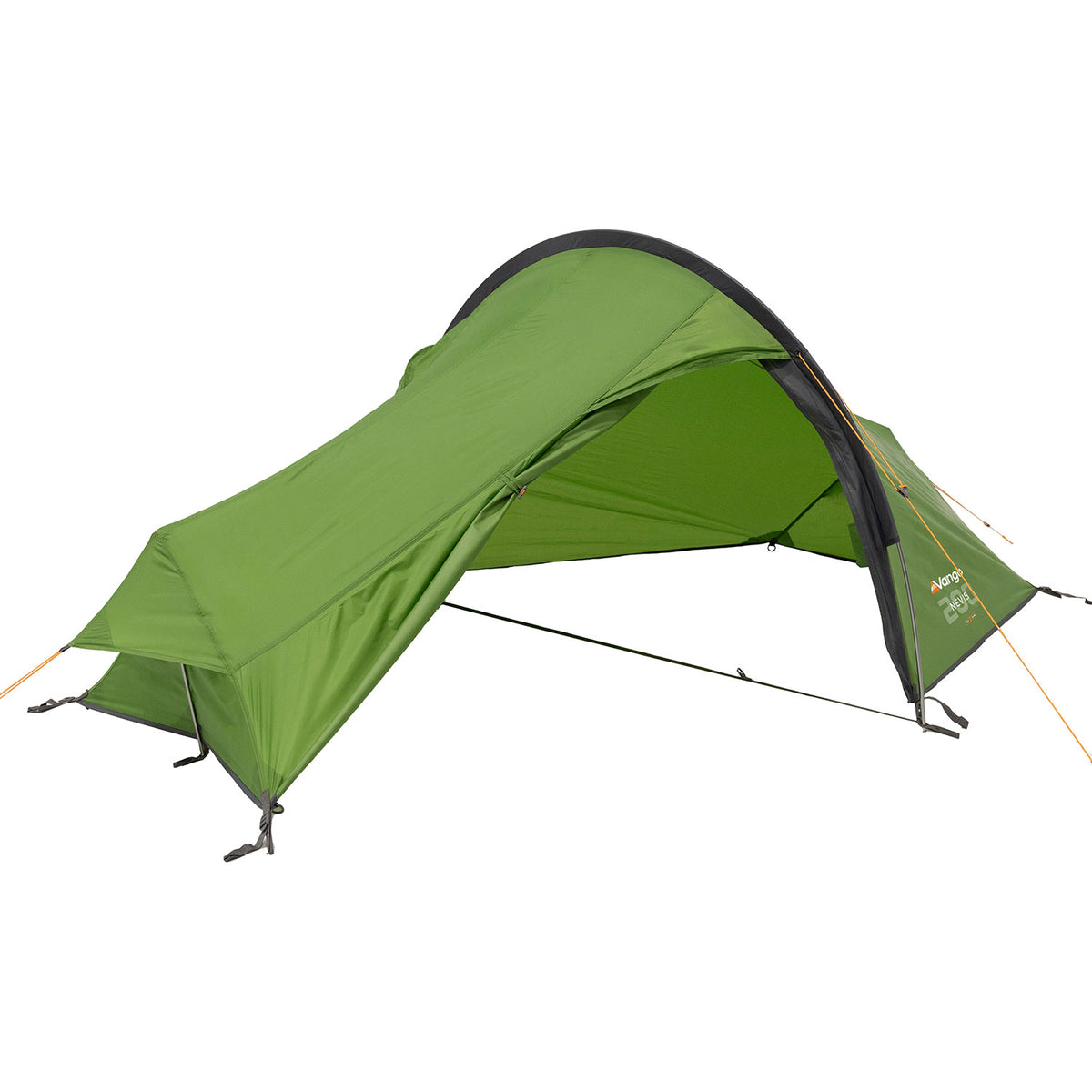
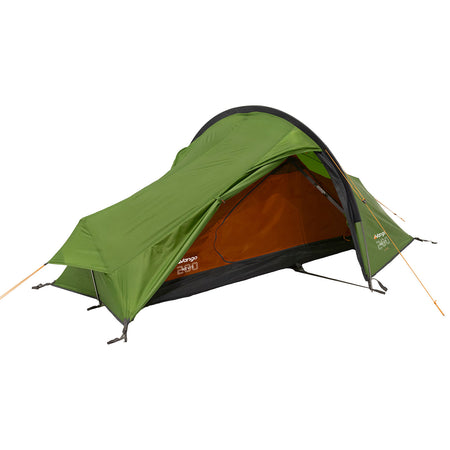
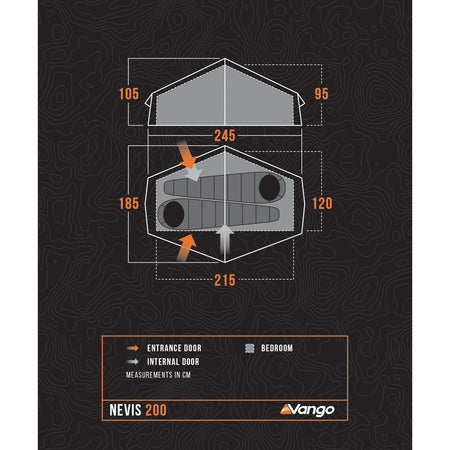
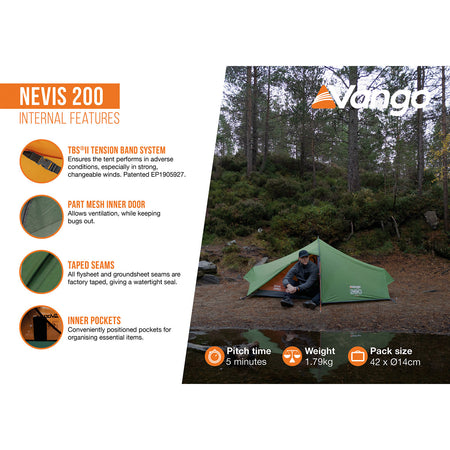
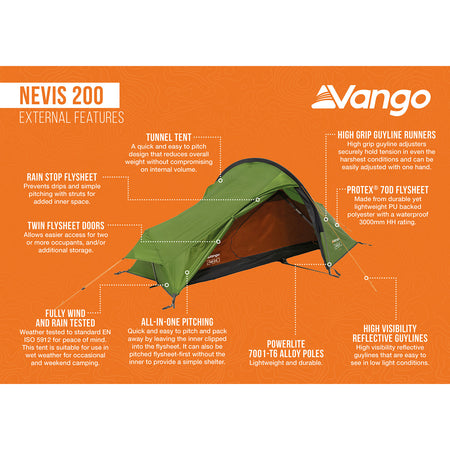
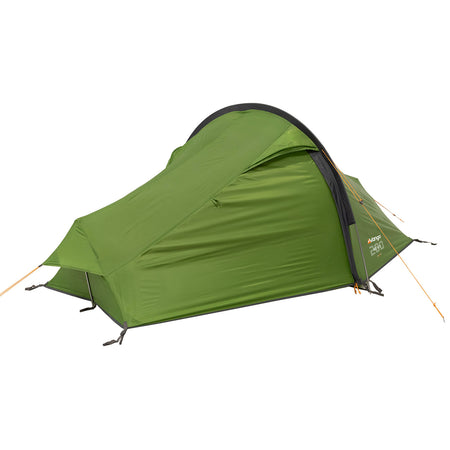
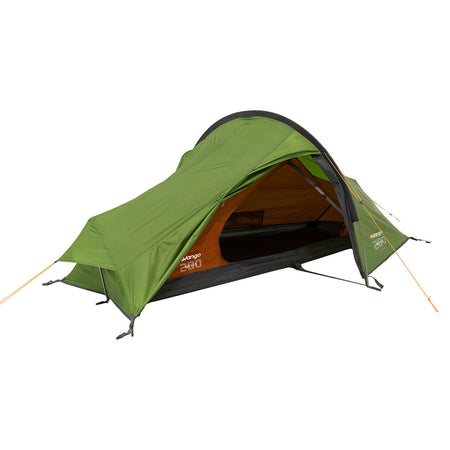
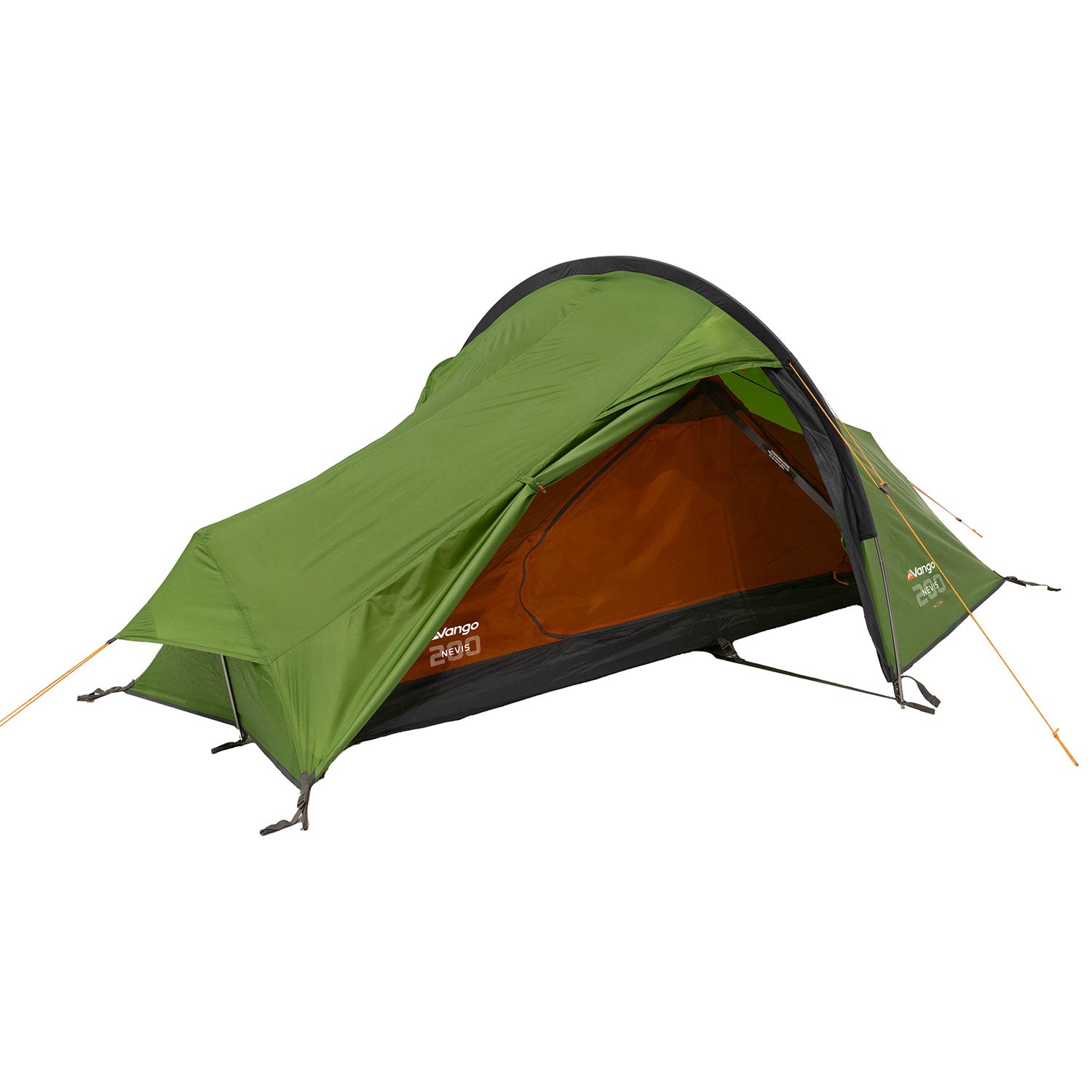
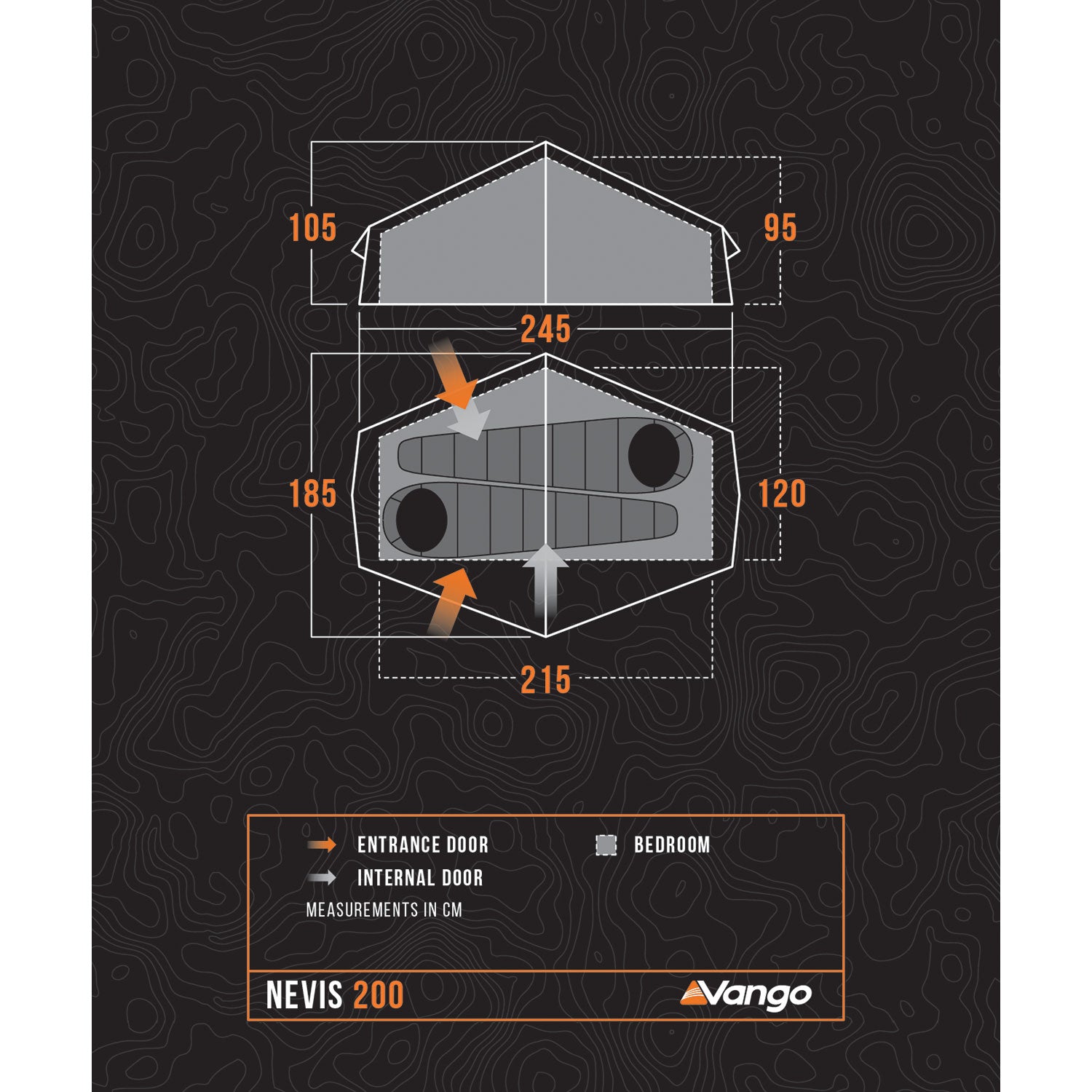
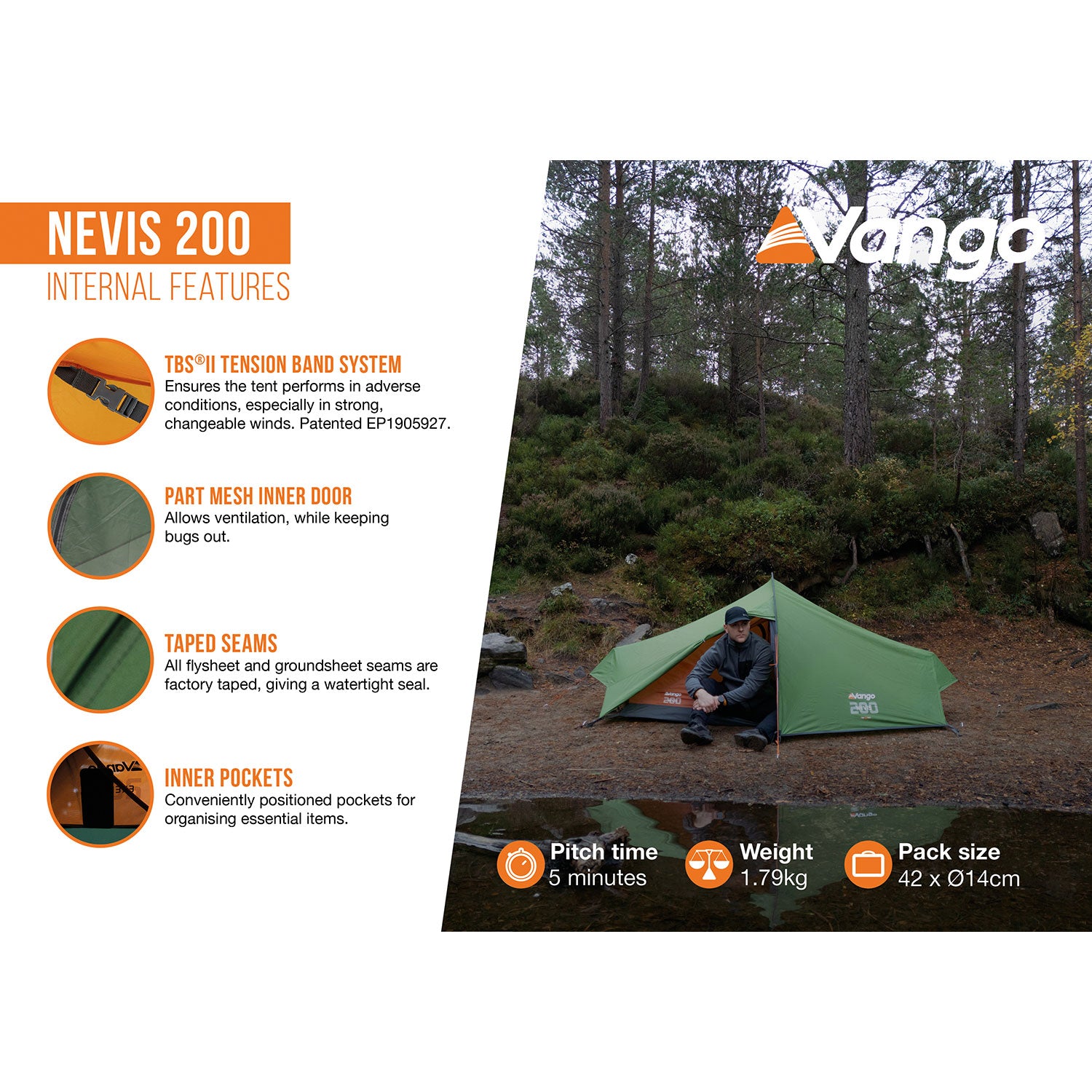
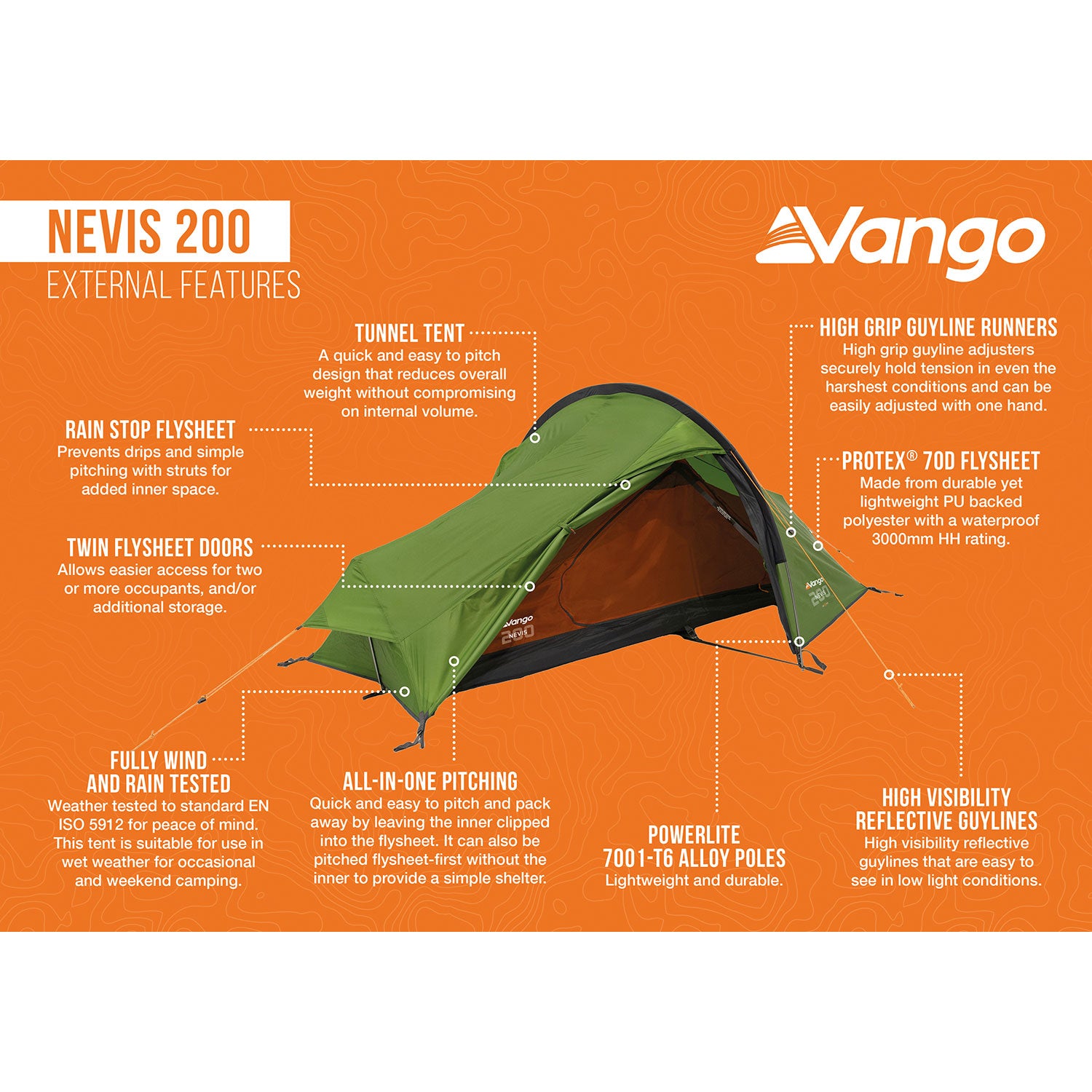
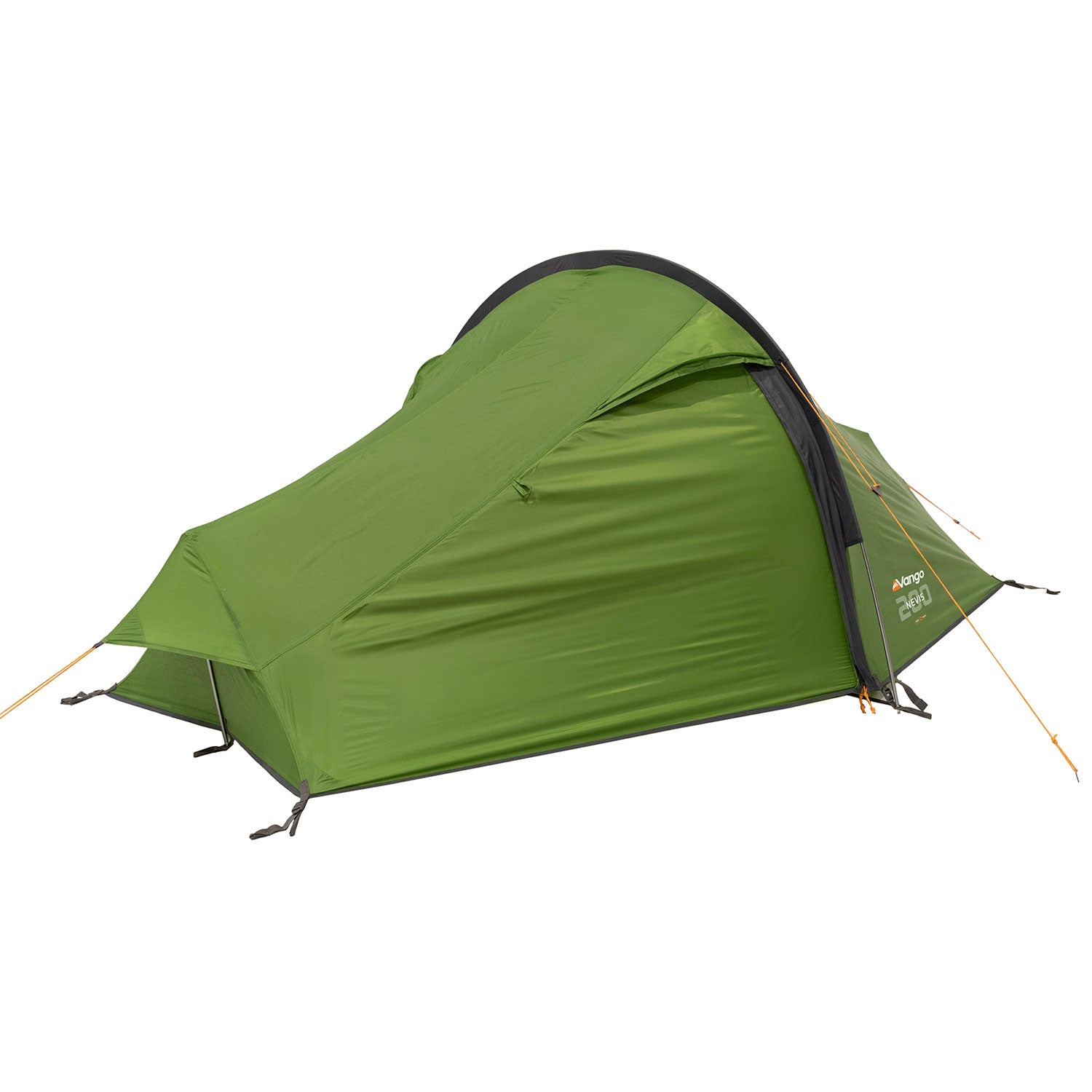
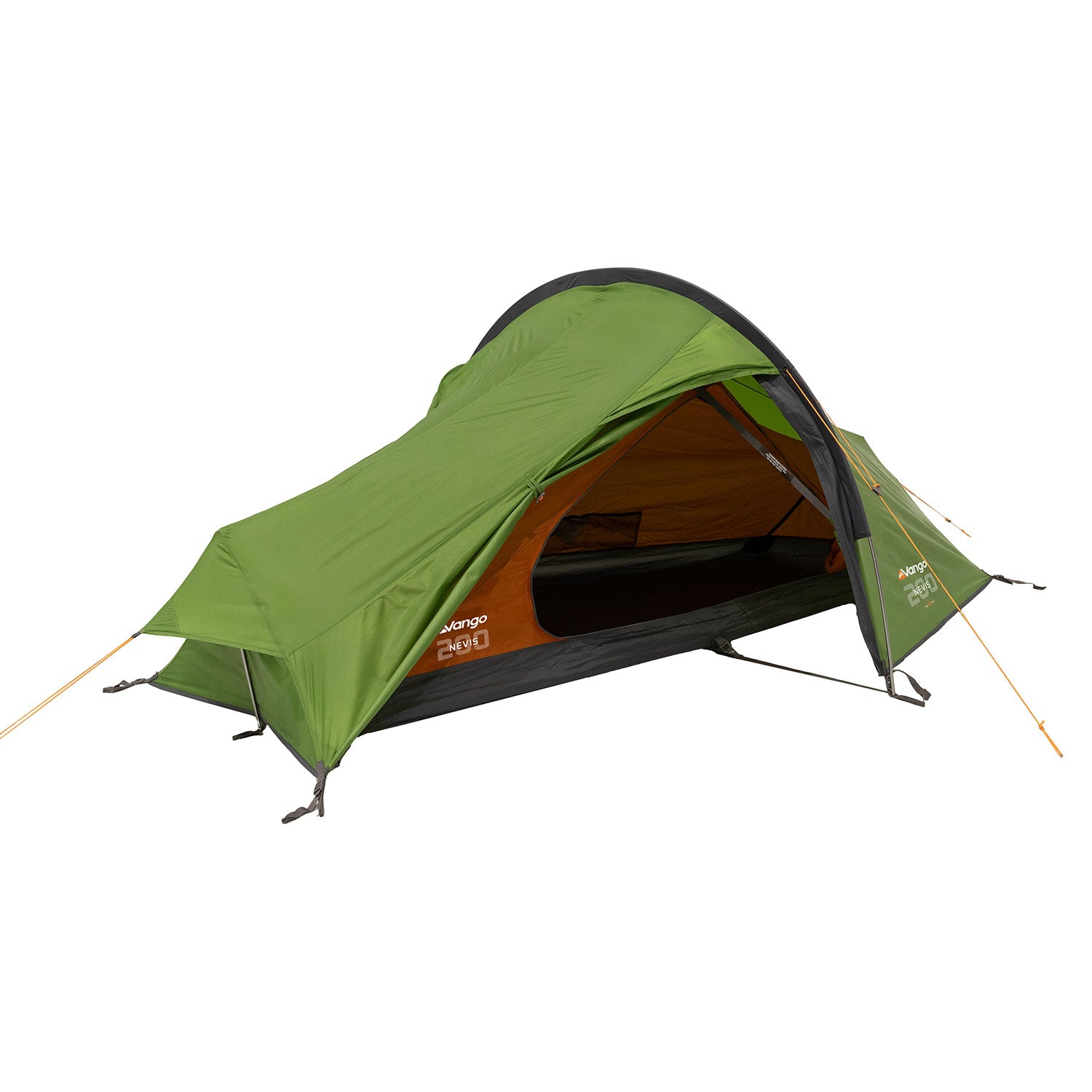
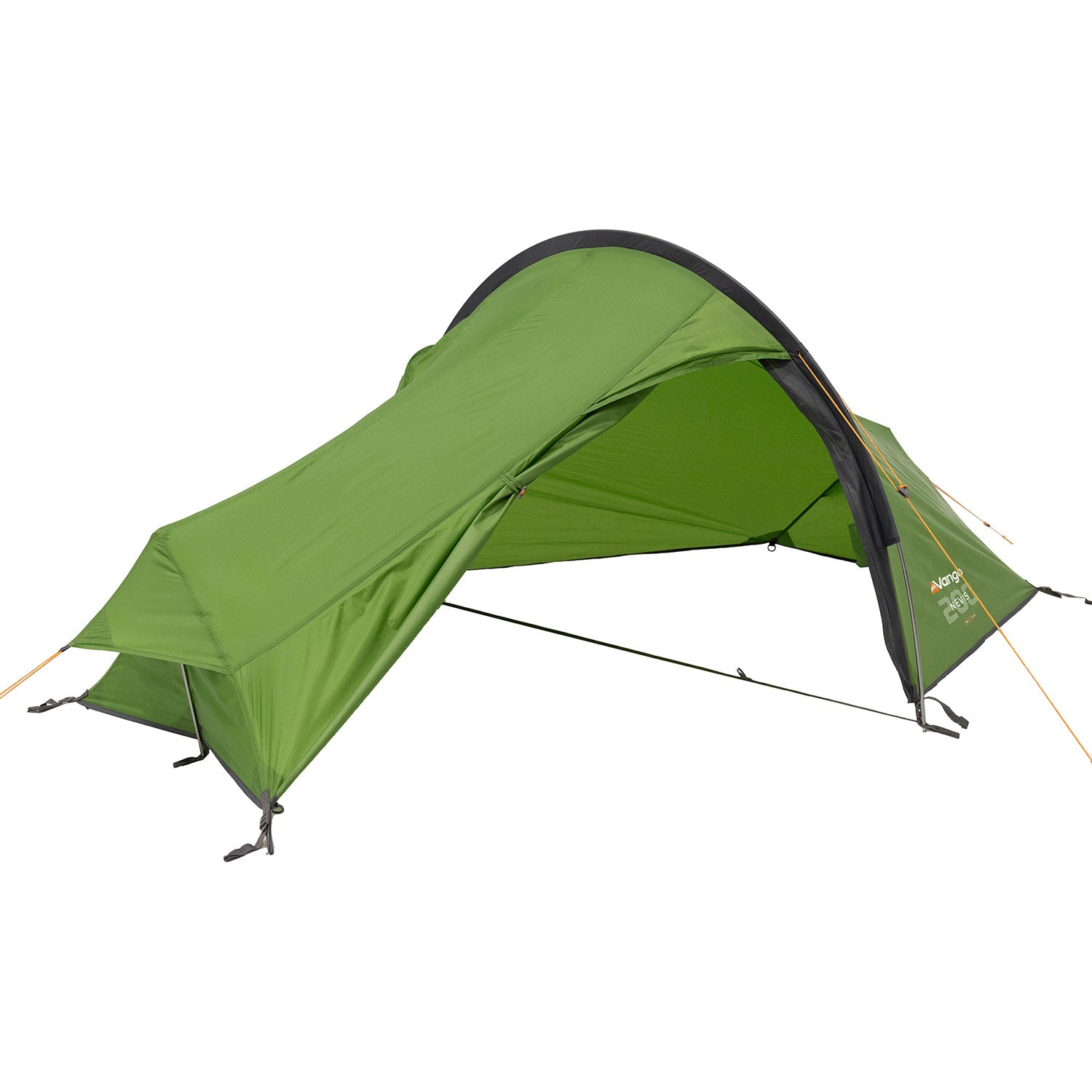
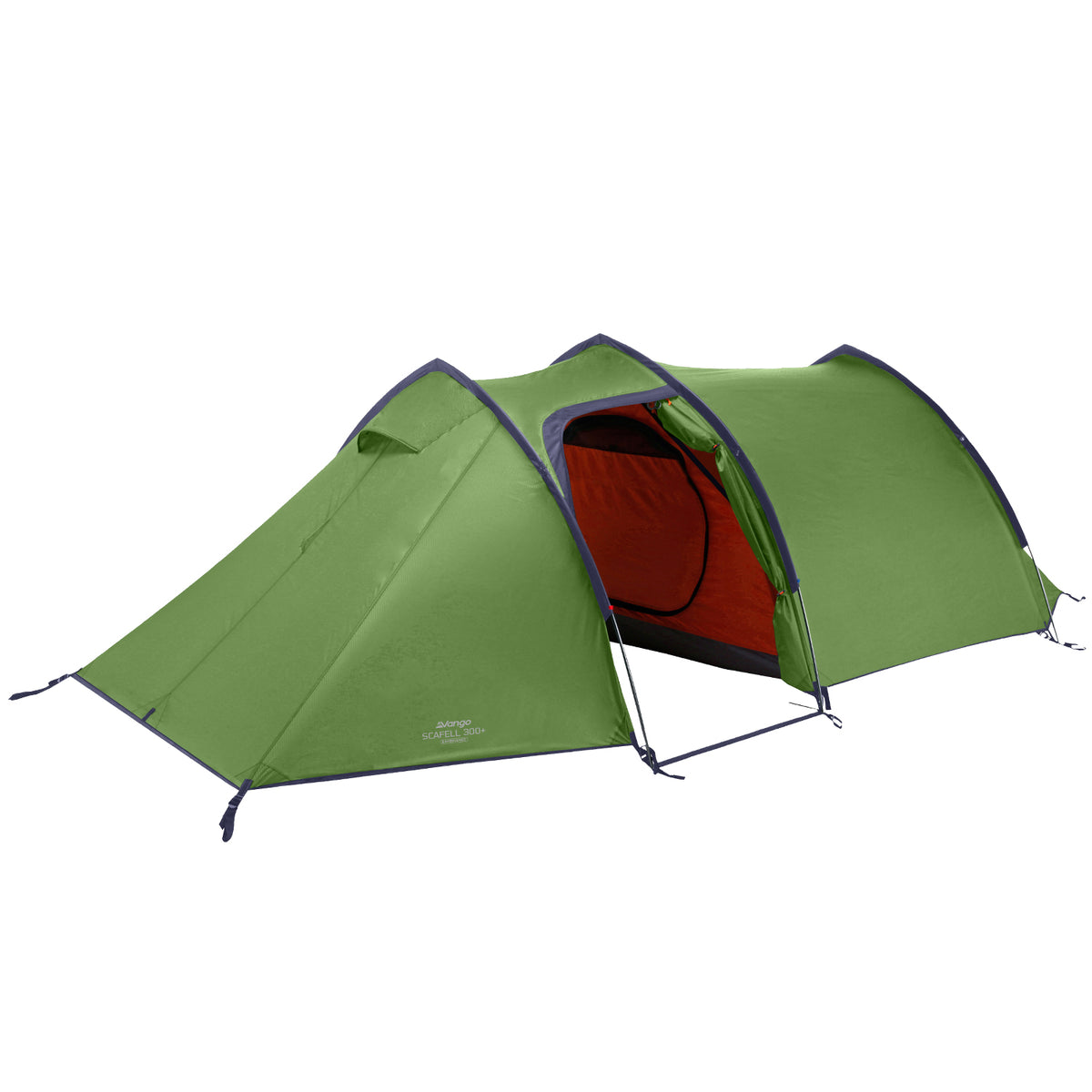
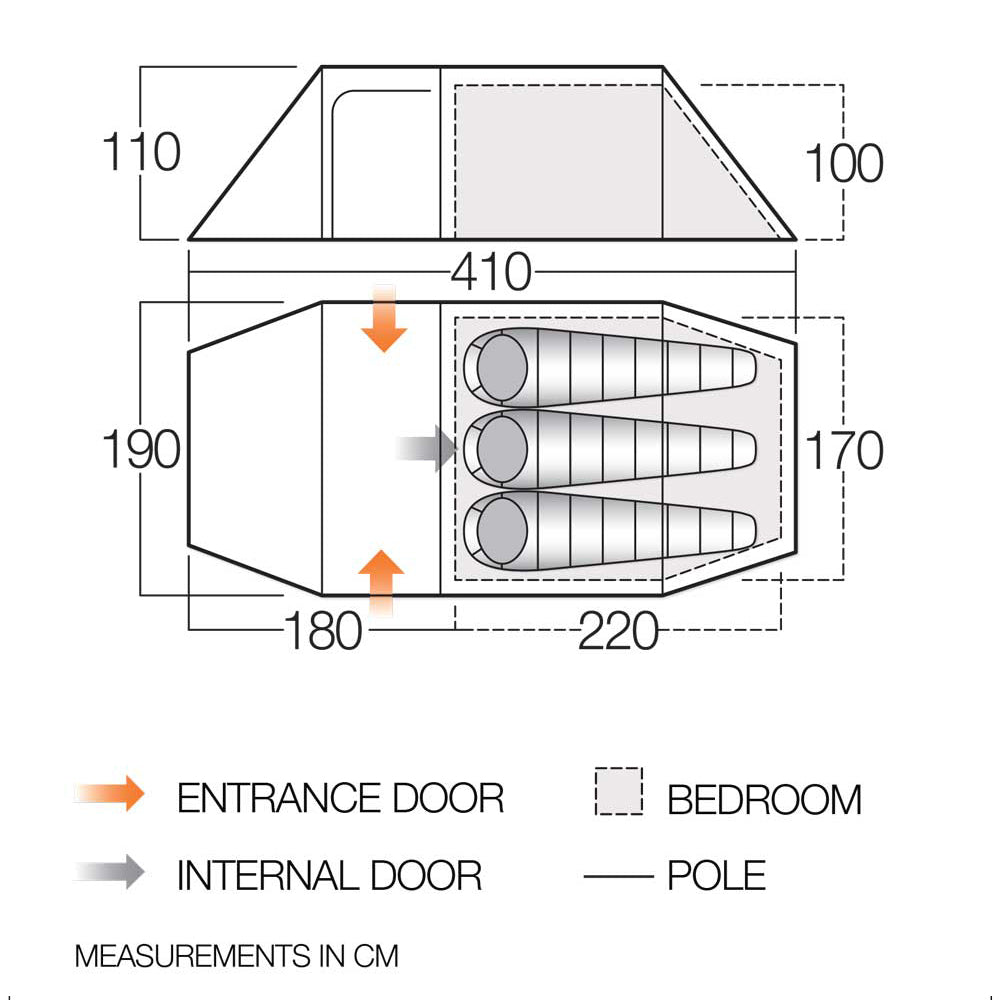
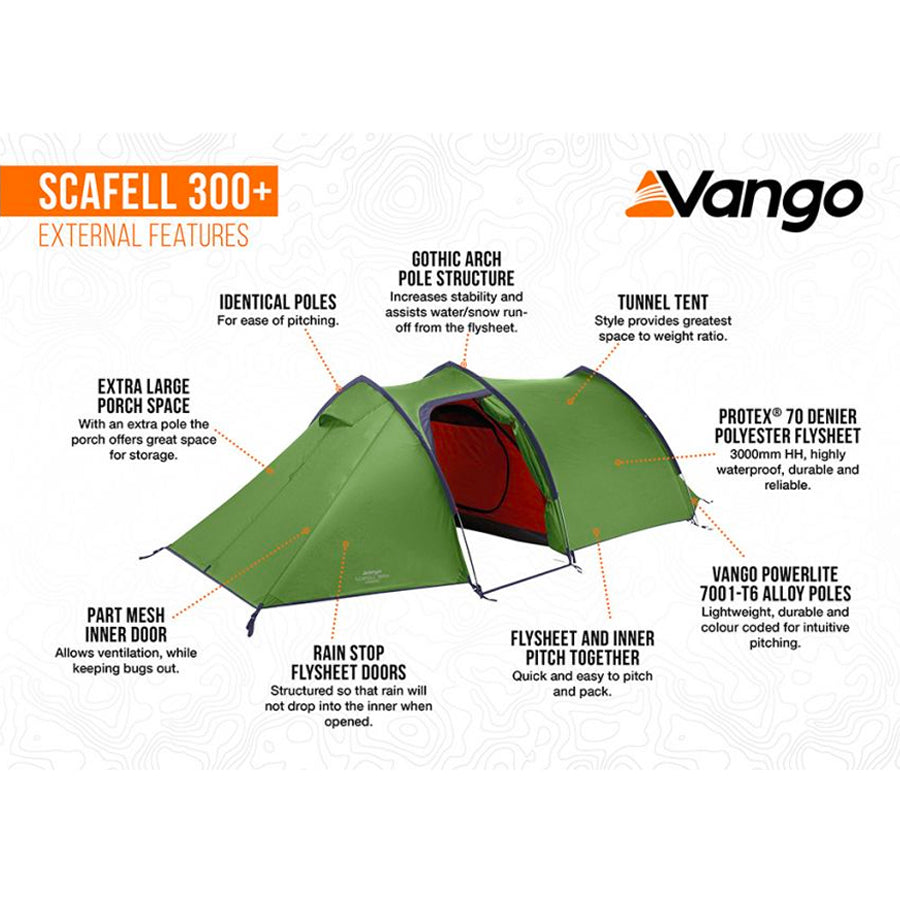
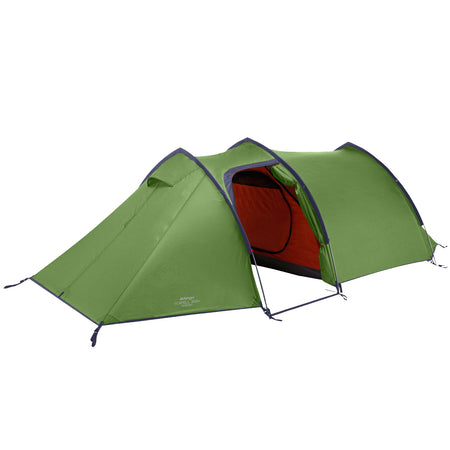
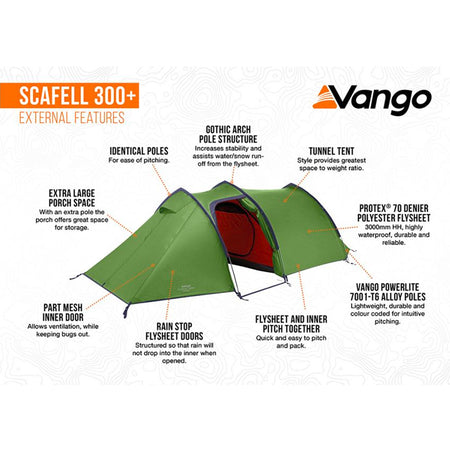
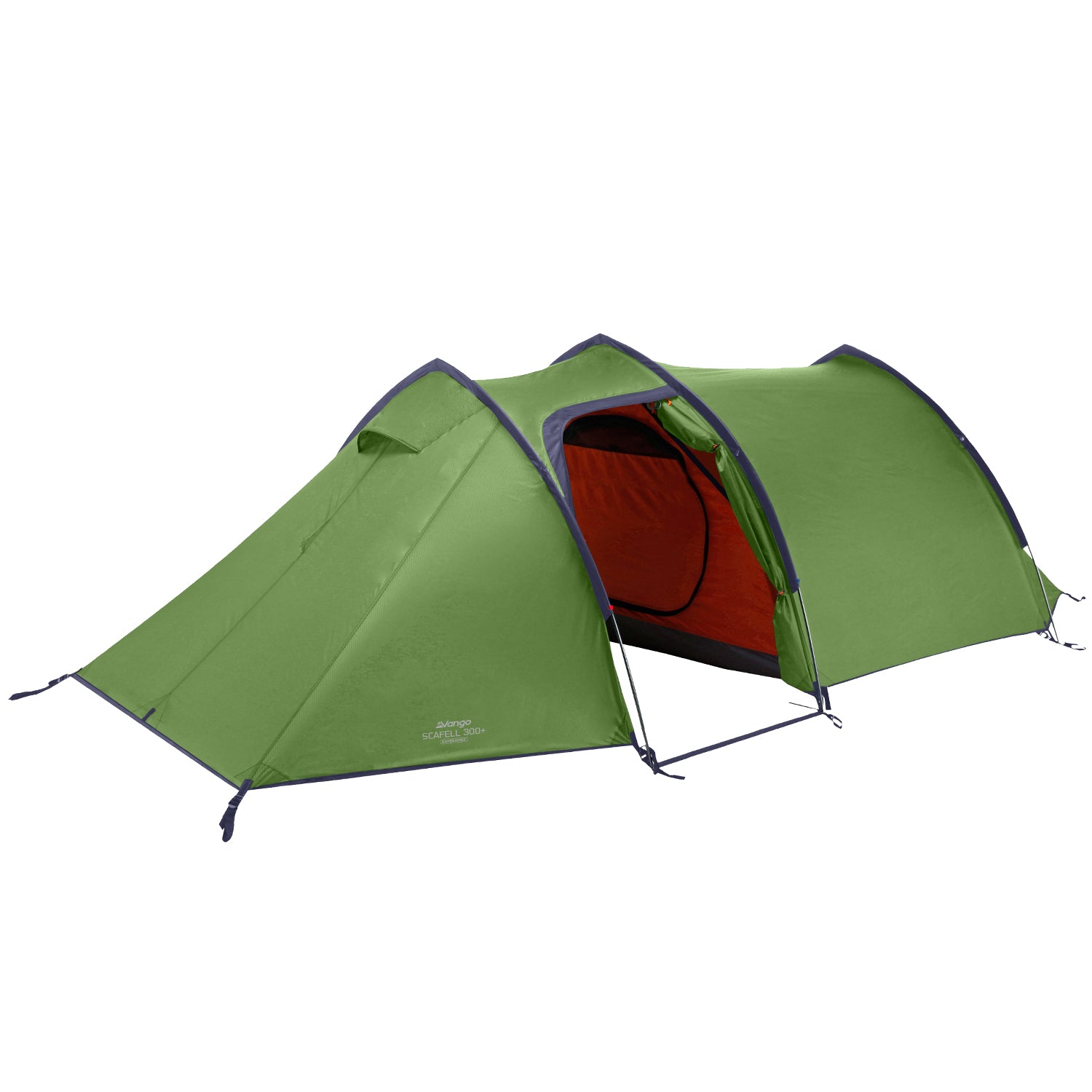
For most people, the Vango Nevis 200 is our best overall choice: it’s light enough for multi-day trips, simple to pitch and reassuringly capable for the price. If every gram matters, look at the Wild Country Helm Elite 1; if comfort and storage matter more, the Vango Scafell 300 Plus is the roomier option.
We periodically revise and update this guide as new models arrive, have tested them properly, and if we receive real world feedback from our customers. Availability, specifications and prices can change, so check the individual product page before buying.
Best backpacking tents 2027: At a glance
| Tent | Our verdict | Packed weight | Packed size | Waterproof rating | Best for |
|---|---|---|---|---|---|
| Vango Nevis 200 | Best overall | 1.79kg | 42 × 14cm | 3,000mm | Most backpackers |
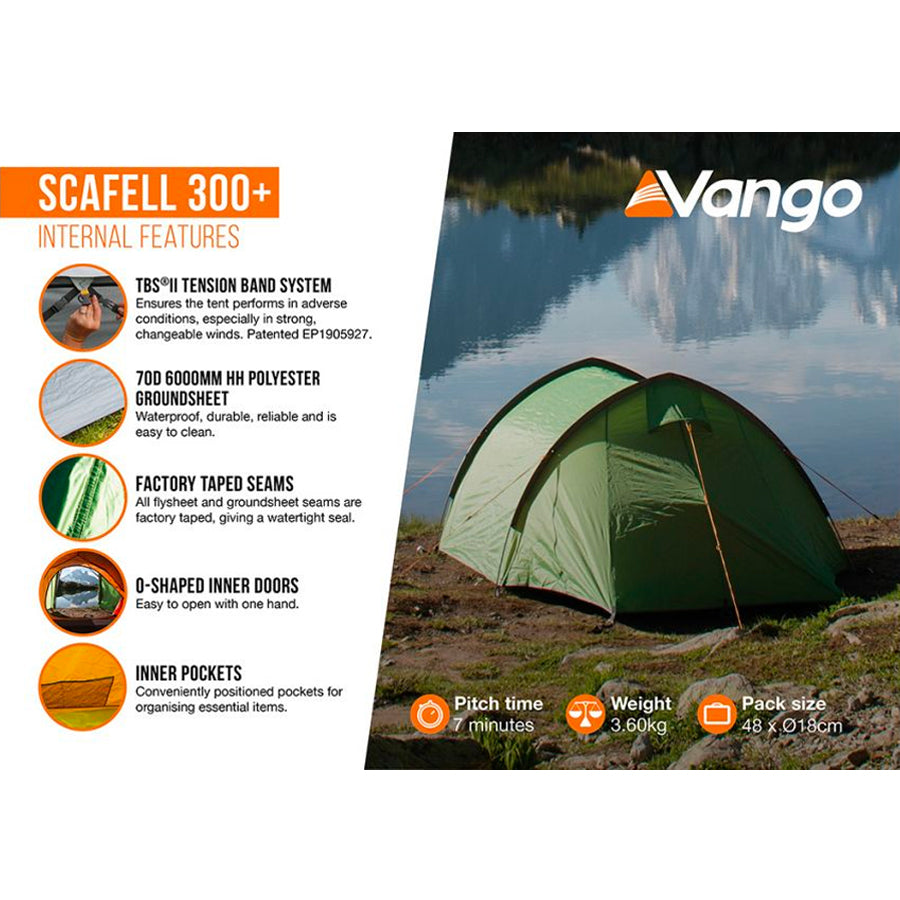
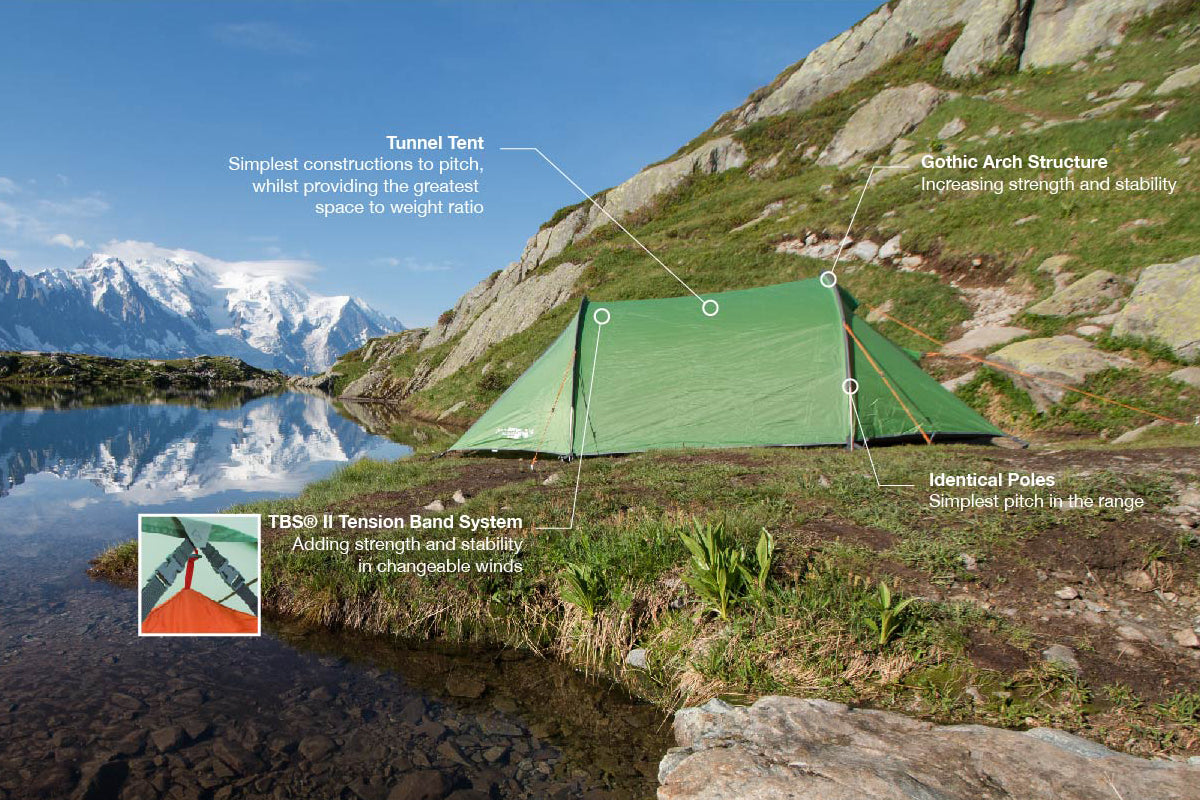
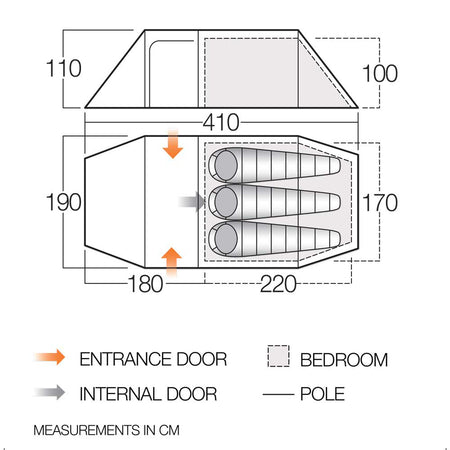
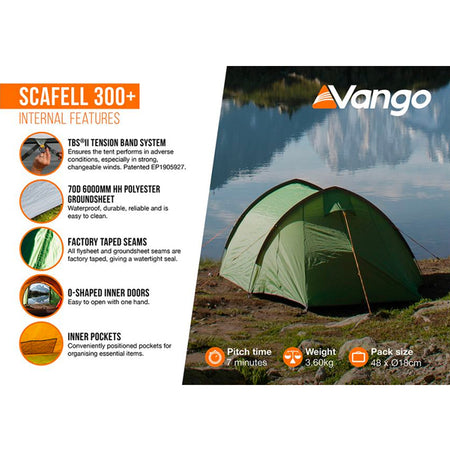
| Vango Scafell 300 Plus | Best for extra space | 3.60kg | 48 × 18cm | 3,000mm | Two people + kit |
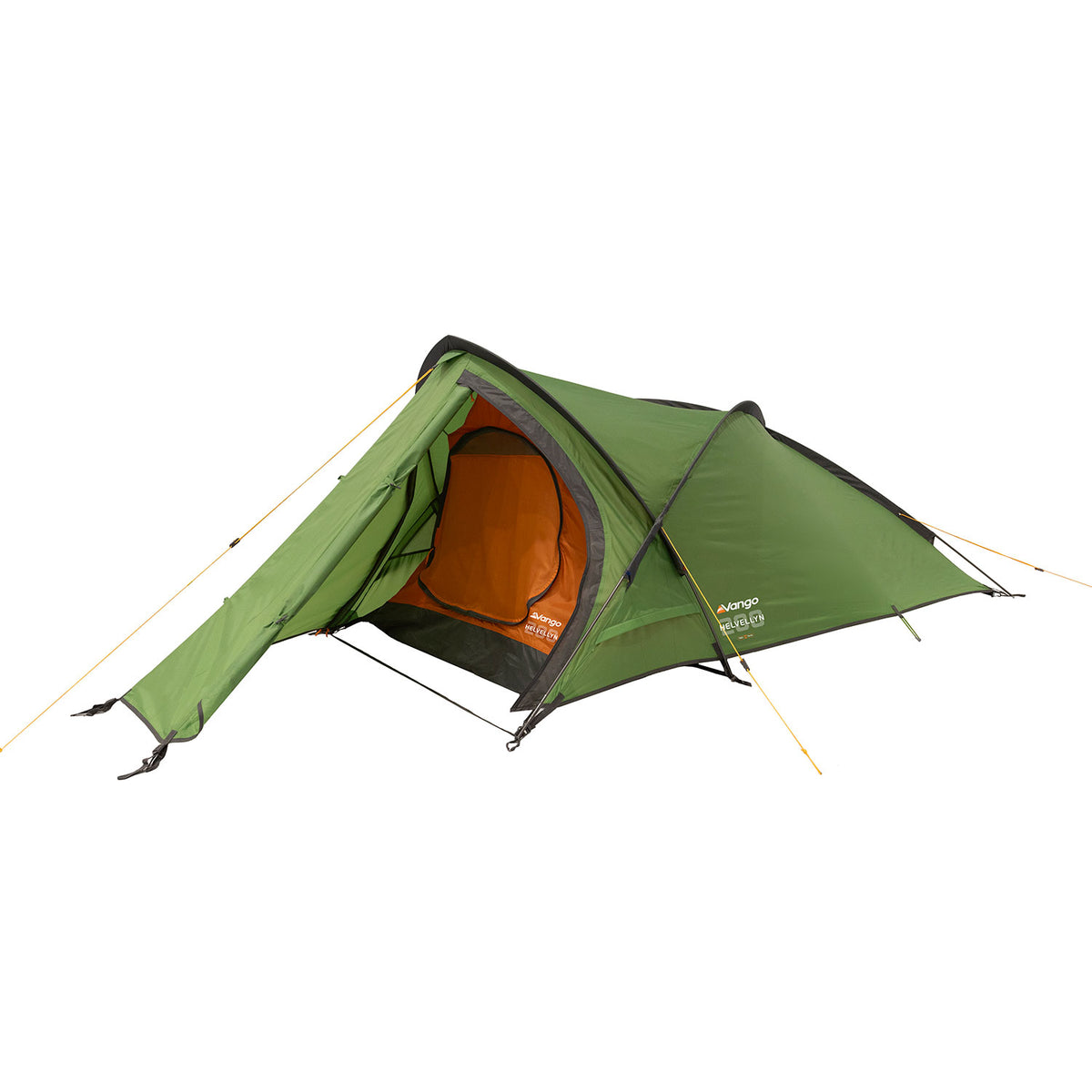
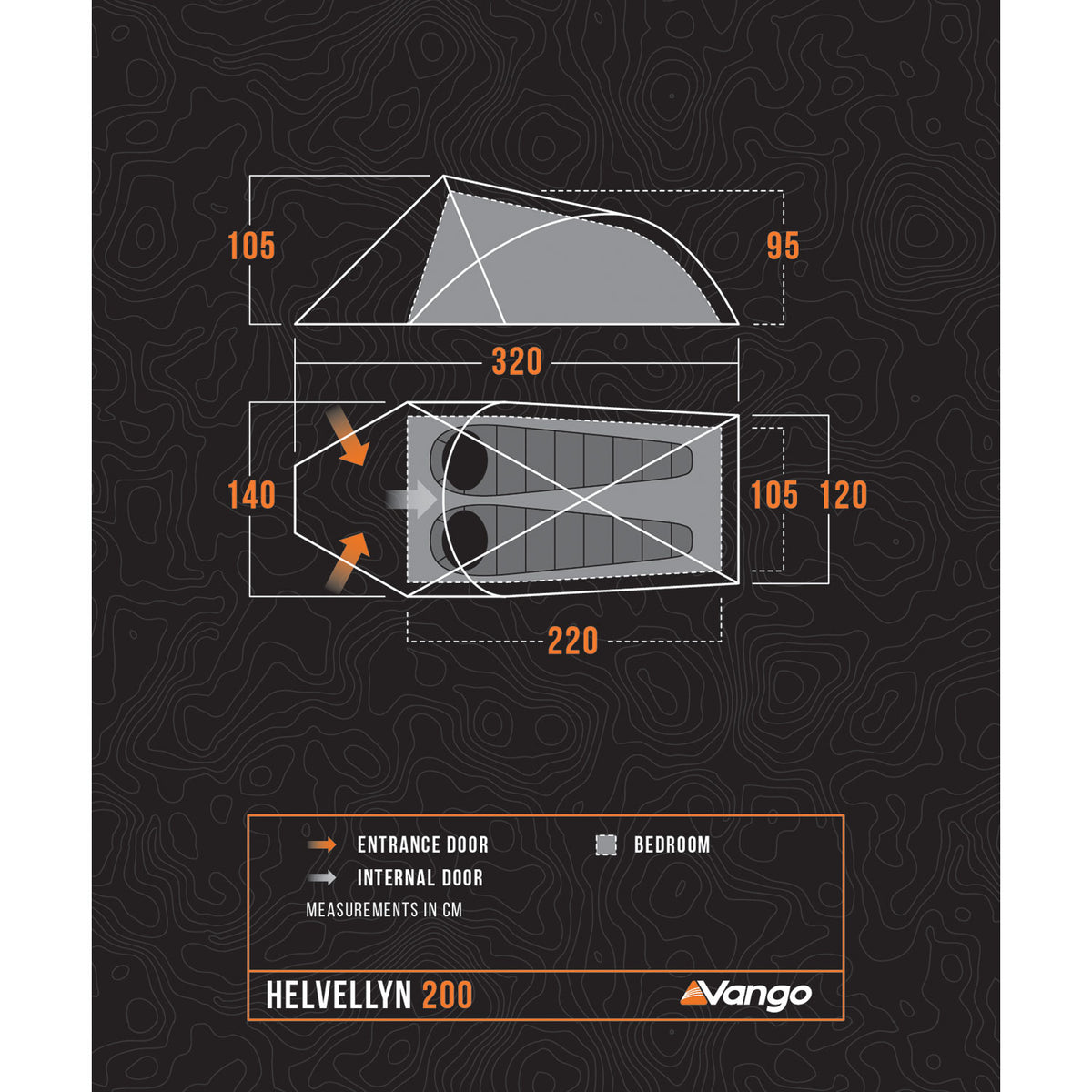
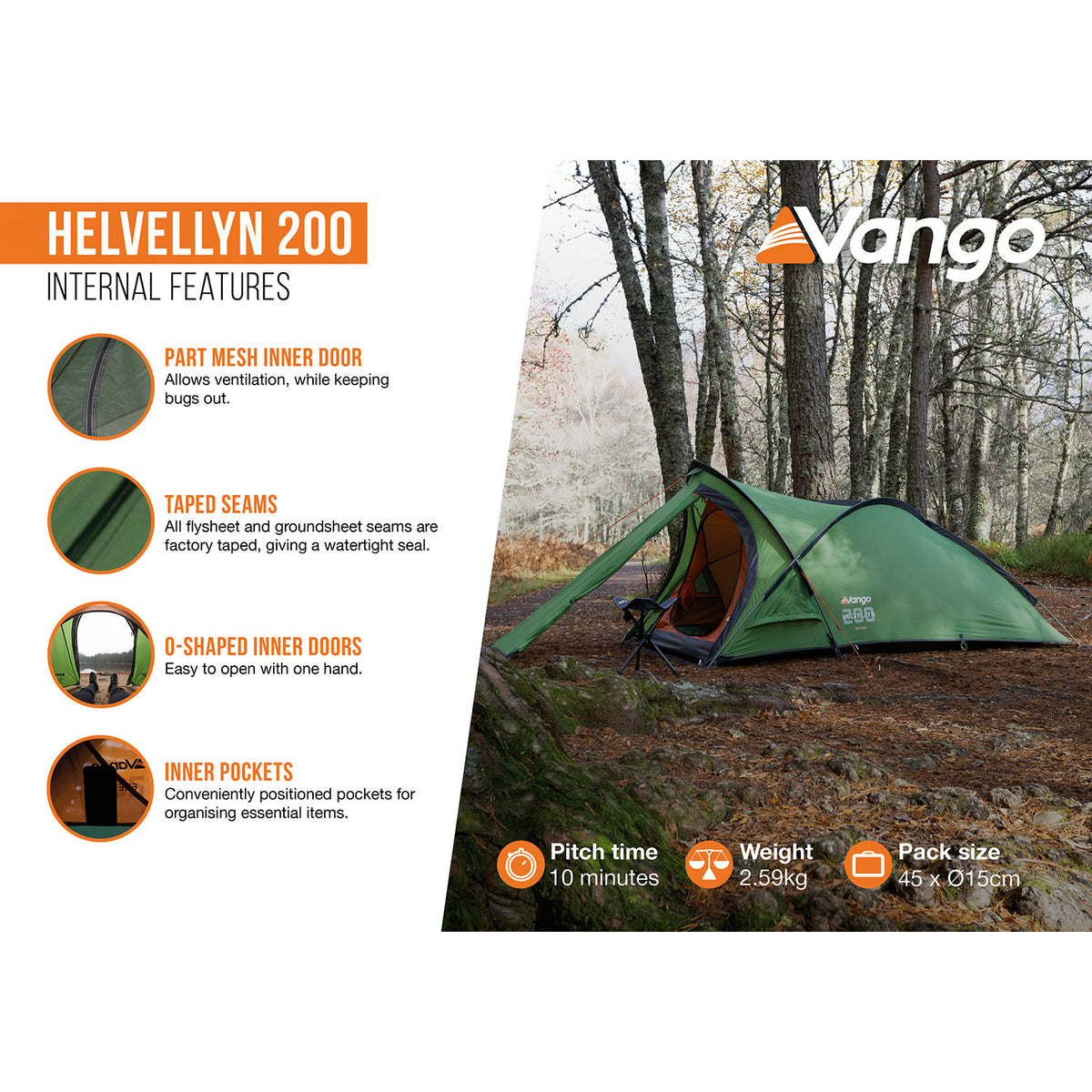
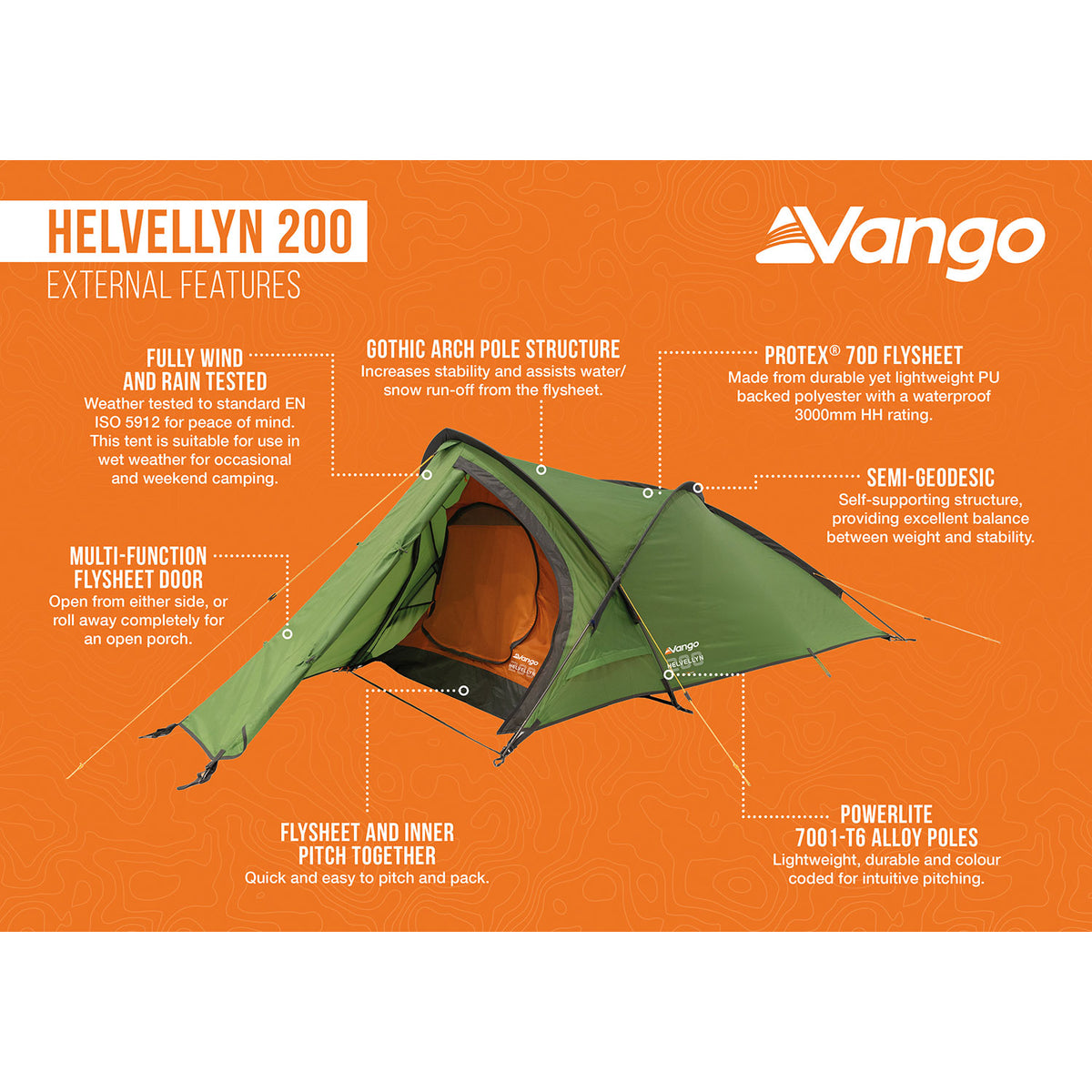
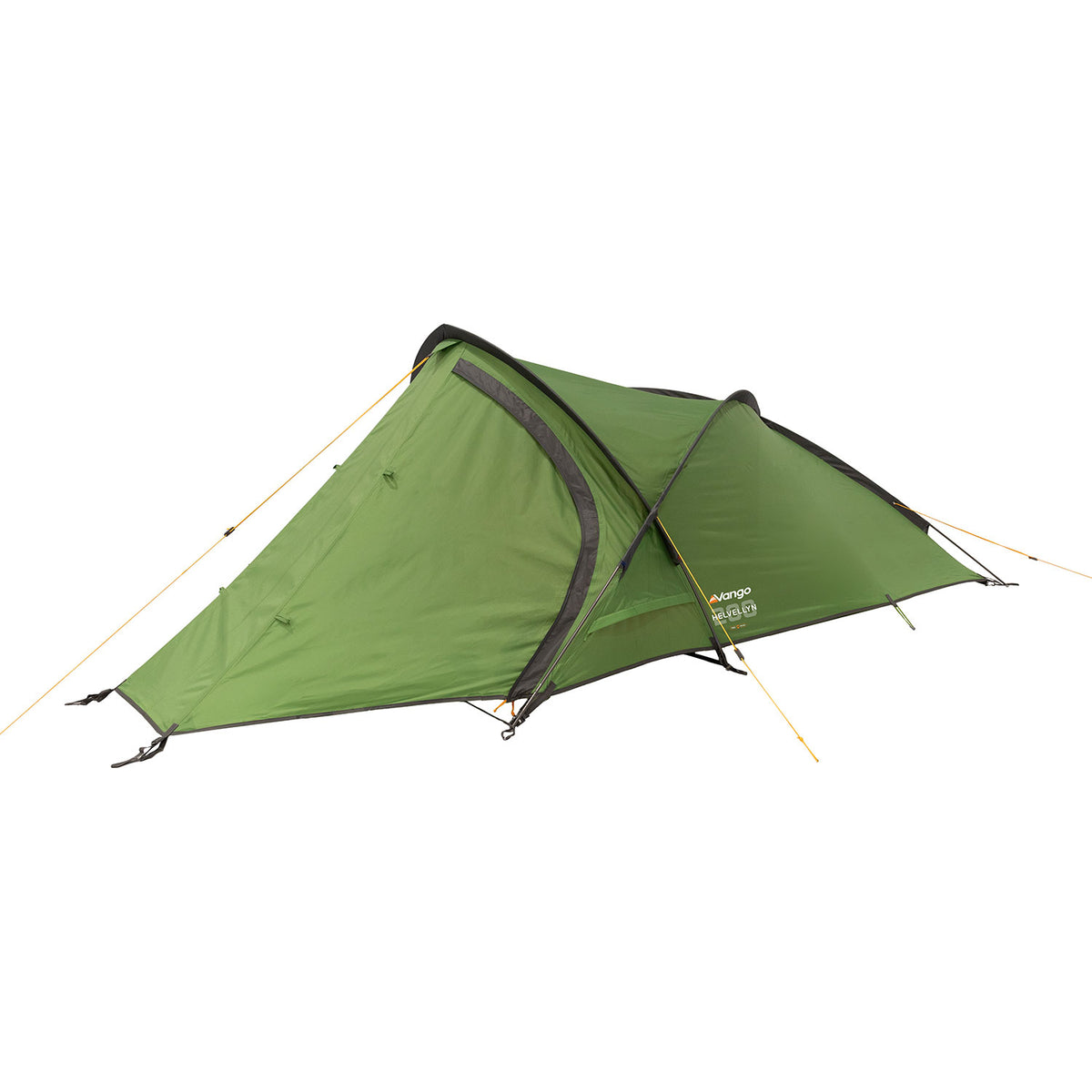
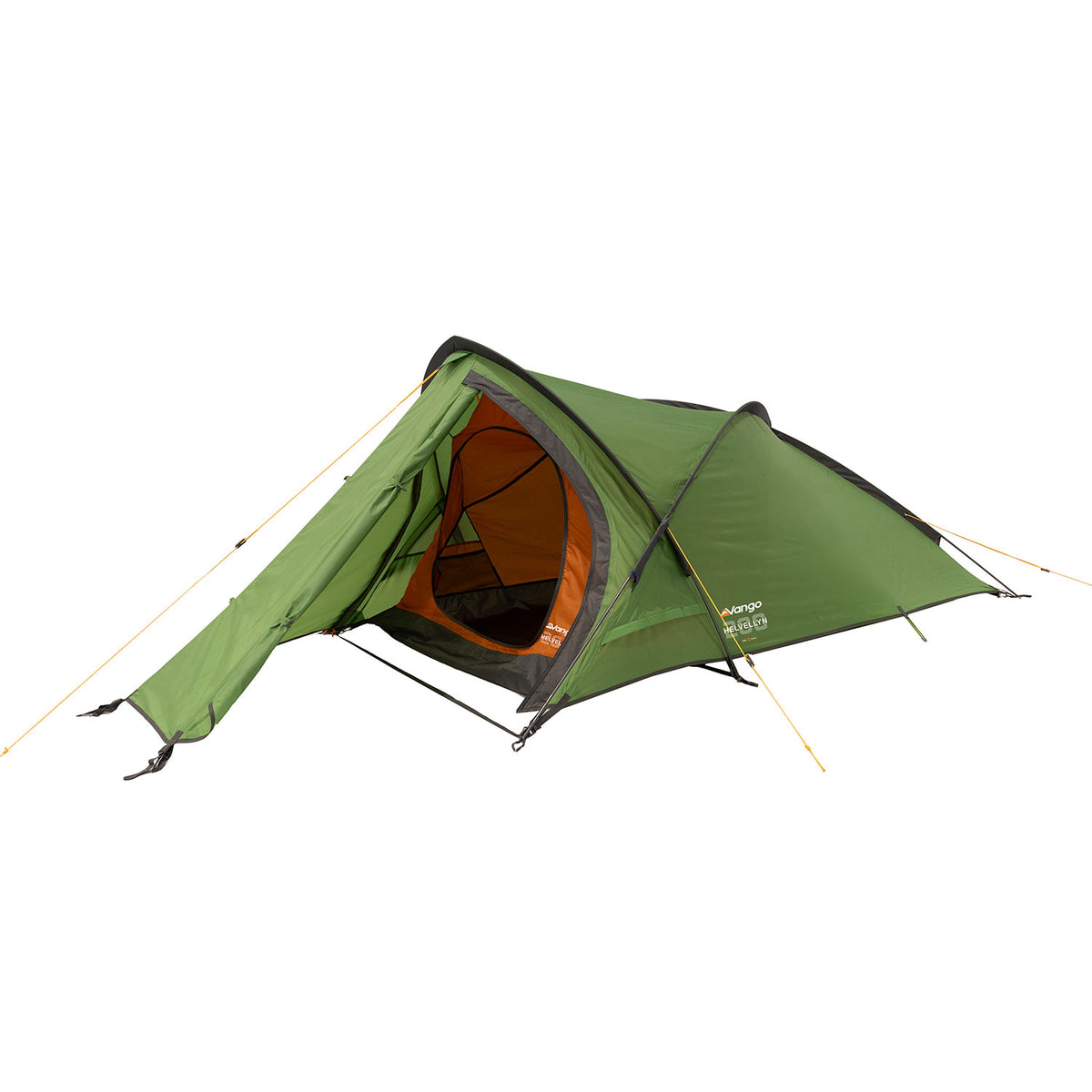
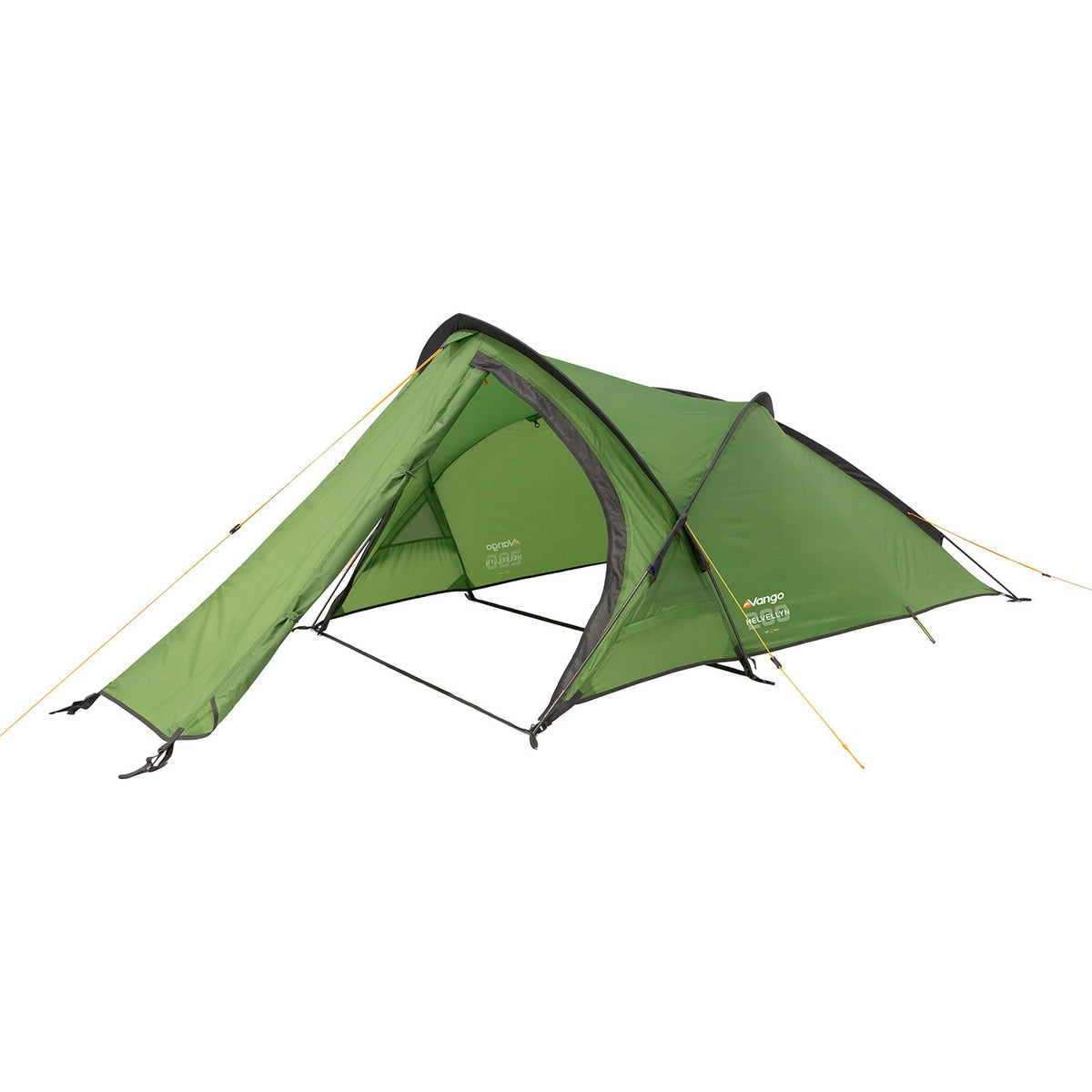
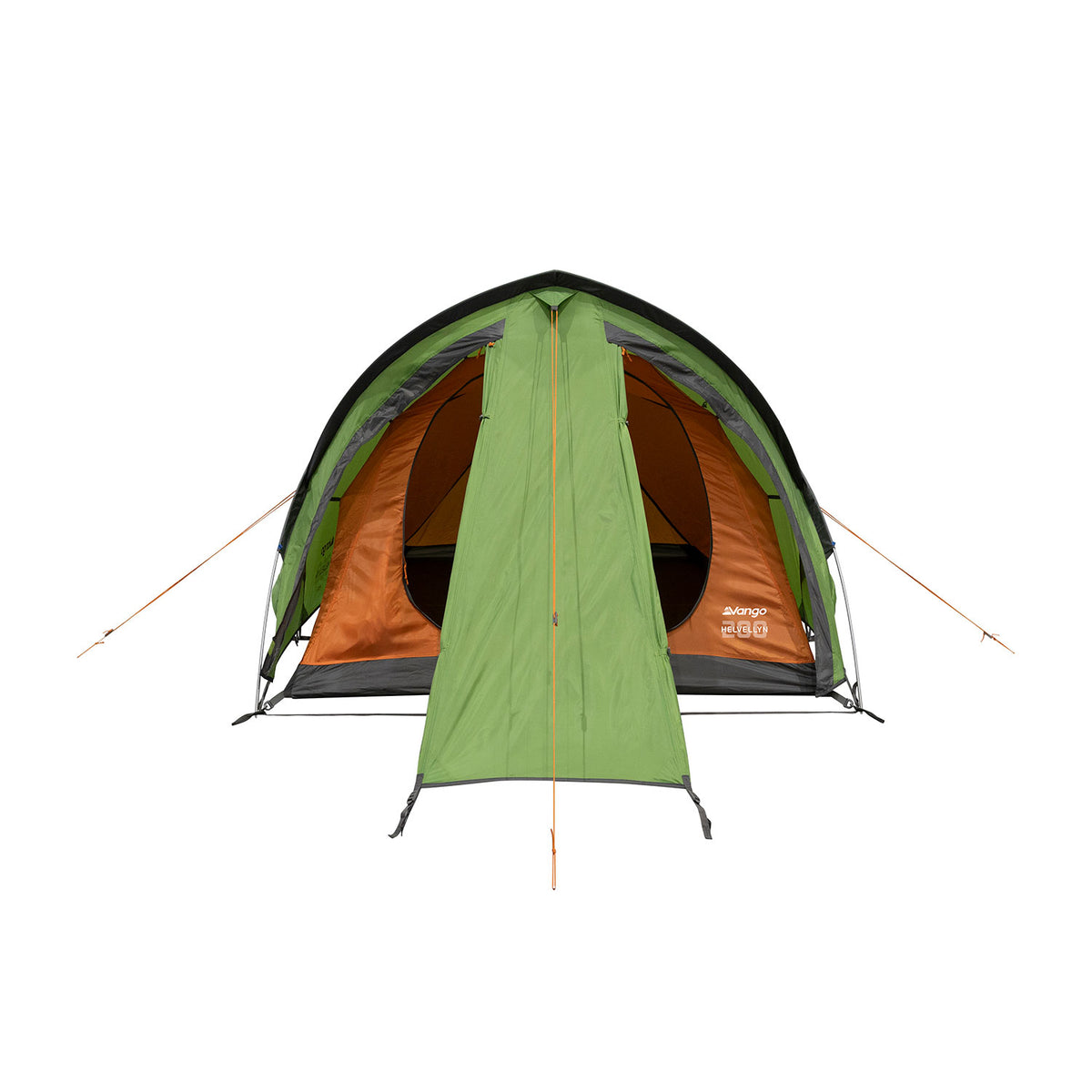
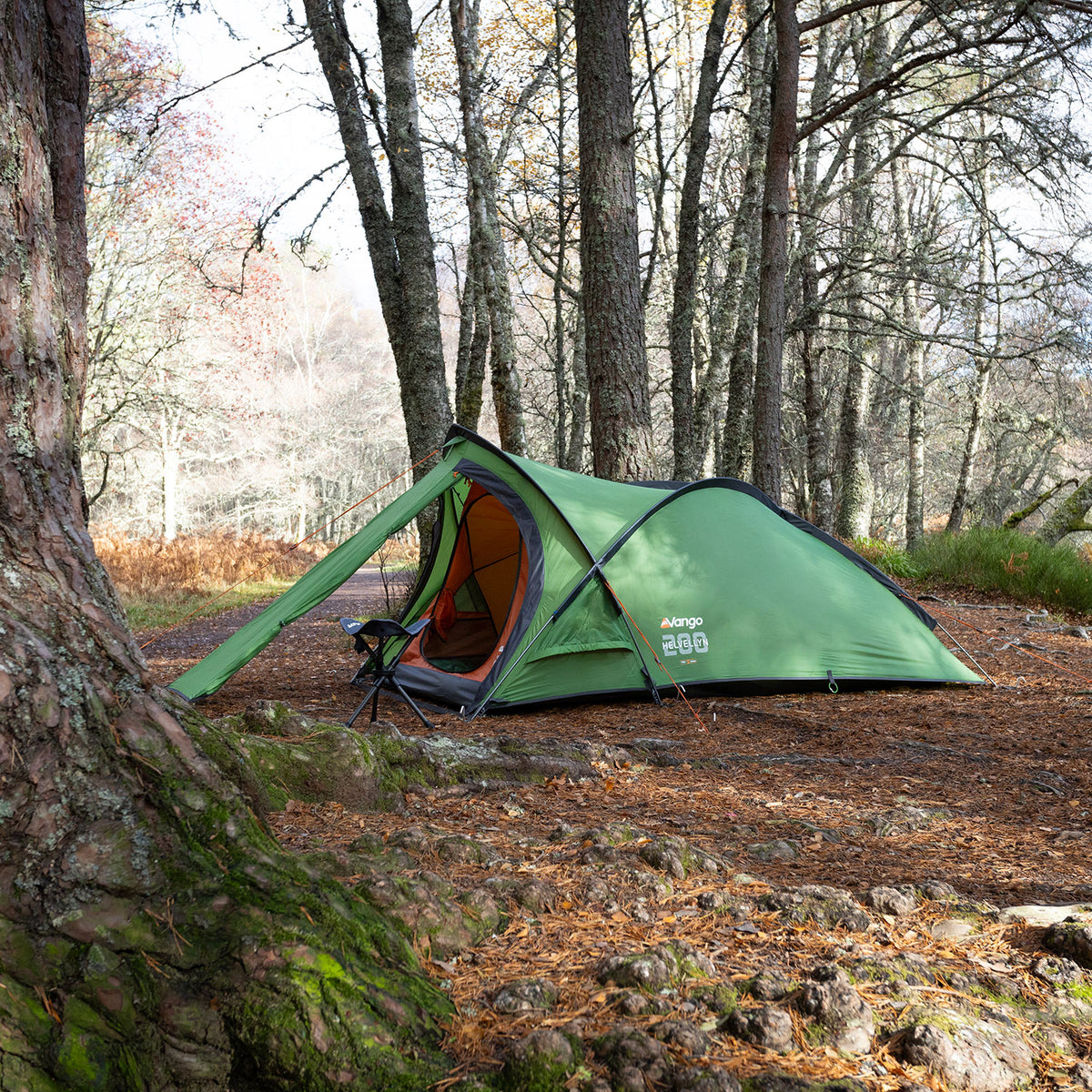
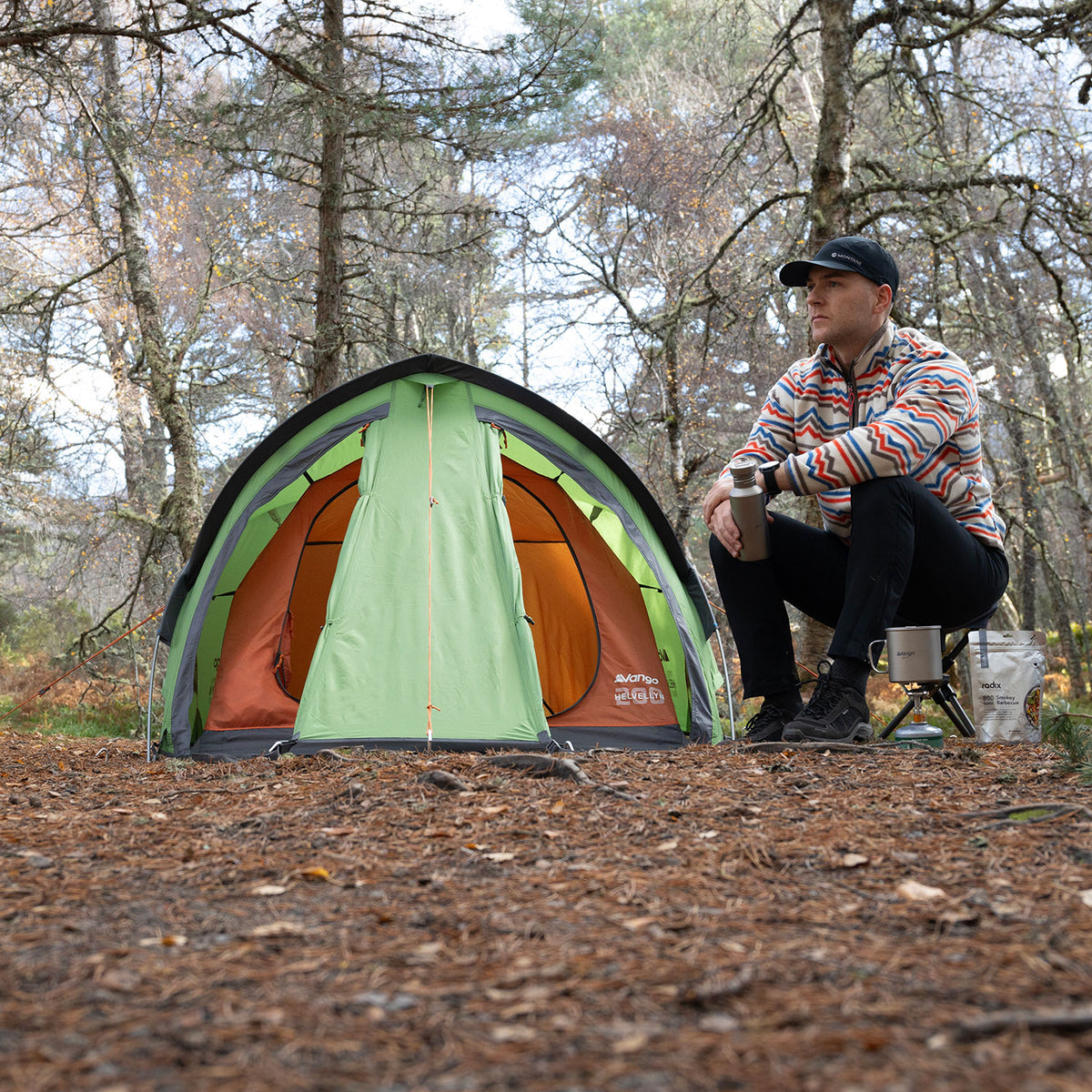
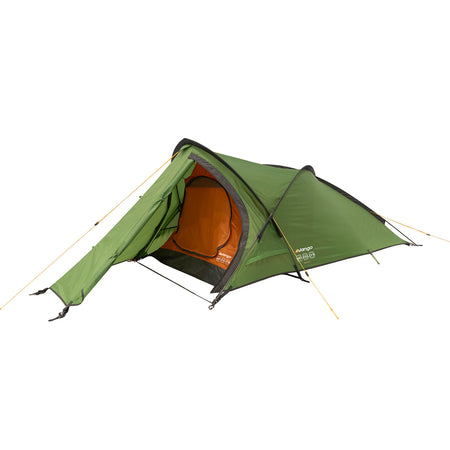
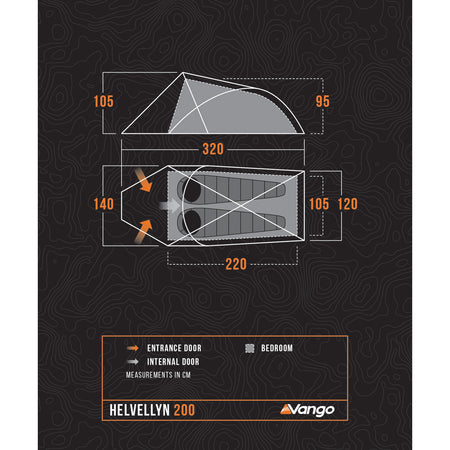
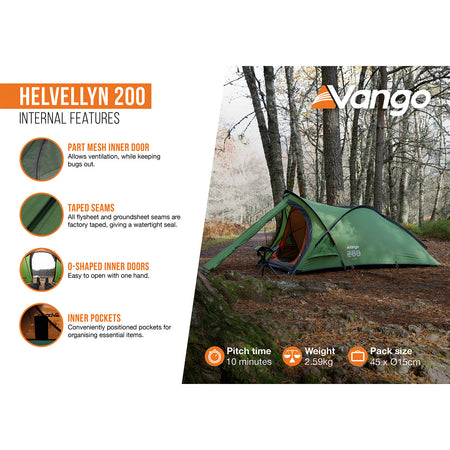
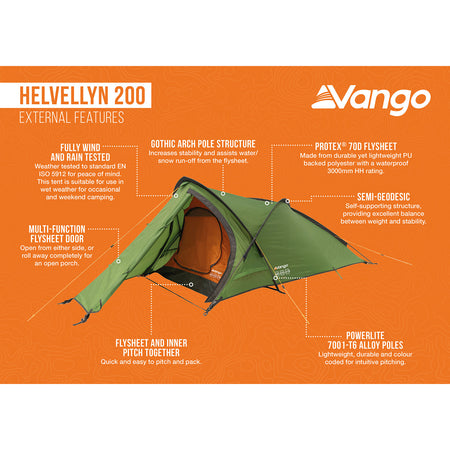
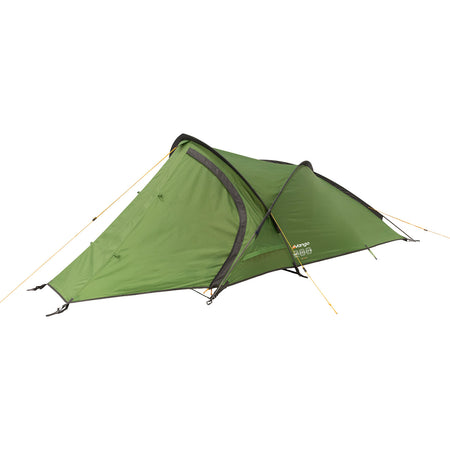
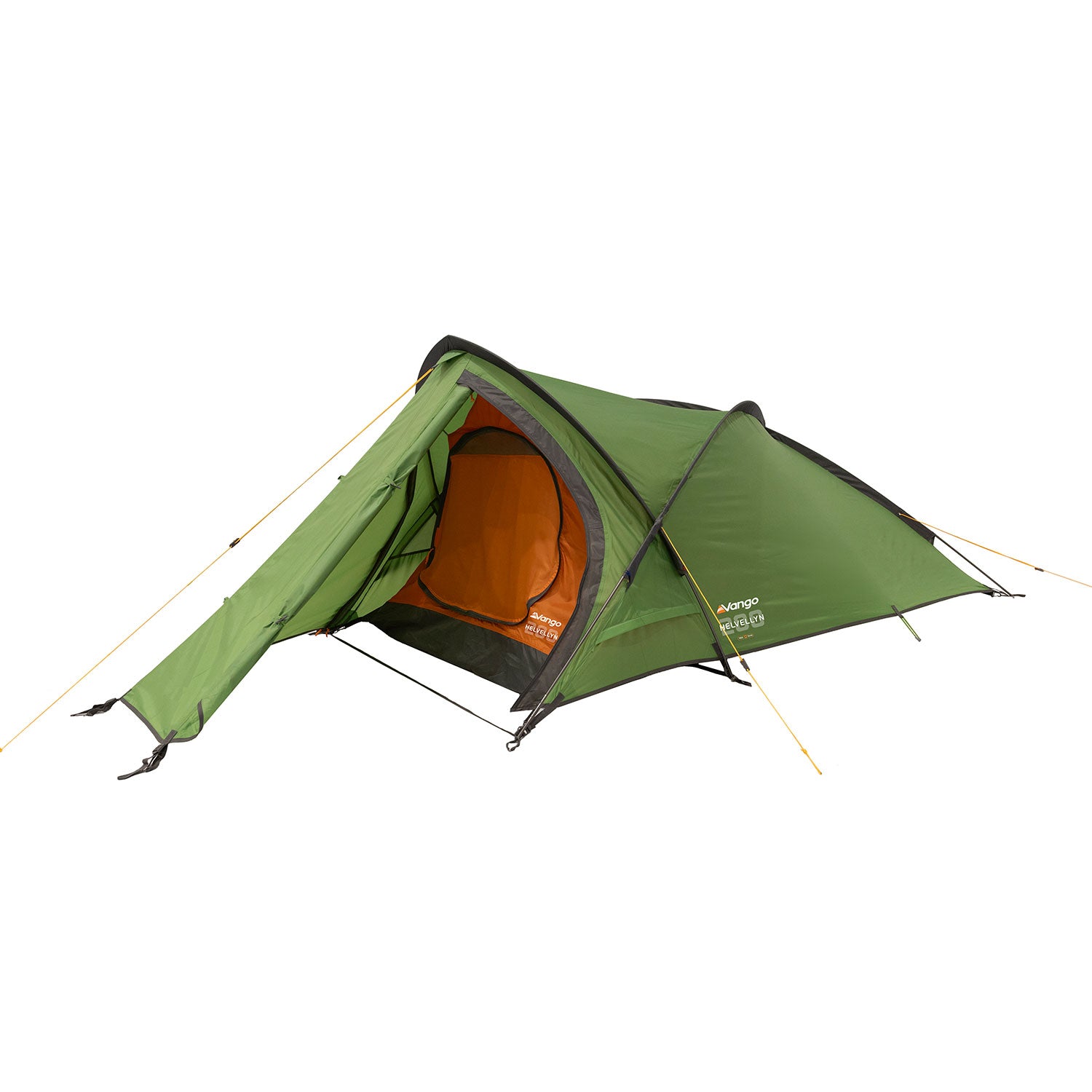
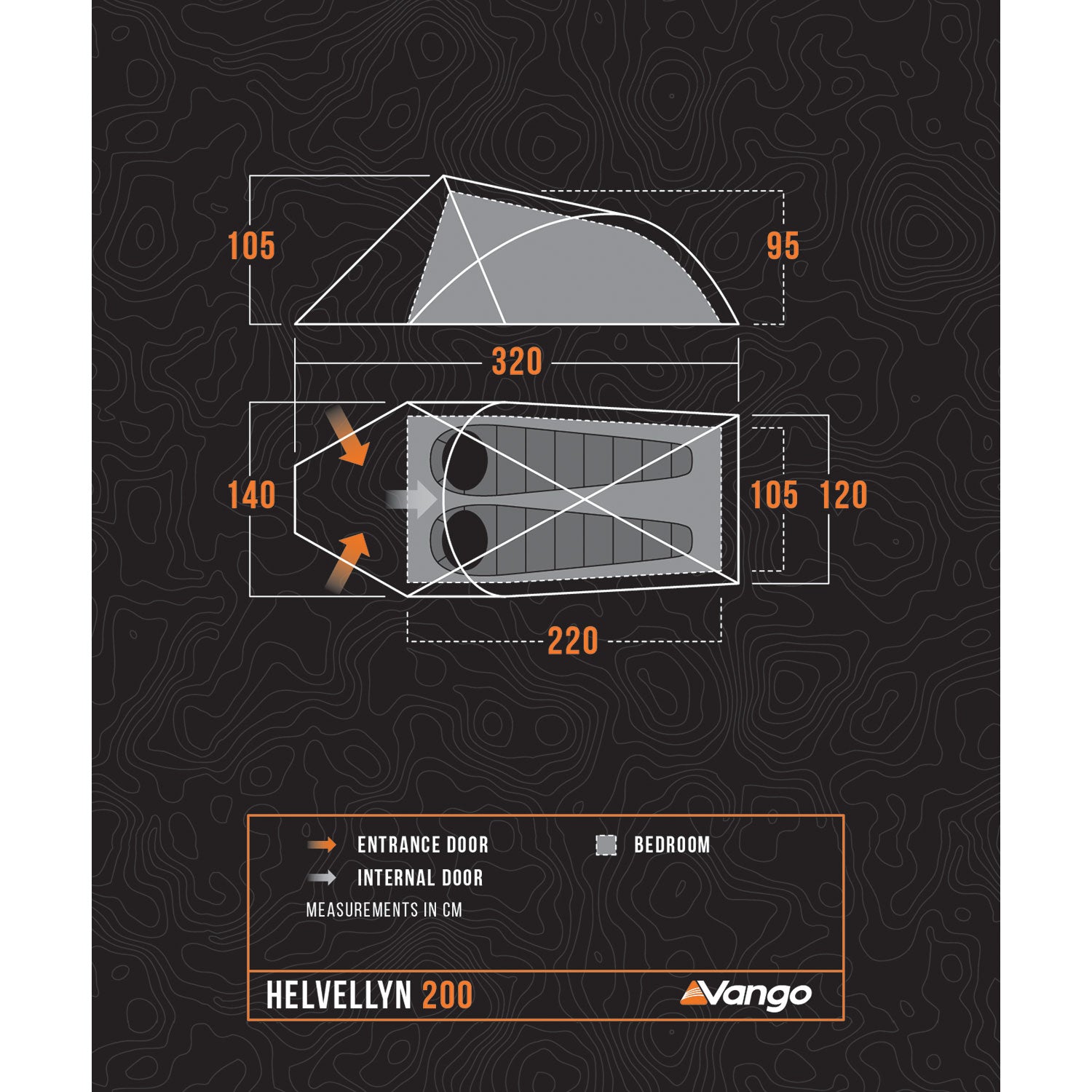
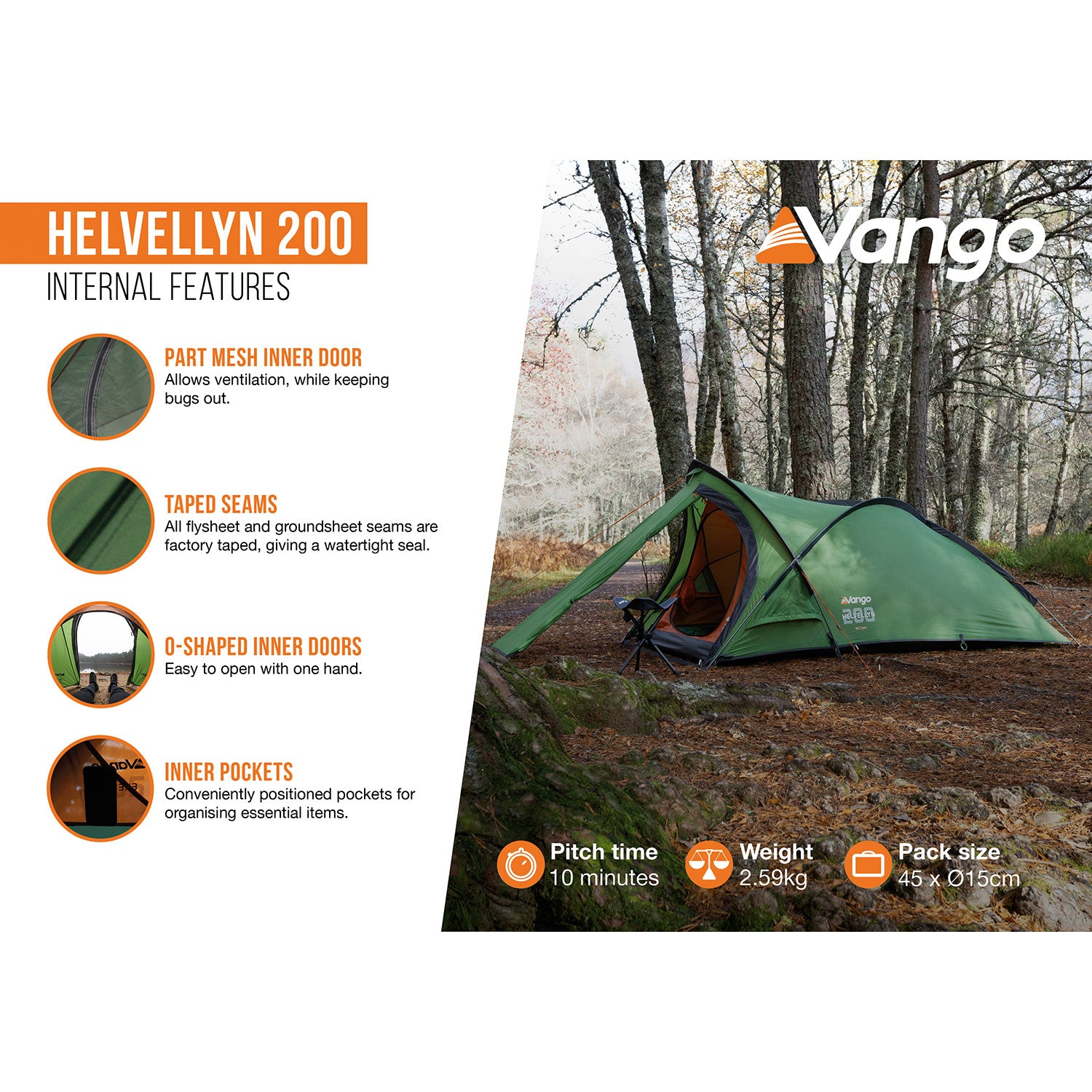
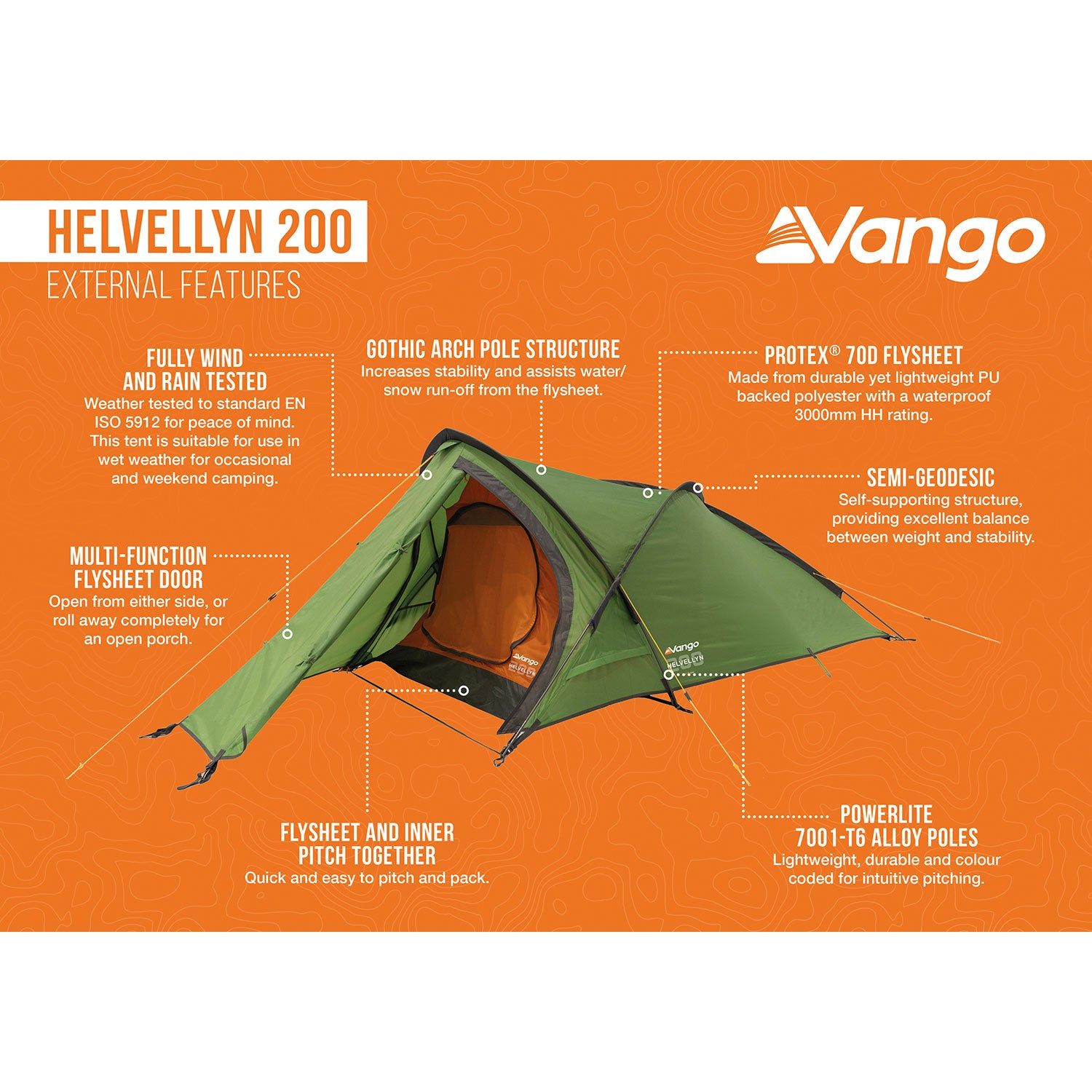
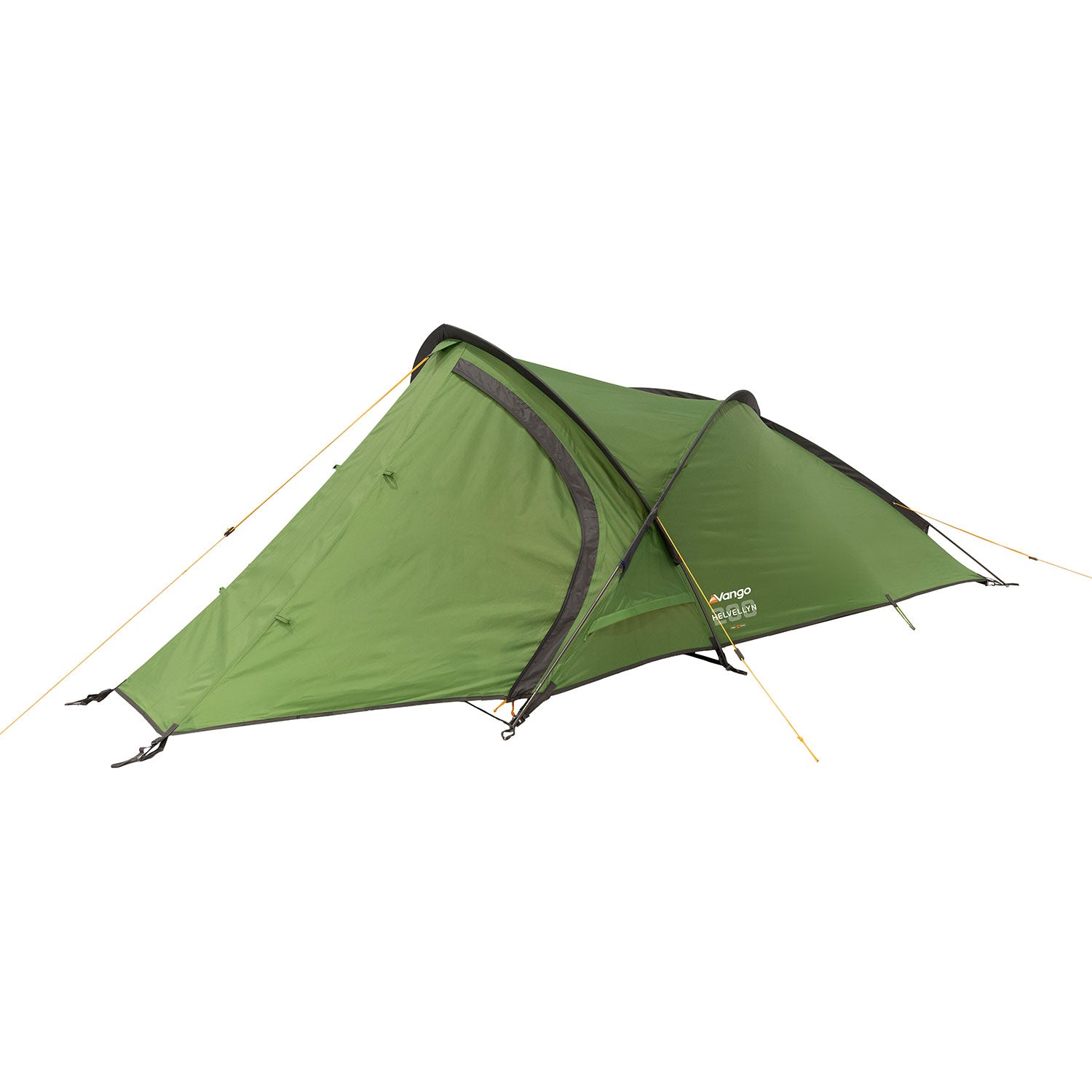
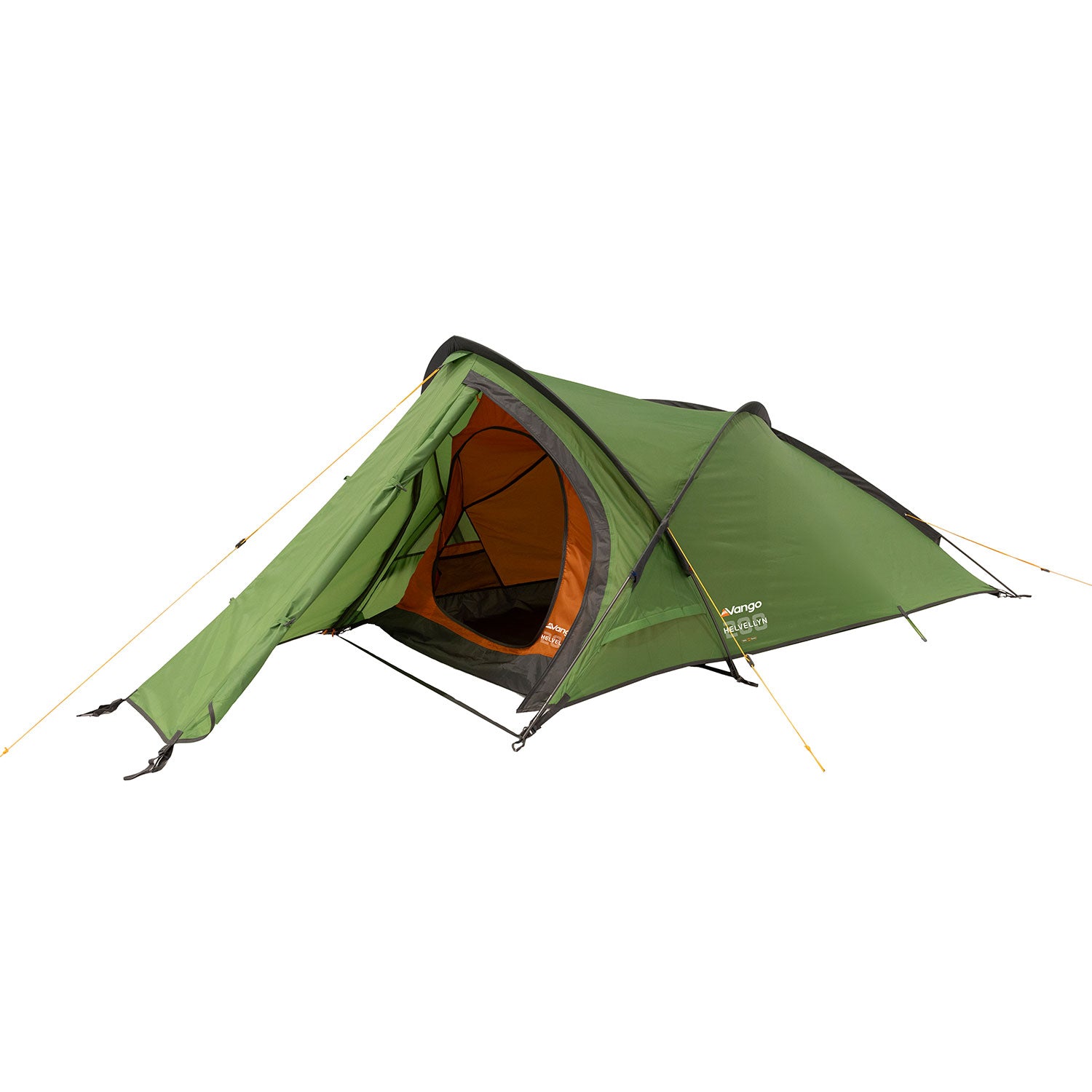
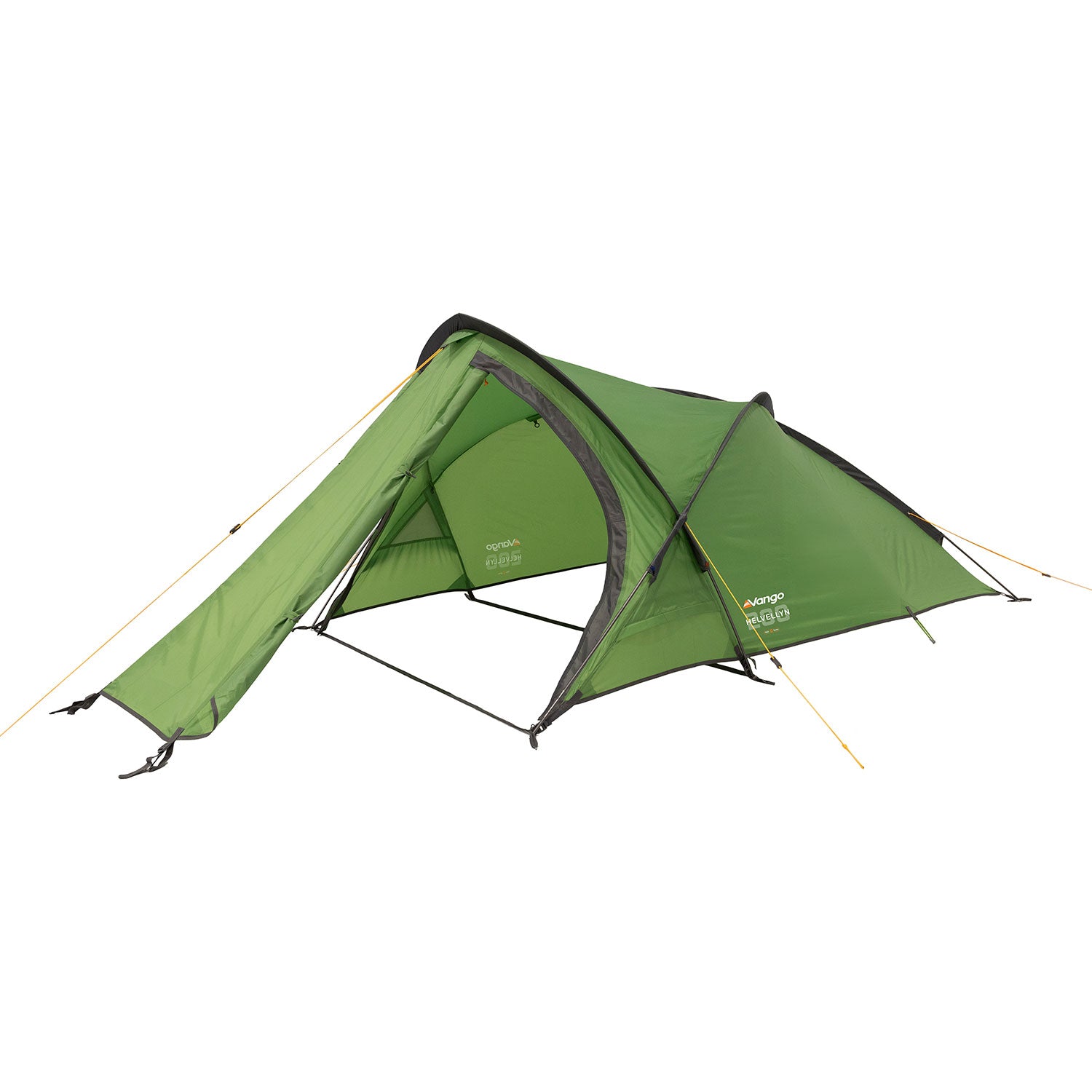
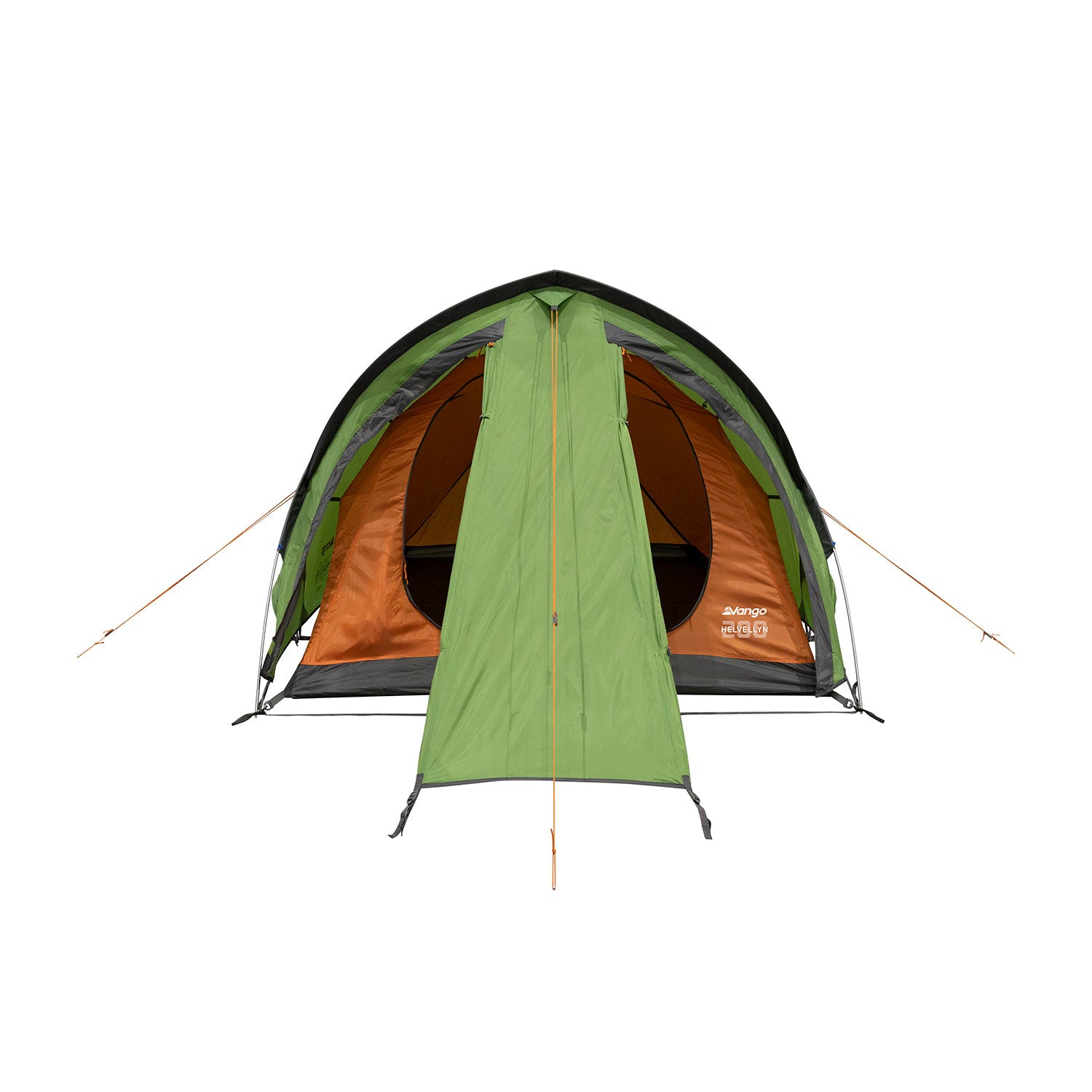
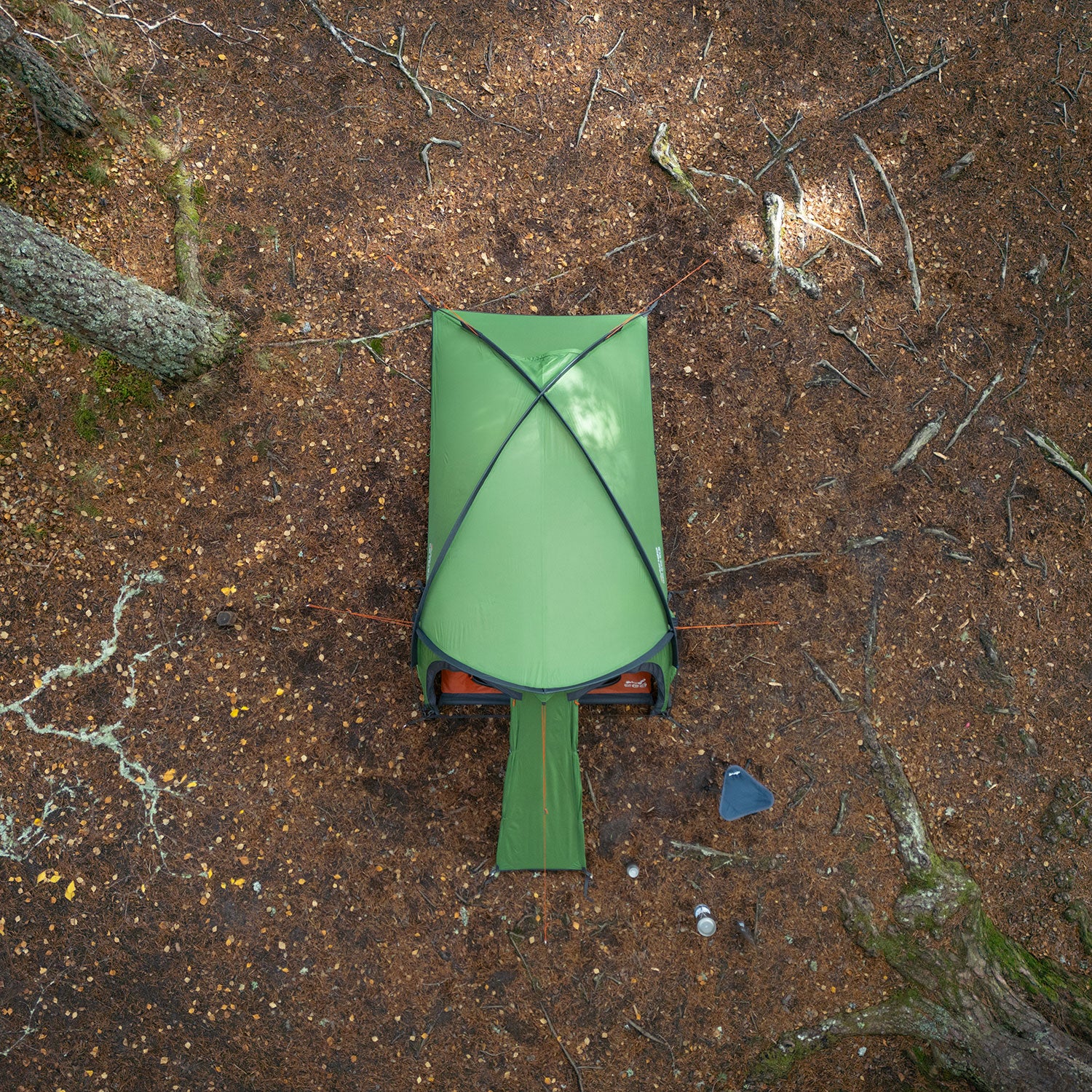
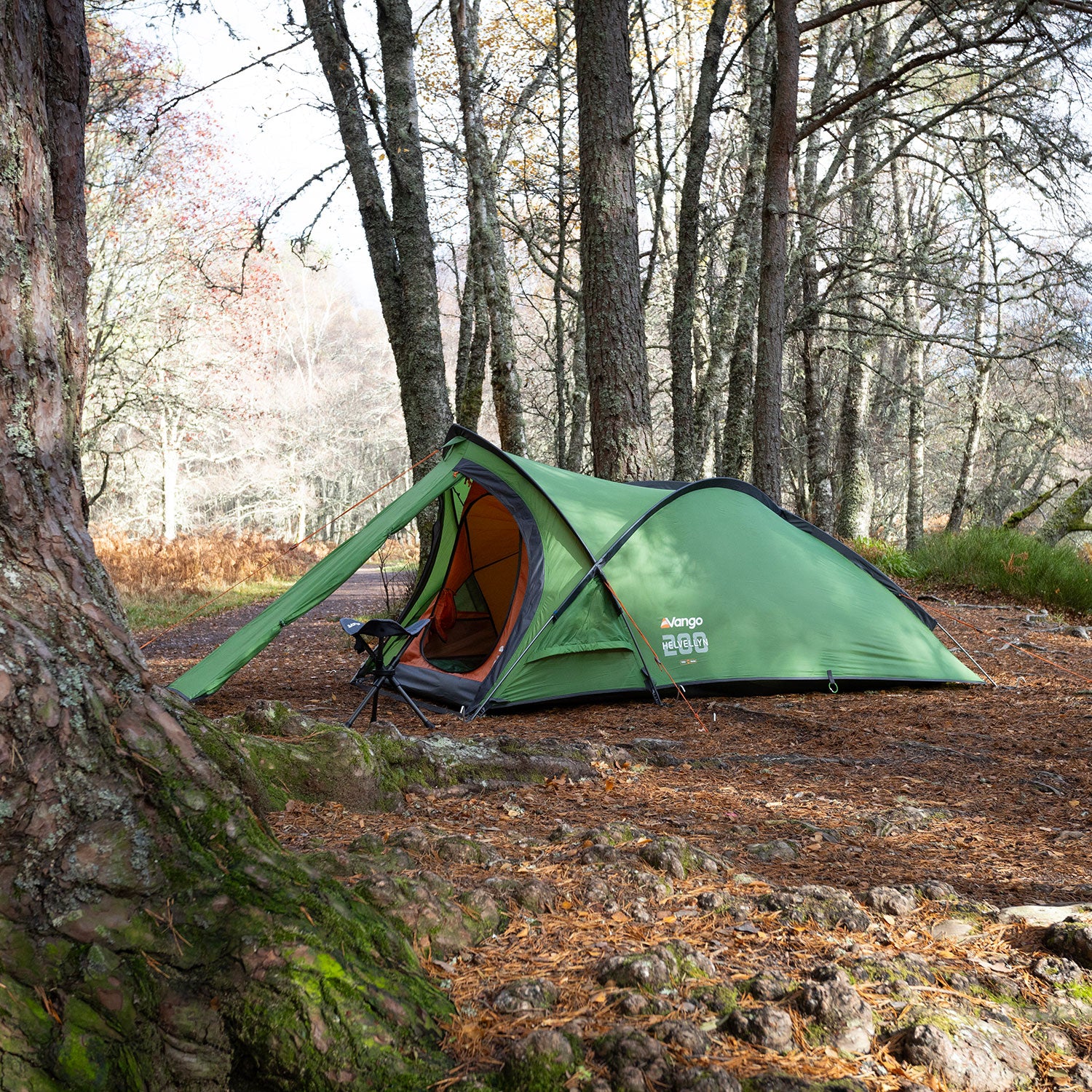
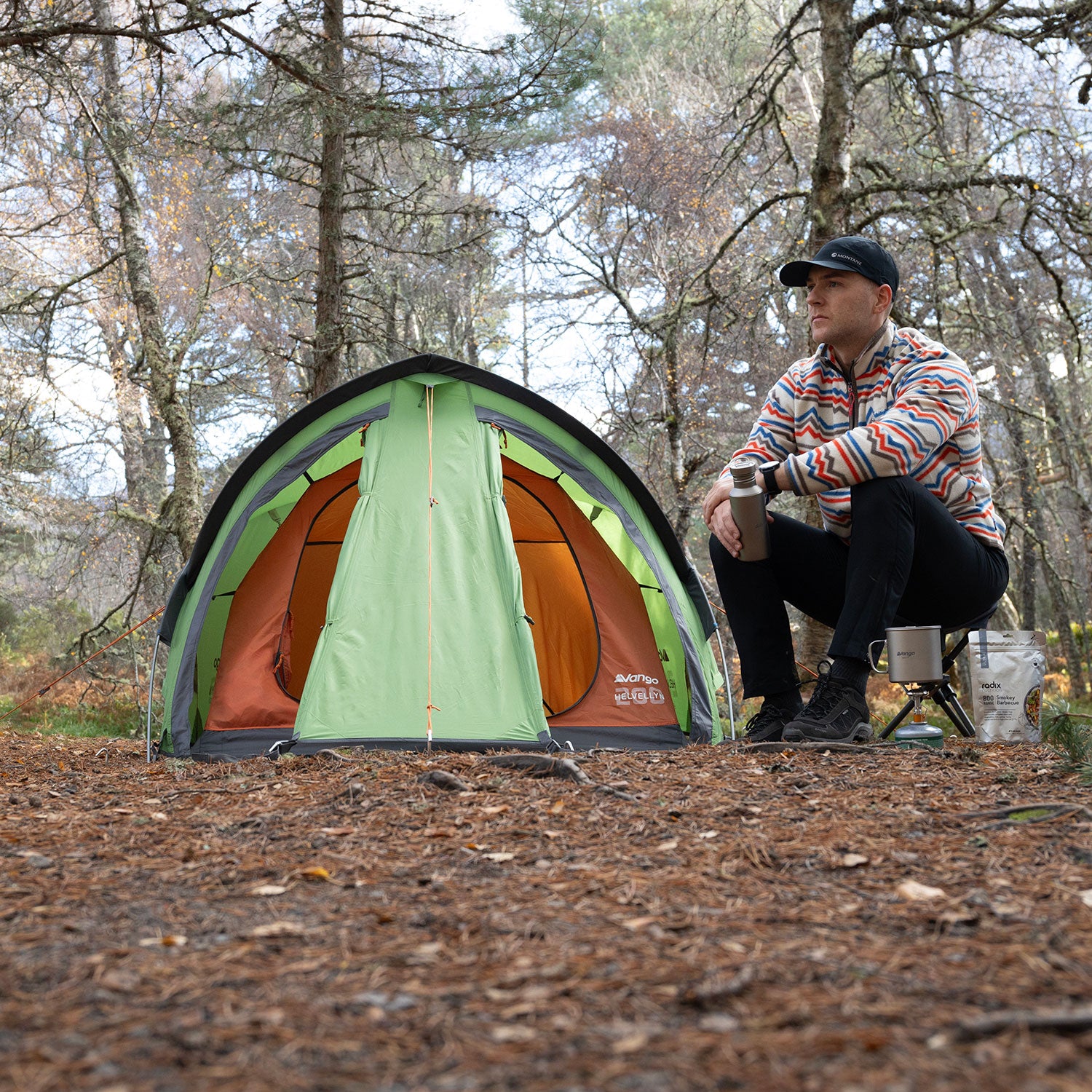
| Vango Helvellyn 200 | Best for DofE | 2.59kg | 45 × 15cm | 3,000mm | DofE participants and youth groups |
| Wild Country Helm Elite 1 | Best lightweight | 1.75kg | 35 × 17cm | 4,000mm | Weight-conscious solo use |
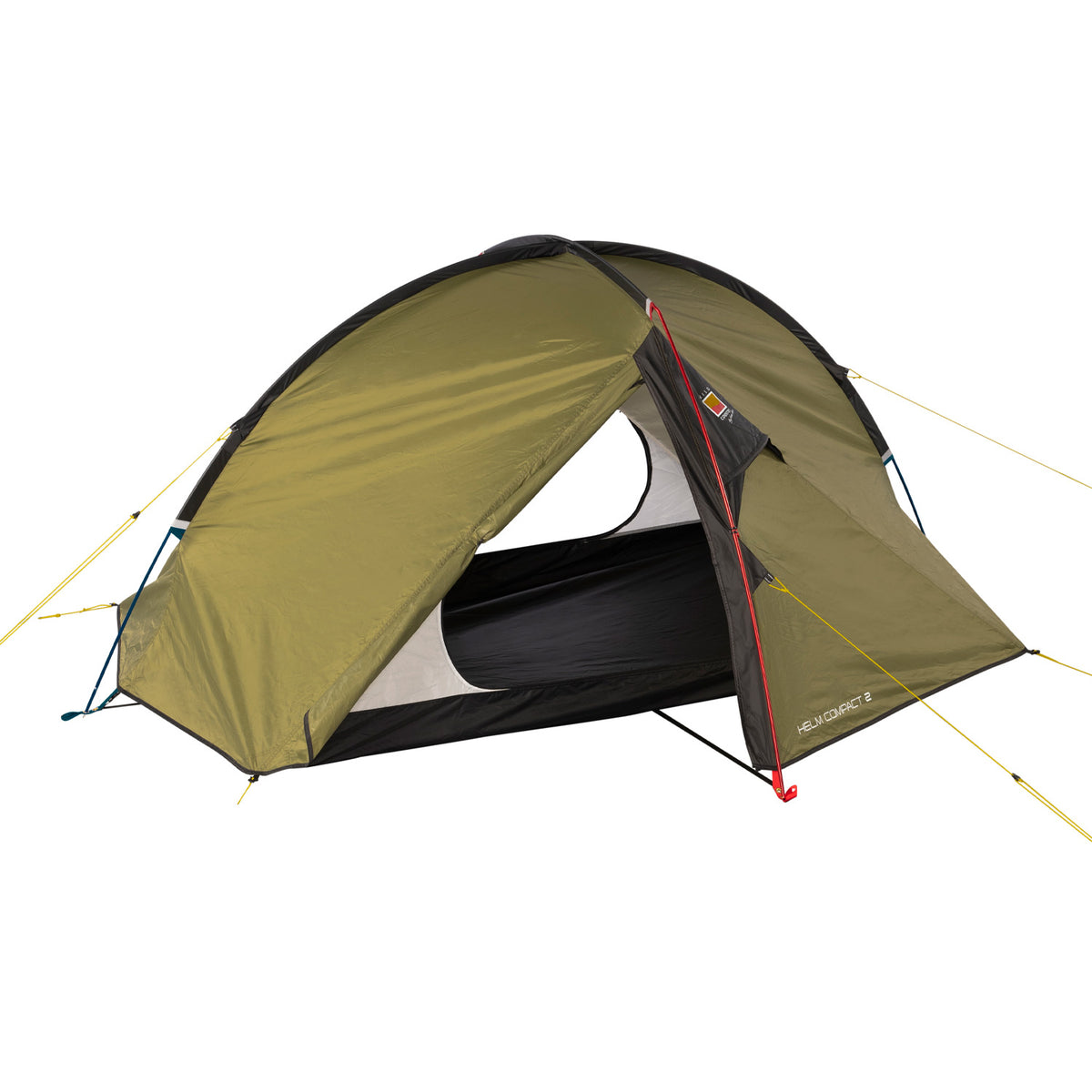
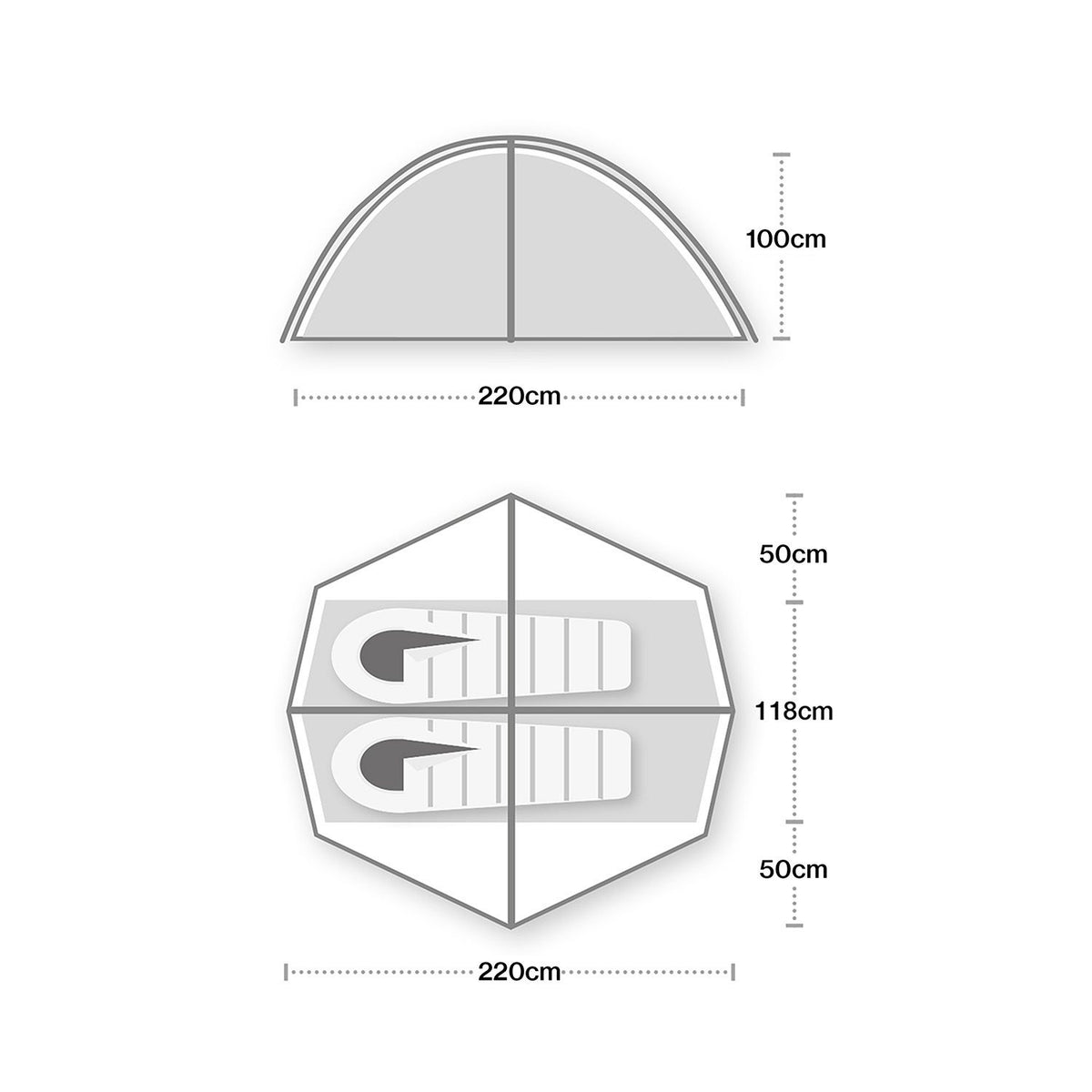
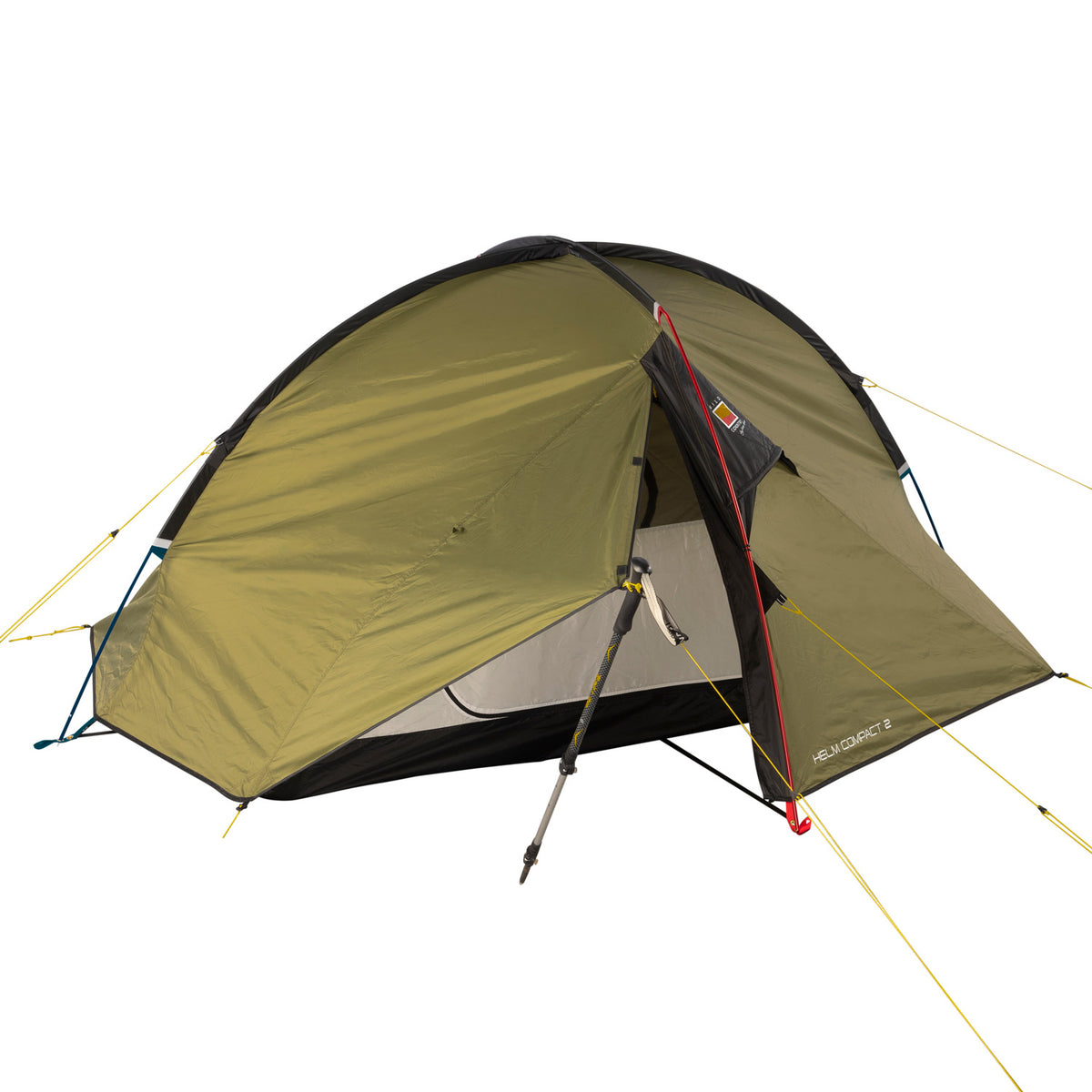
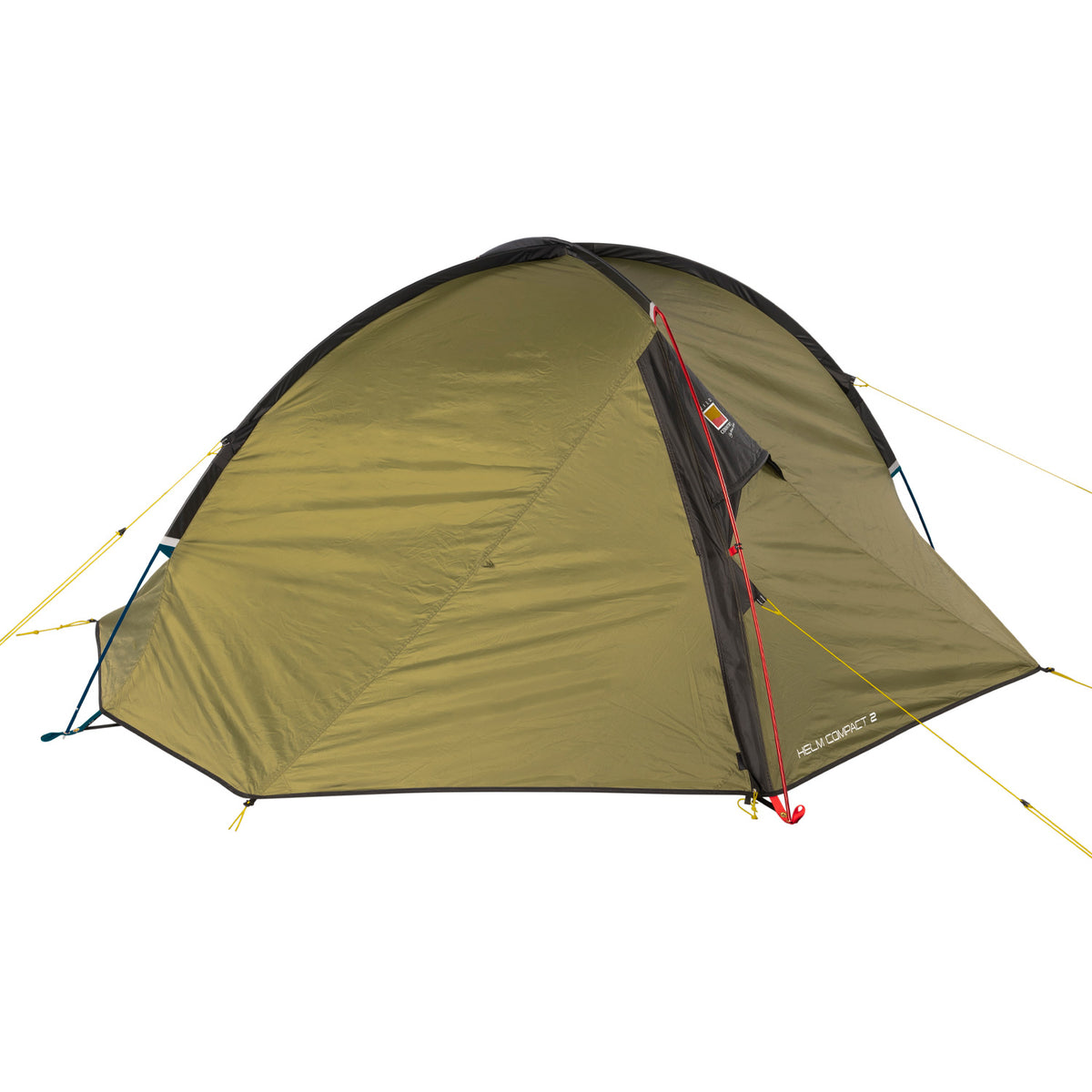
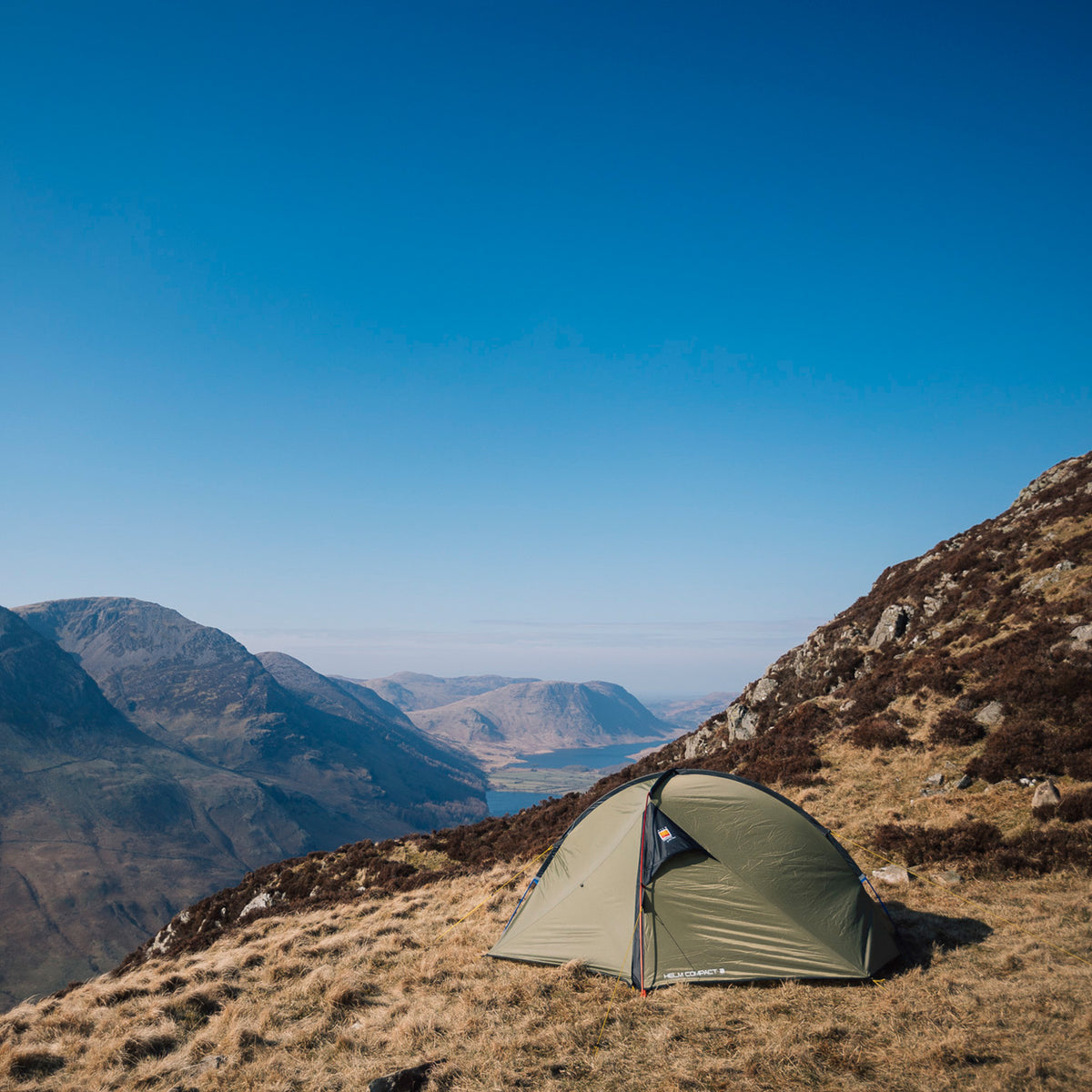
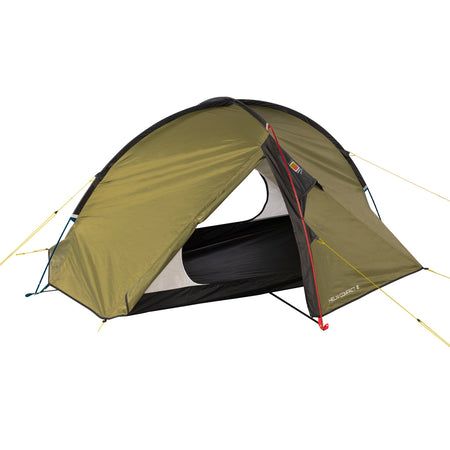
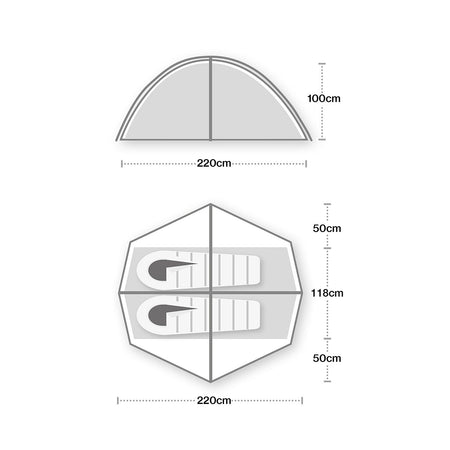
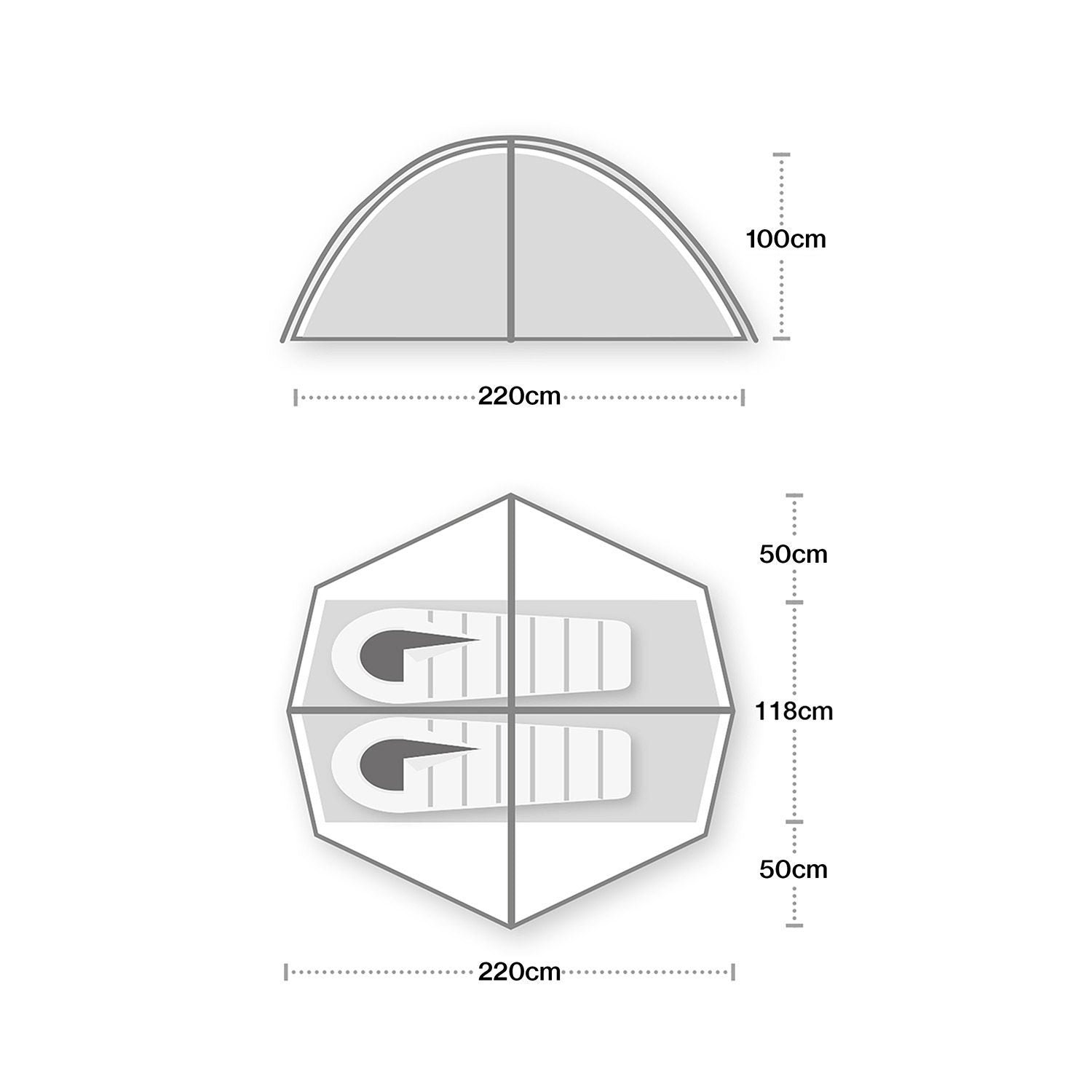
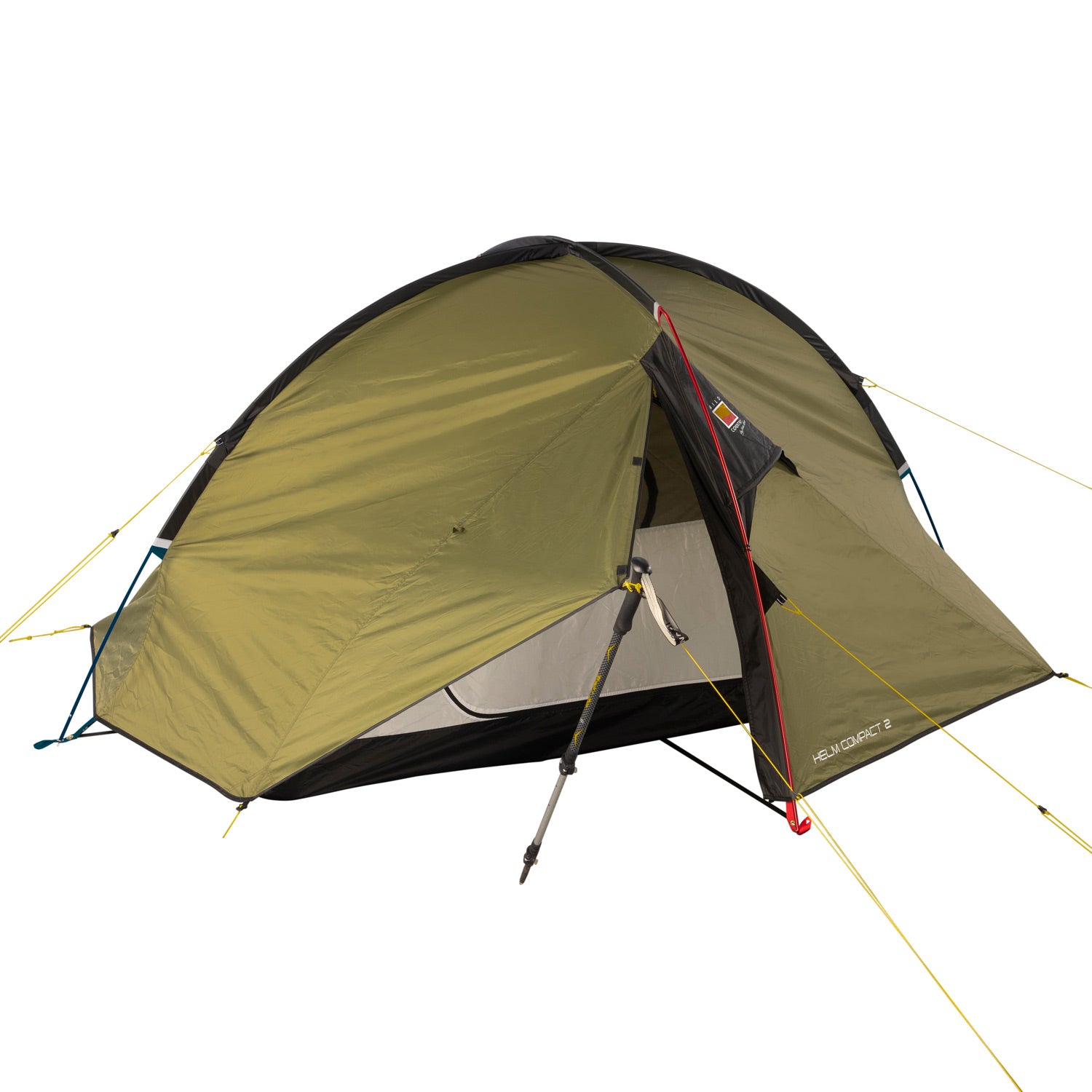
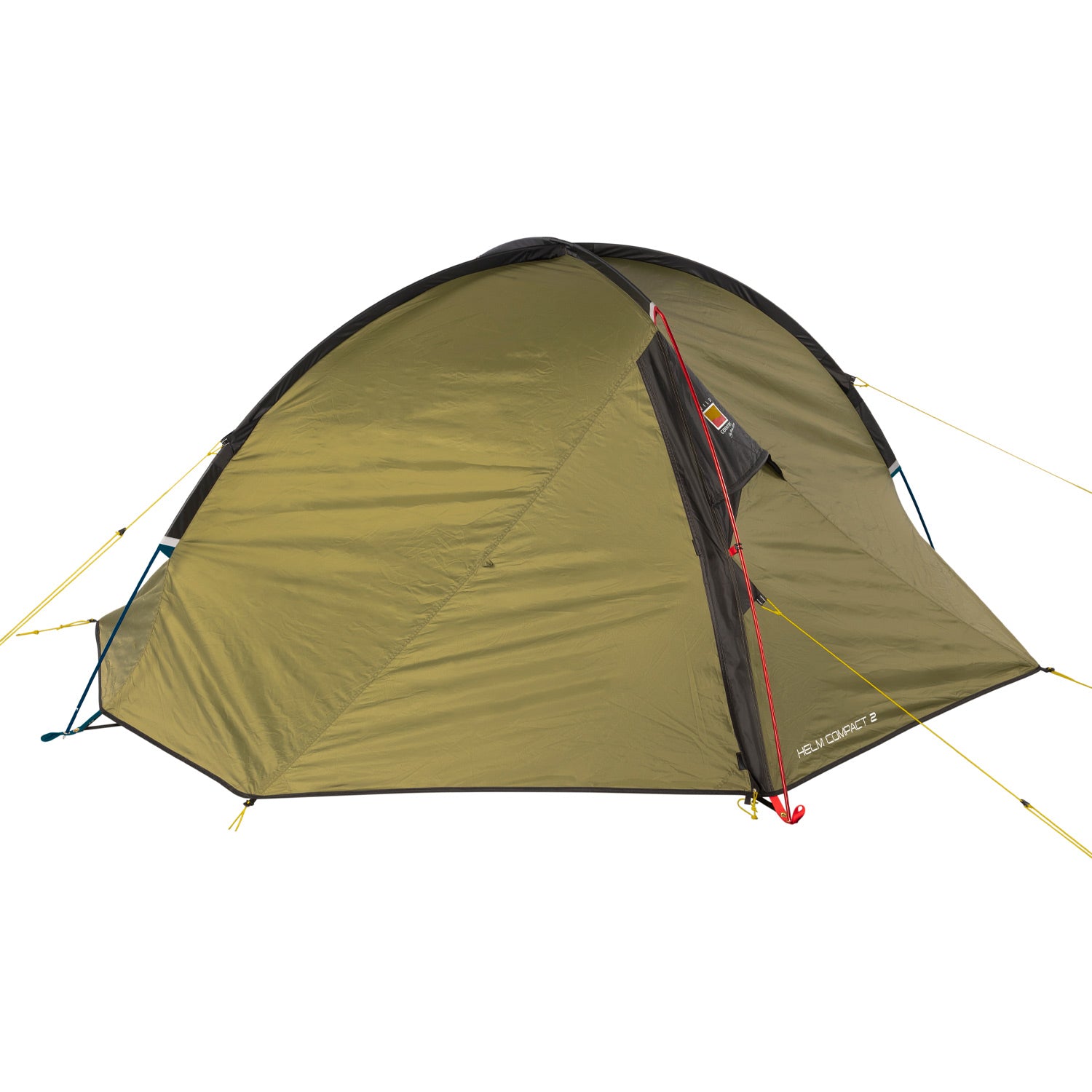
| Wild Country Helm Compact 2 | Best for UK backpacking | 2.35kg | 32 × 17cm | 4,000mm | Year-round versatility |
| Robens Aster Pro 2 | Best lightweight value | 2.30kg | 42 × 17cm | 4,000mm | Value-focused pairs |
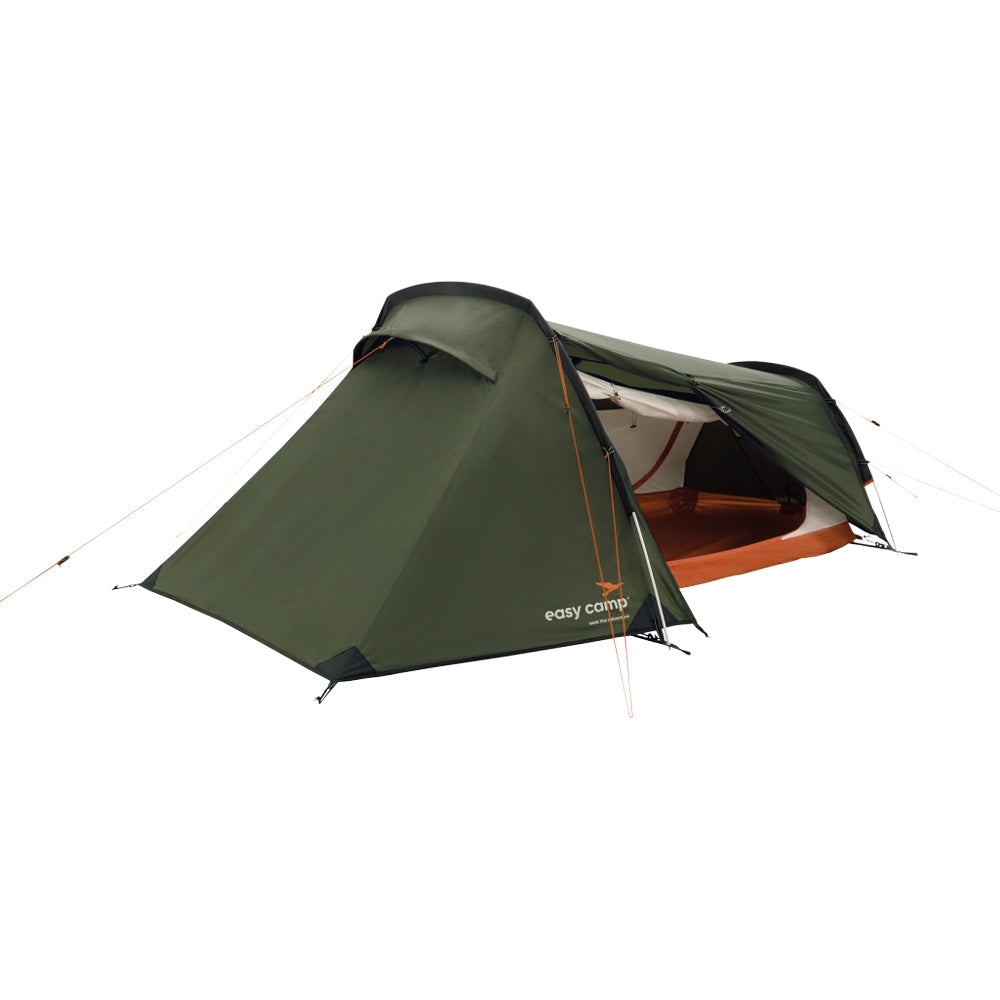
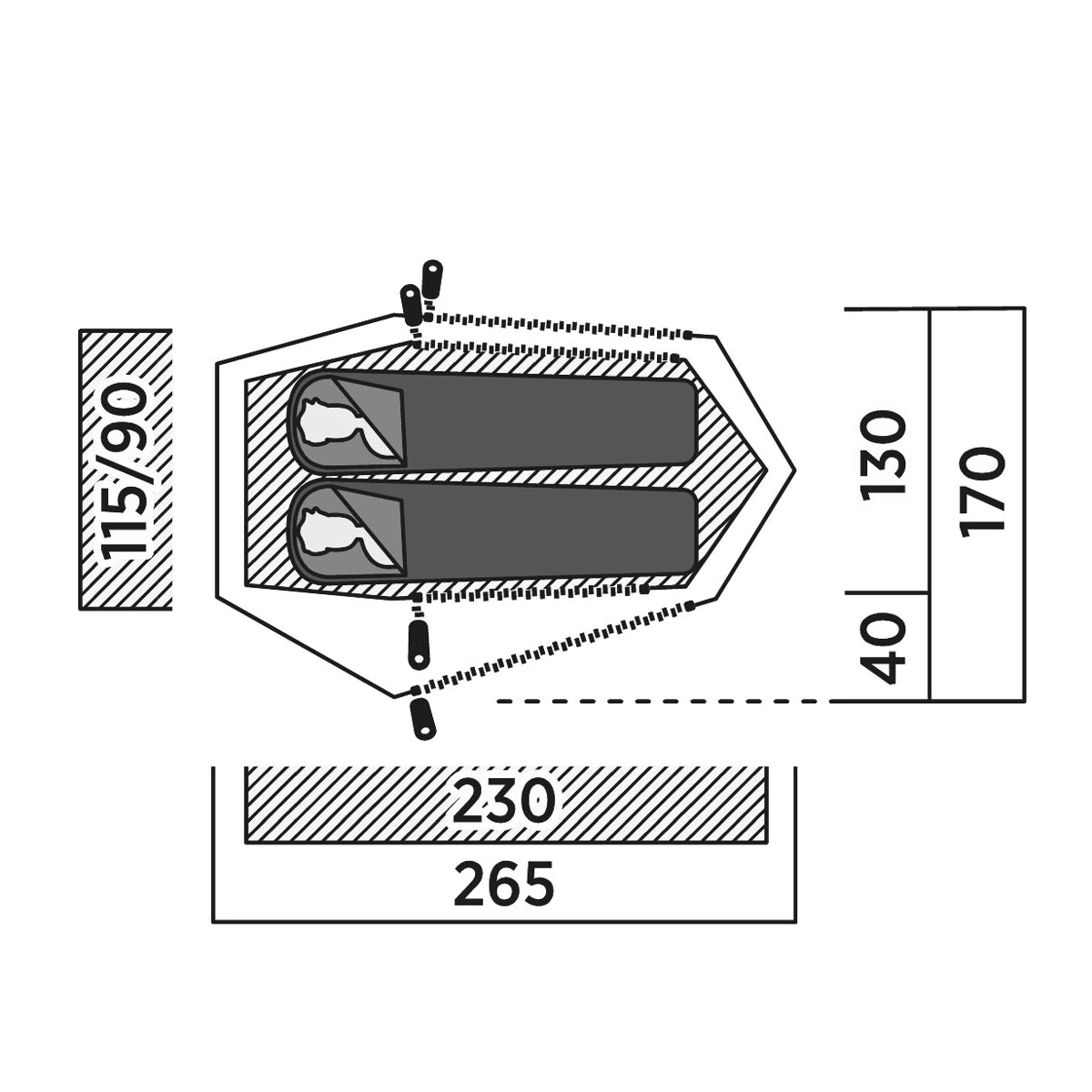
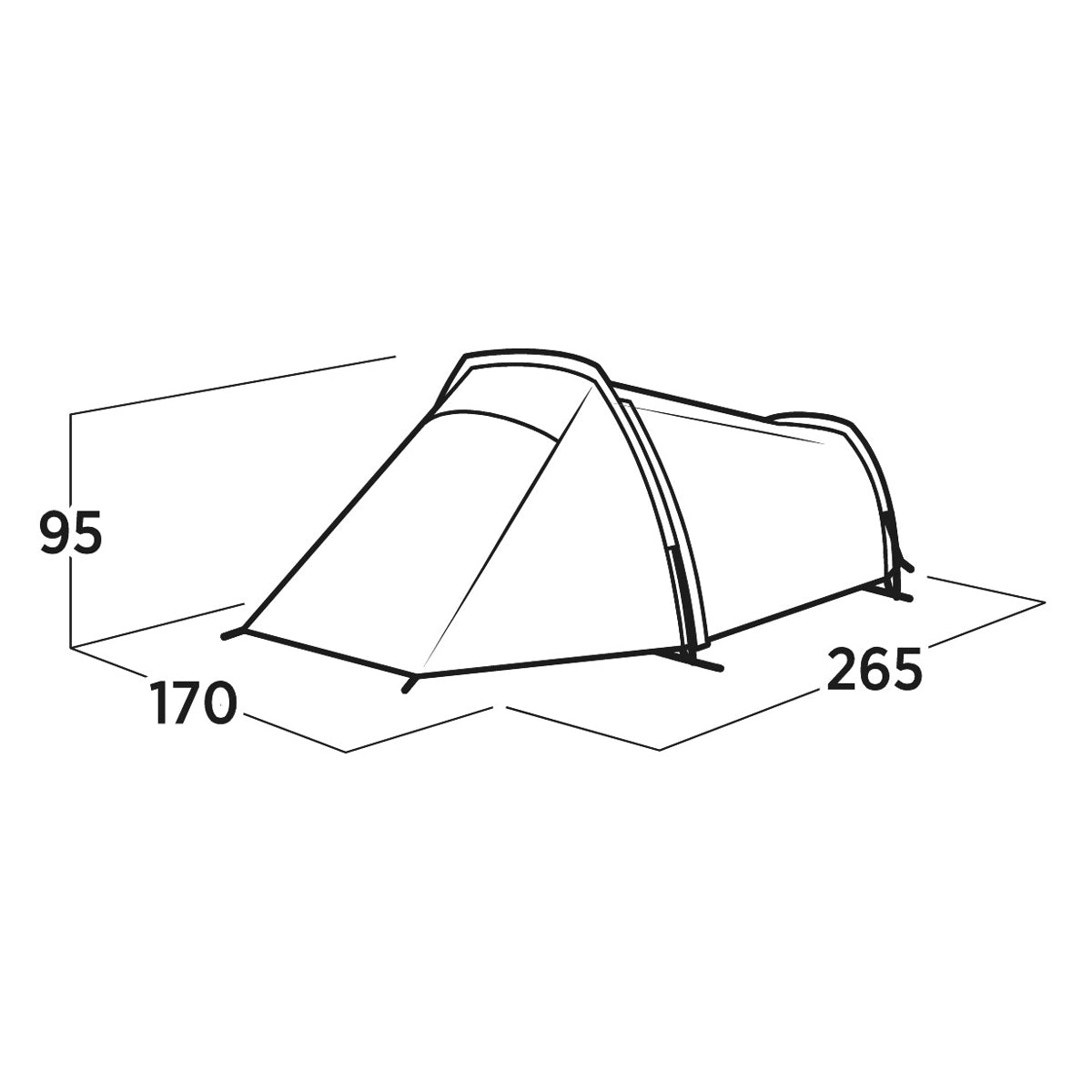
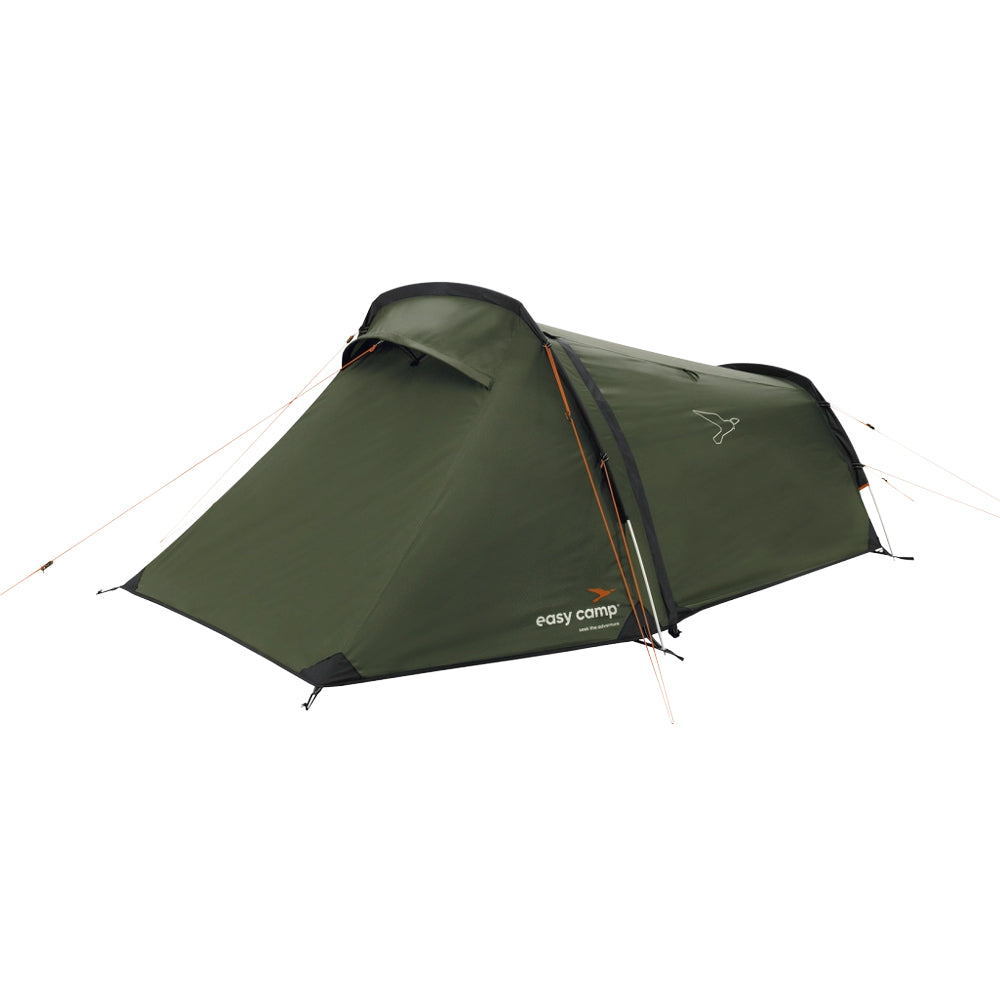
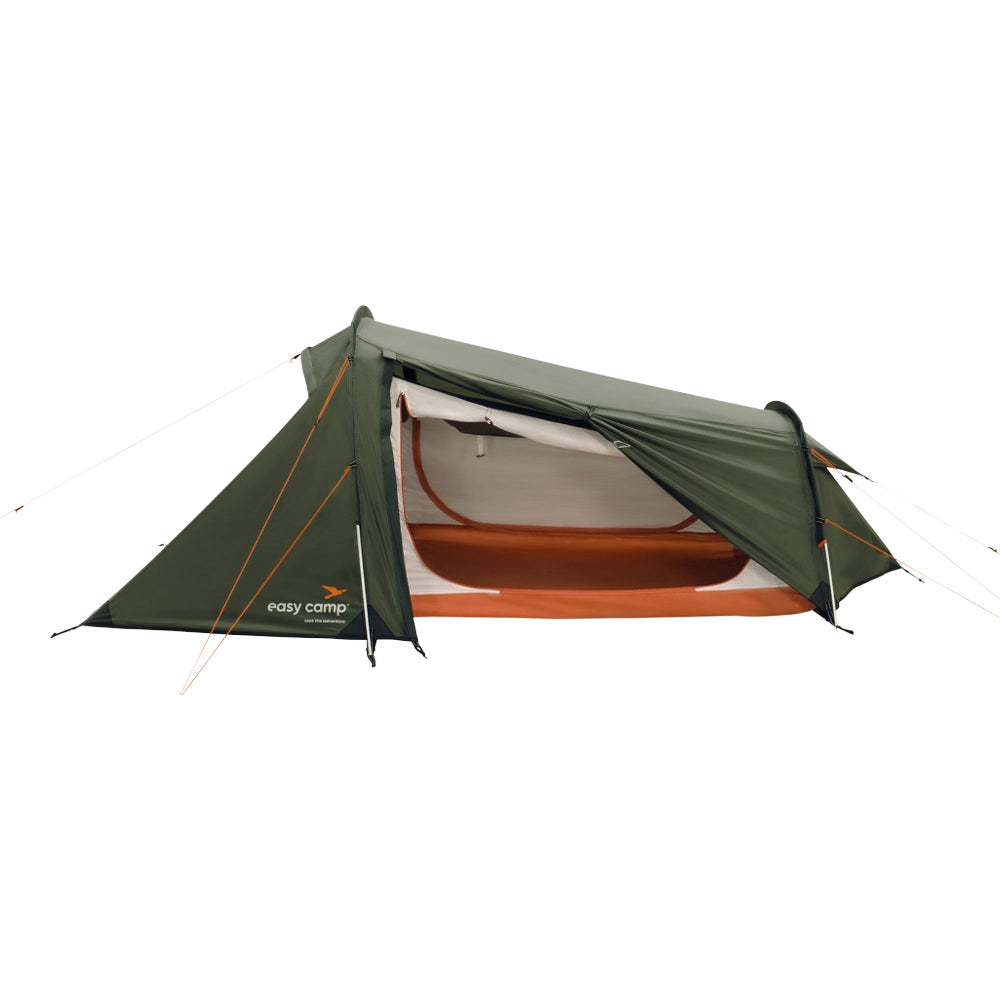
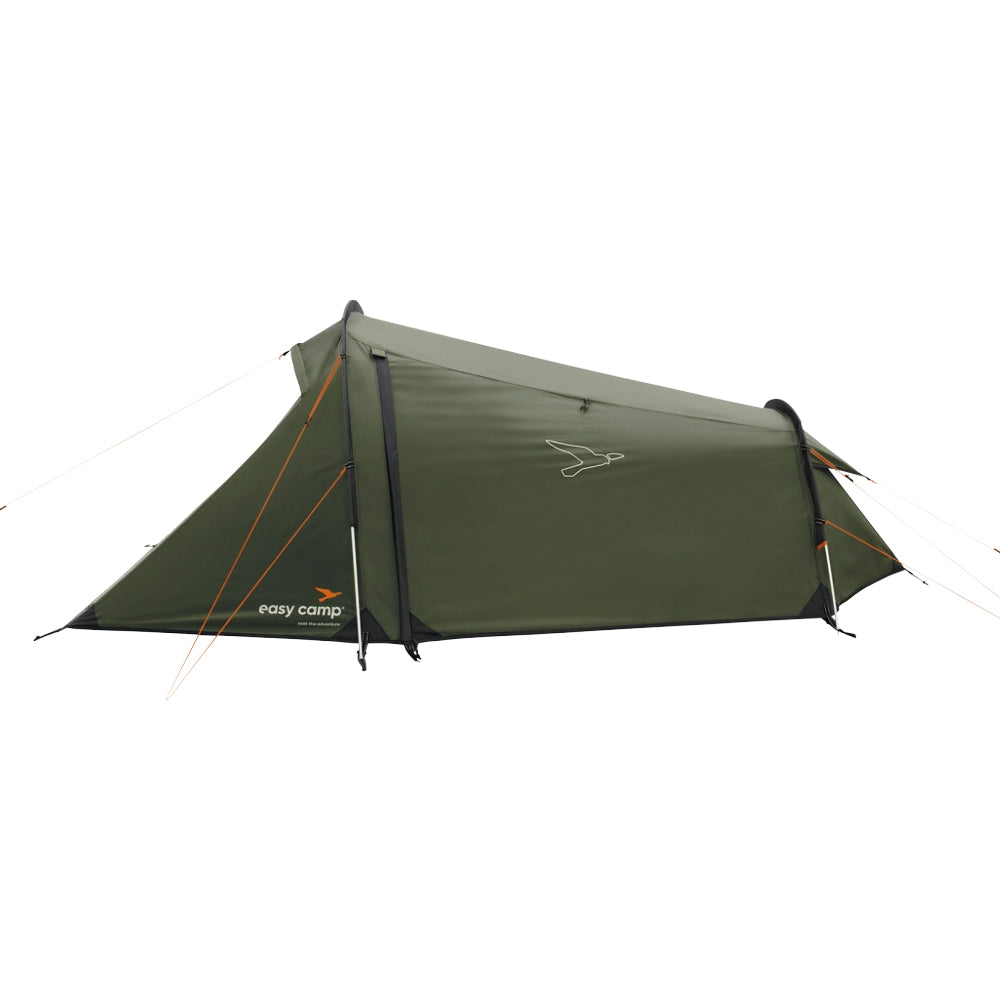
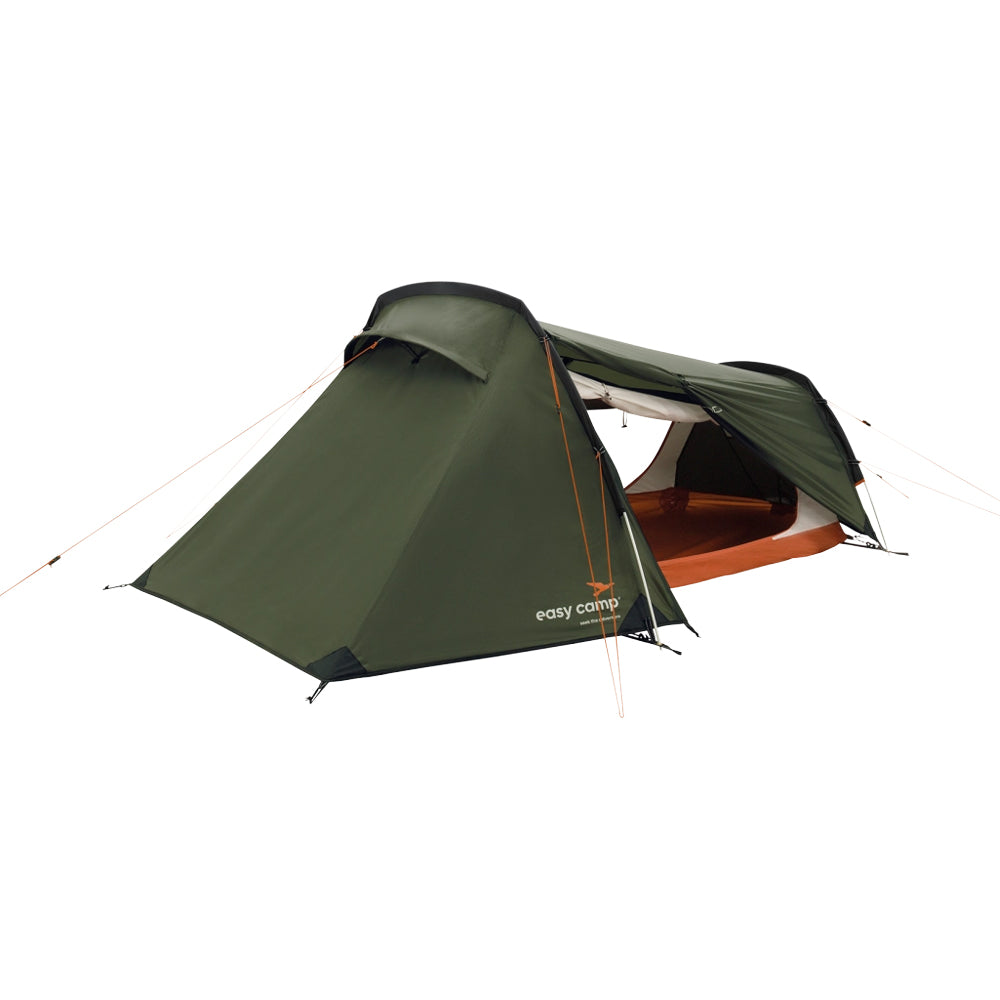
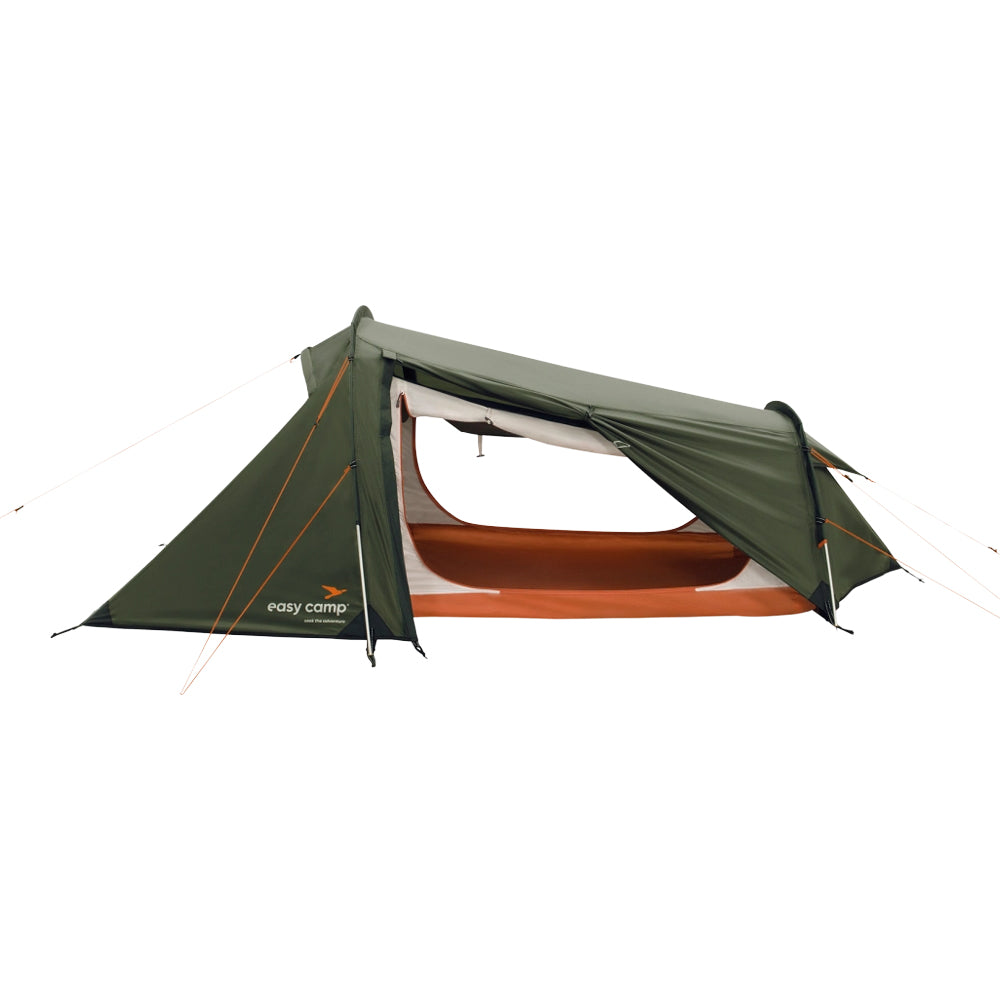
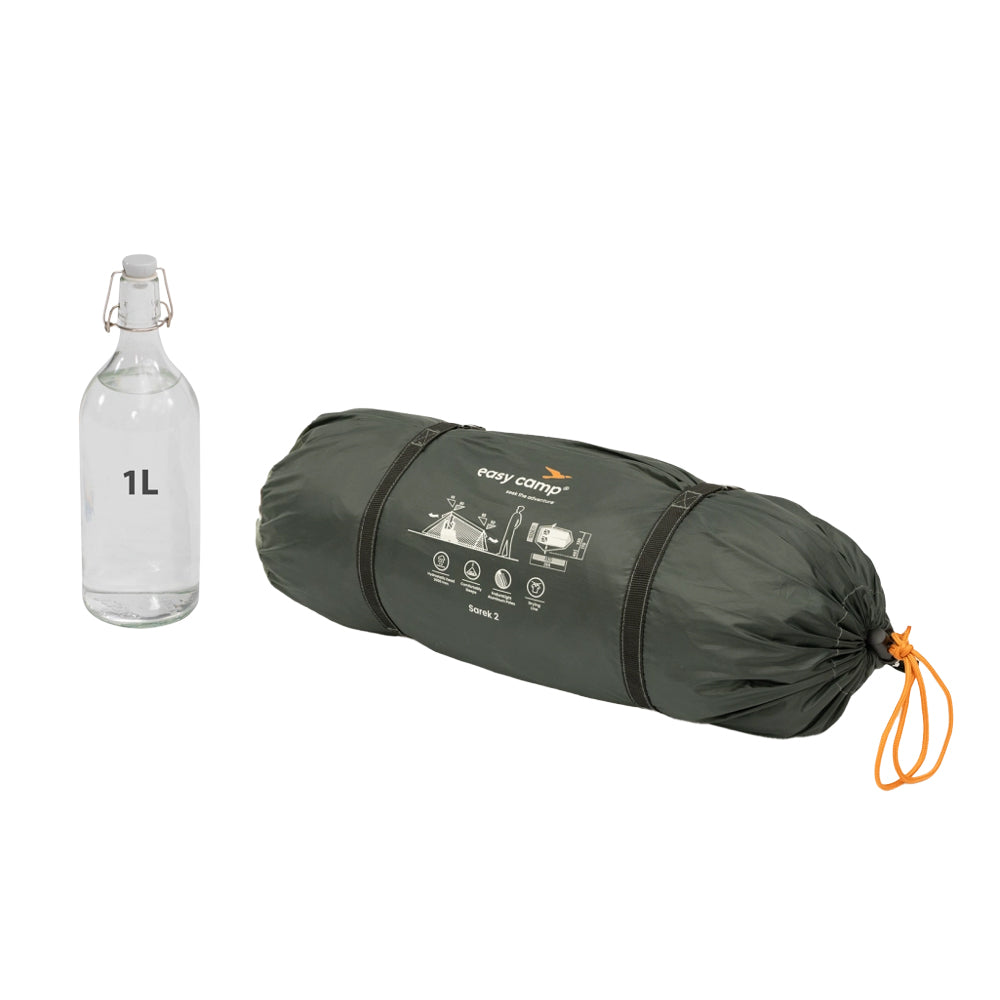
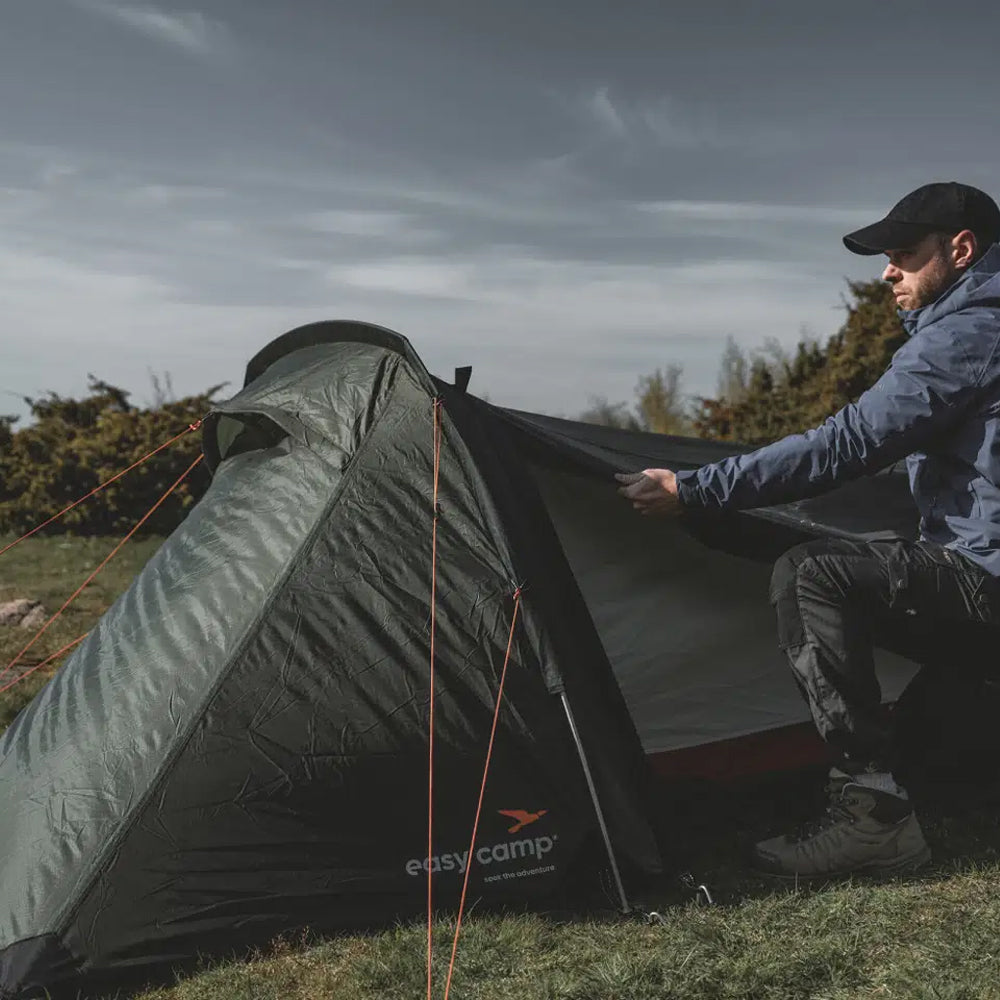
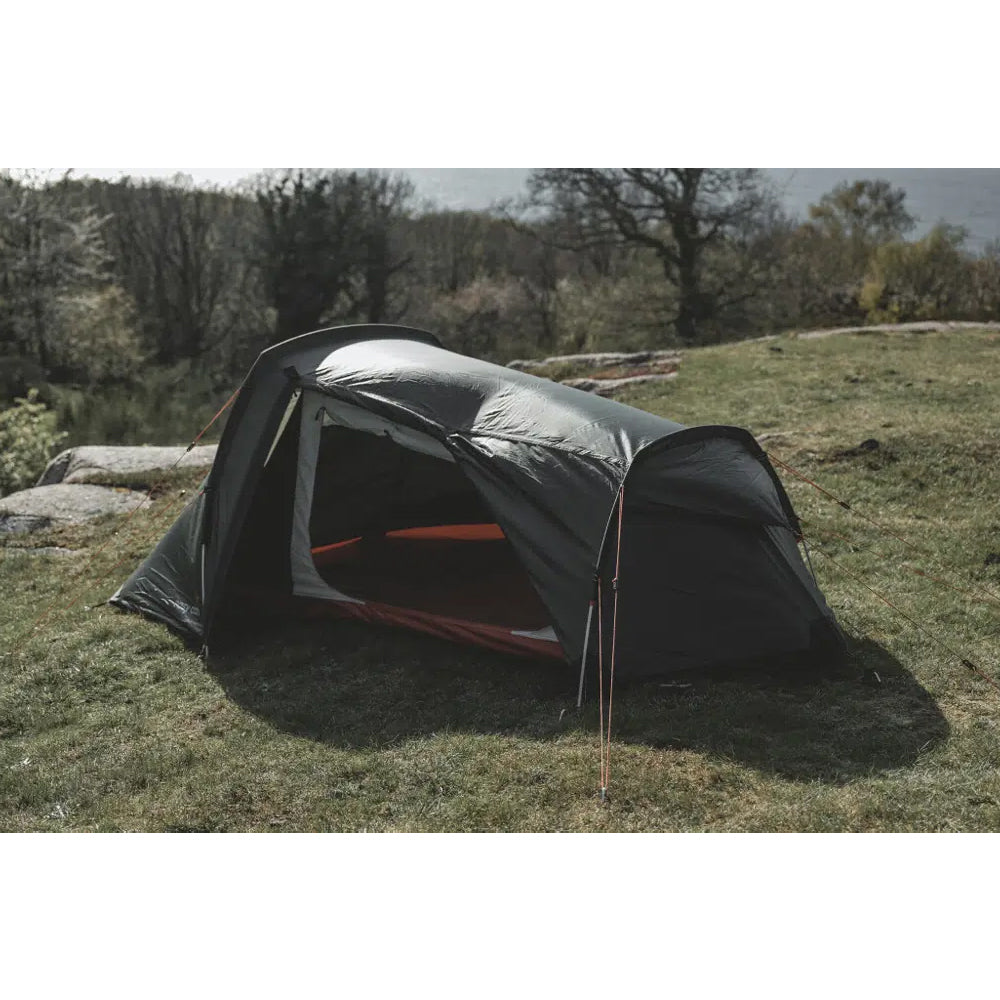
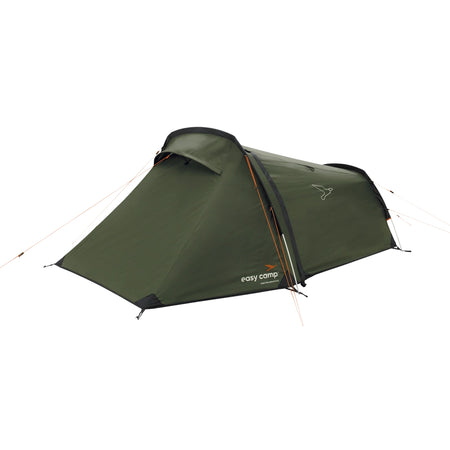
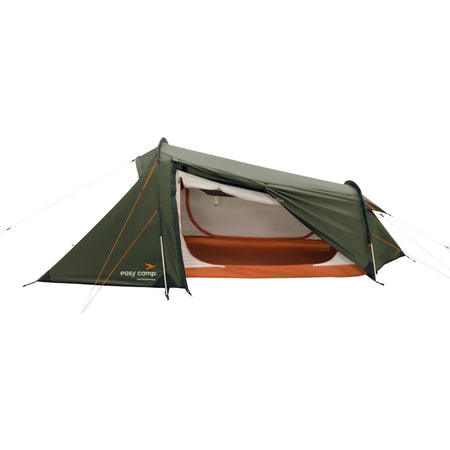
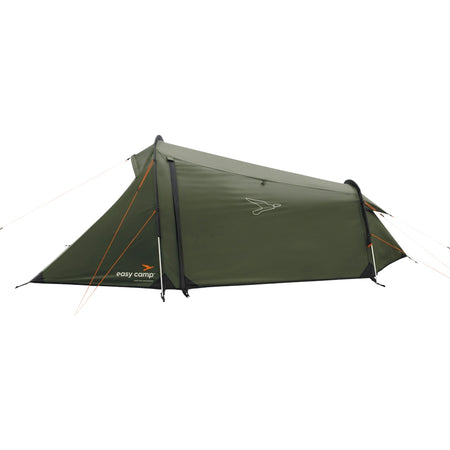
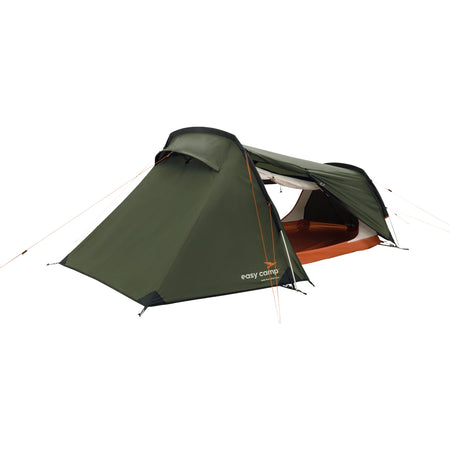
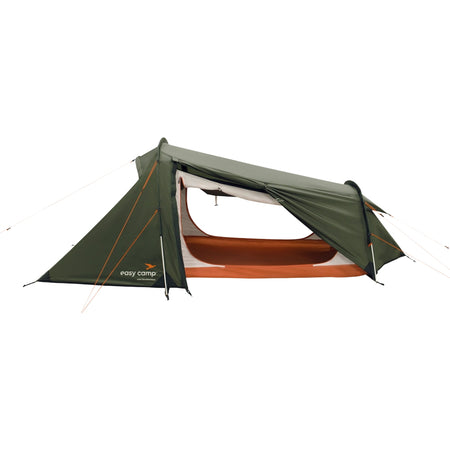
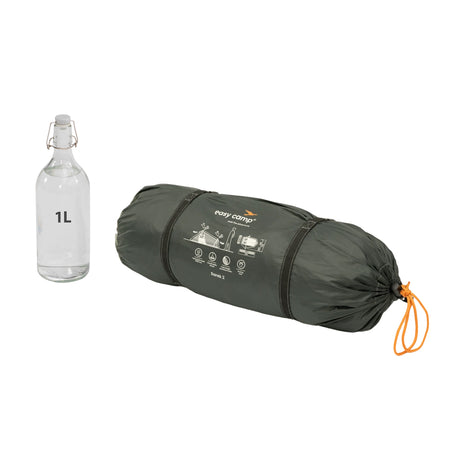
| Easy Camp Sarek 2 | Best budget backpacking tent | 2.20kg | 46 × 12cm | 3,000mm | Occasional trips |
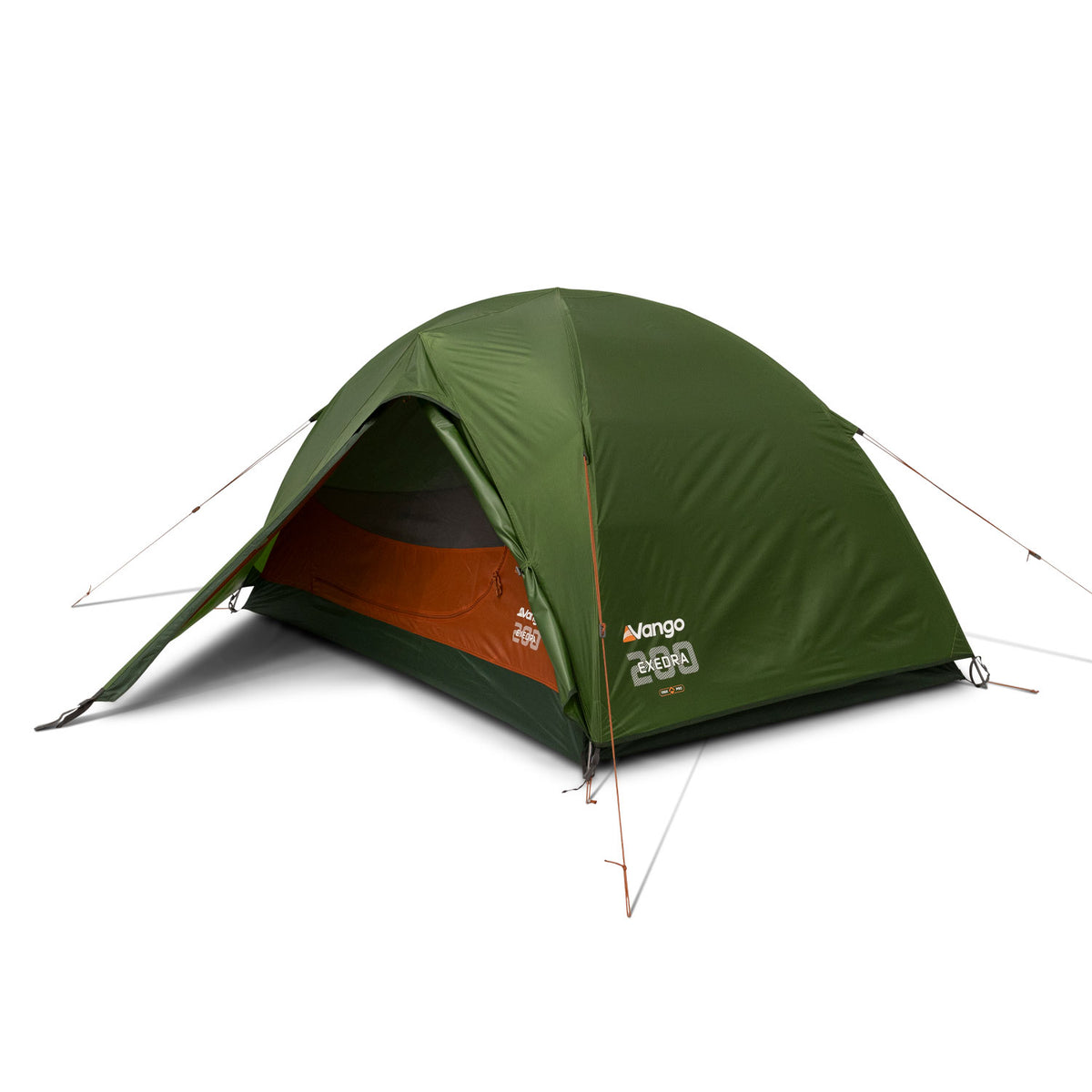
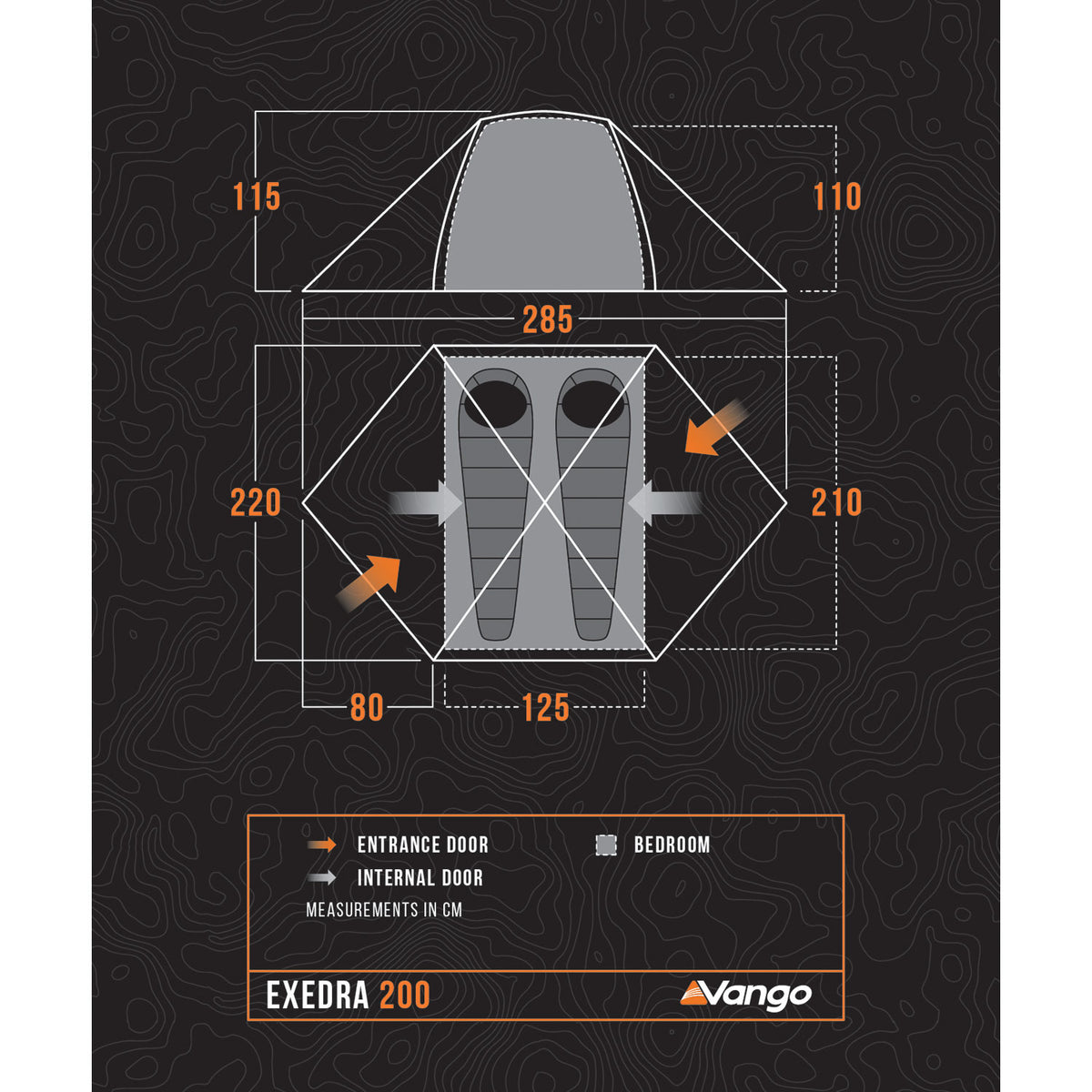
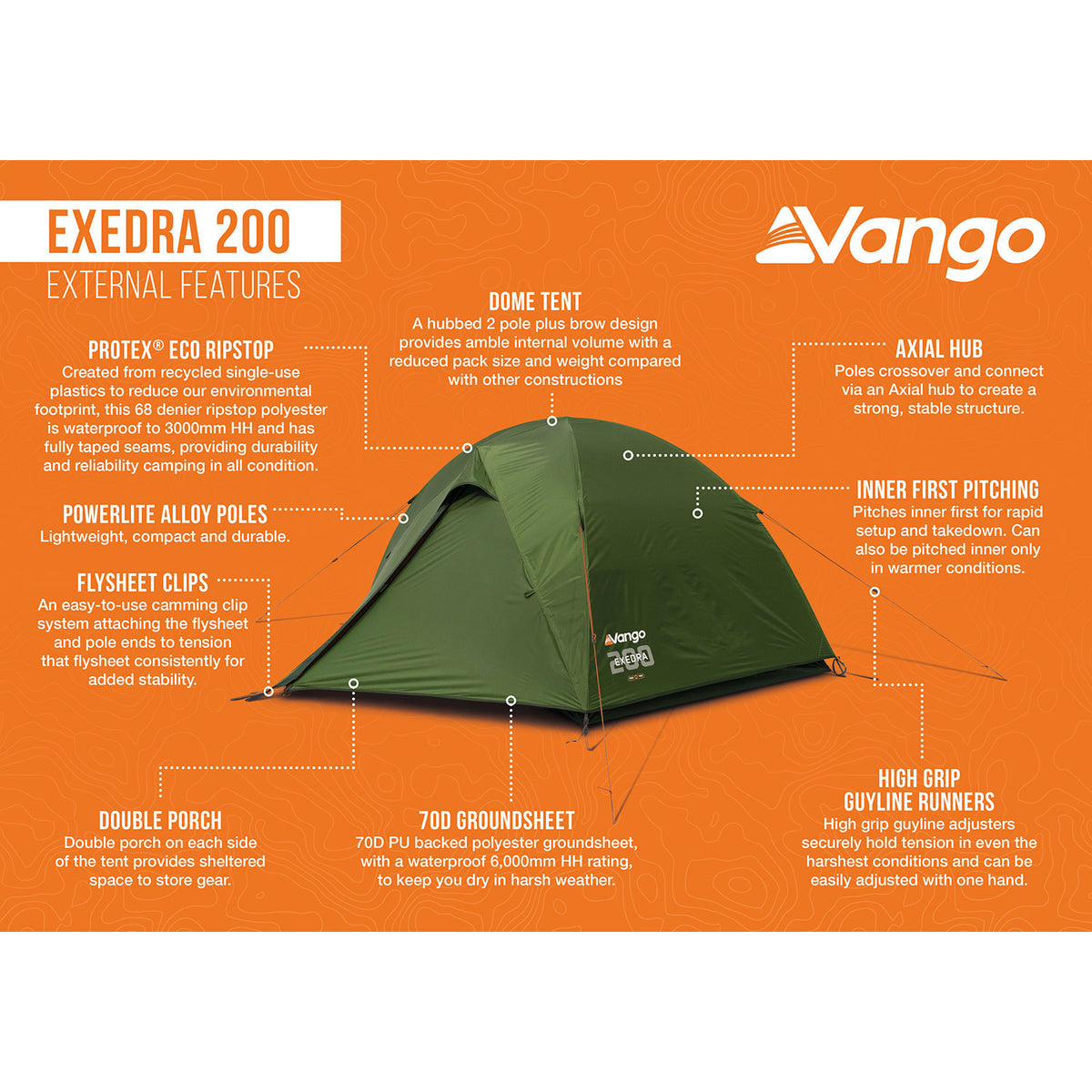
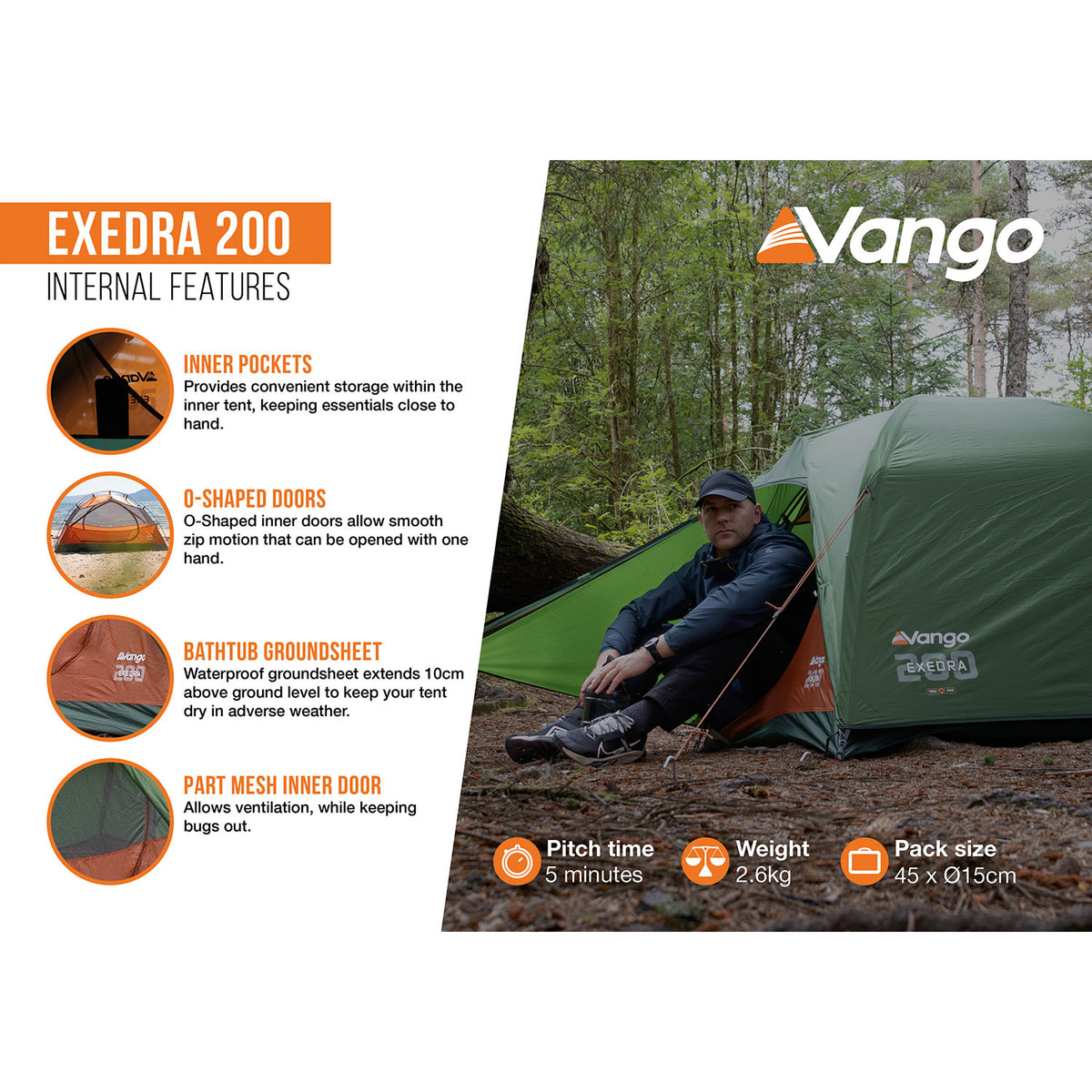
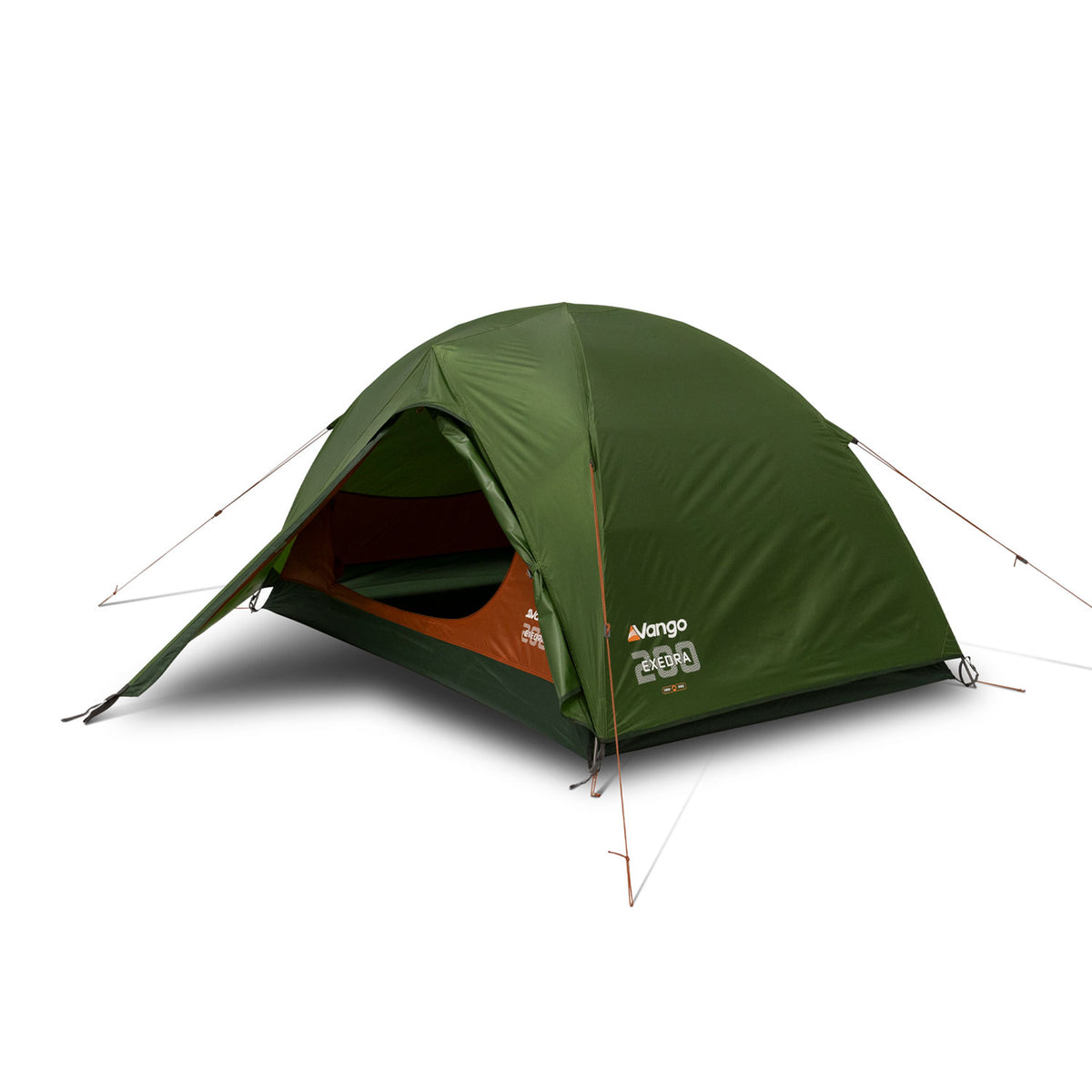
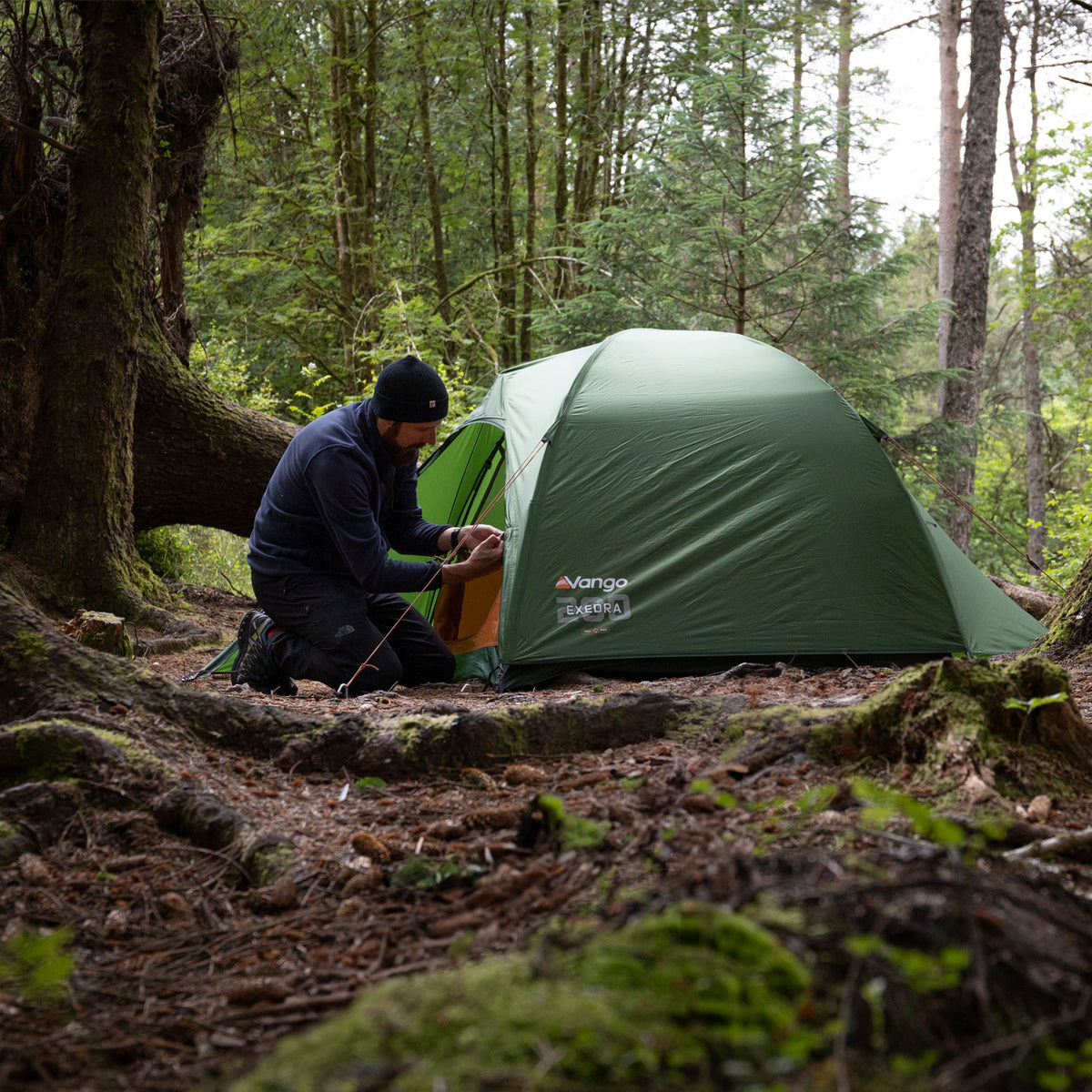
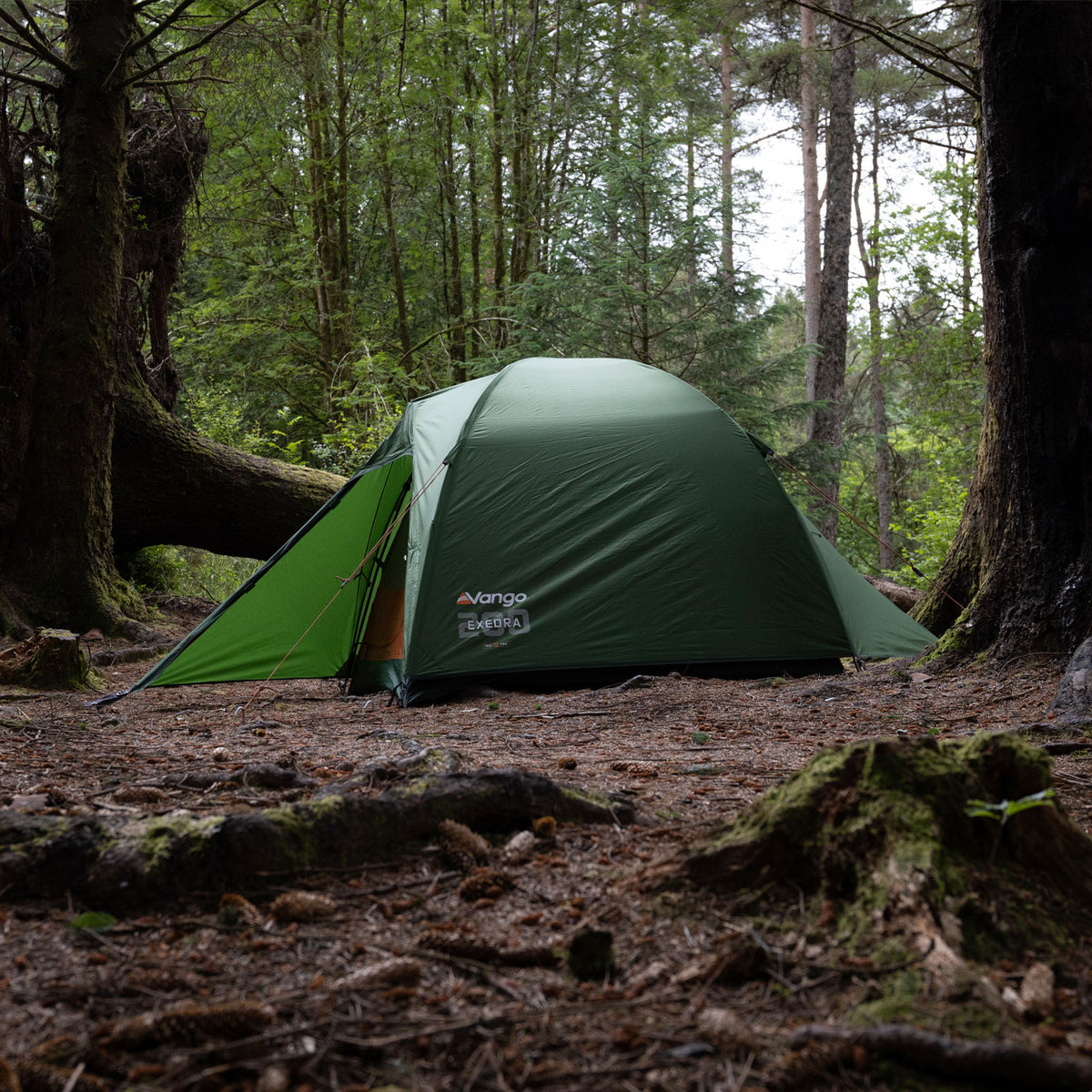
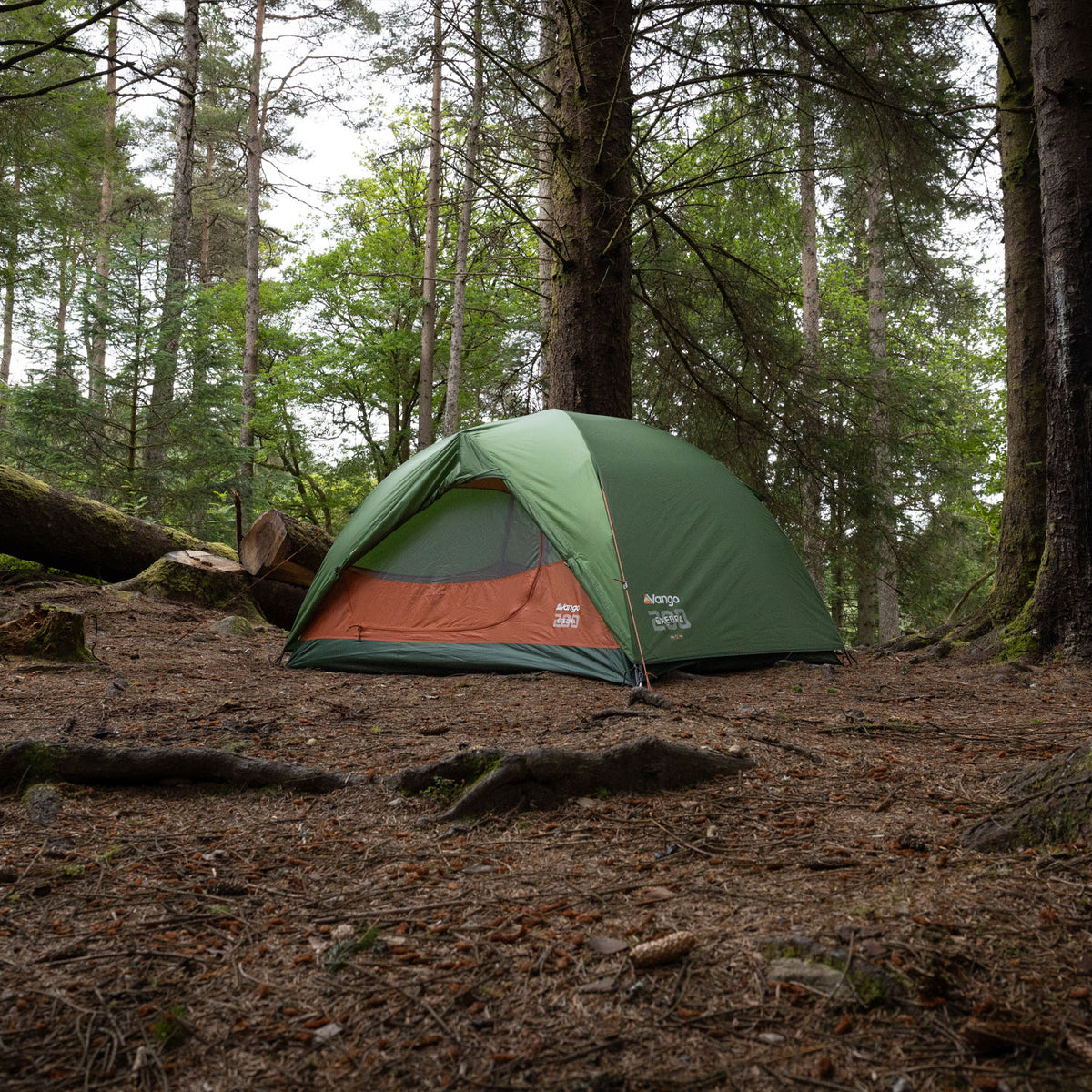
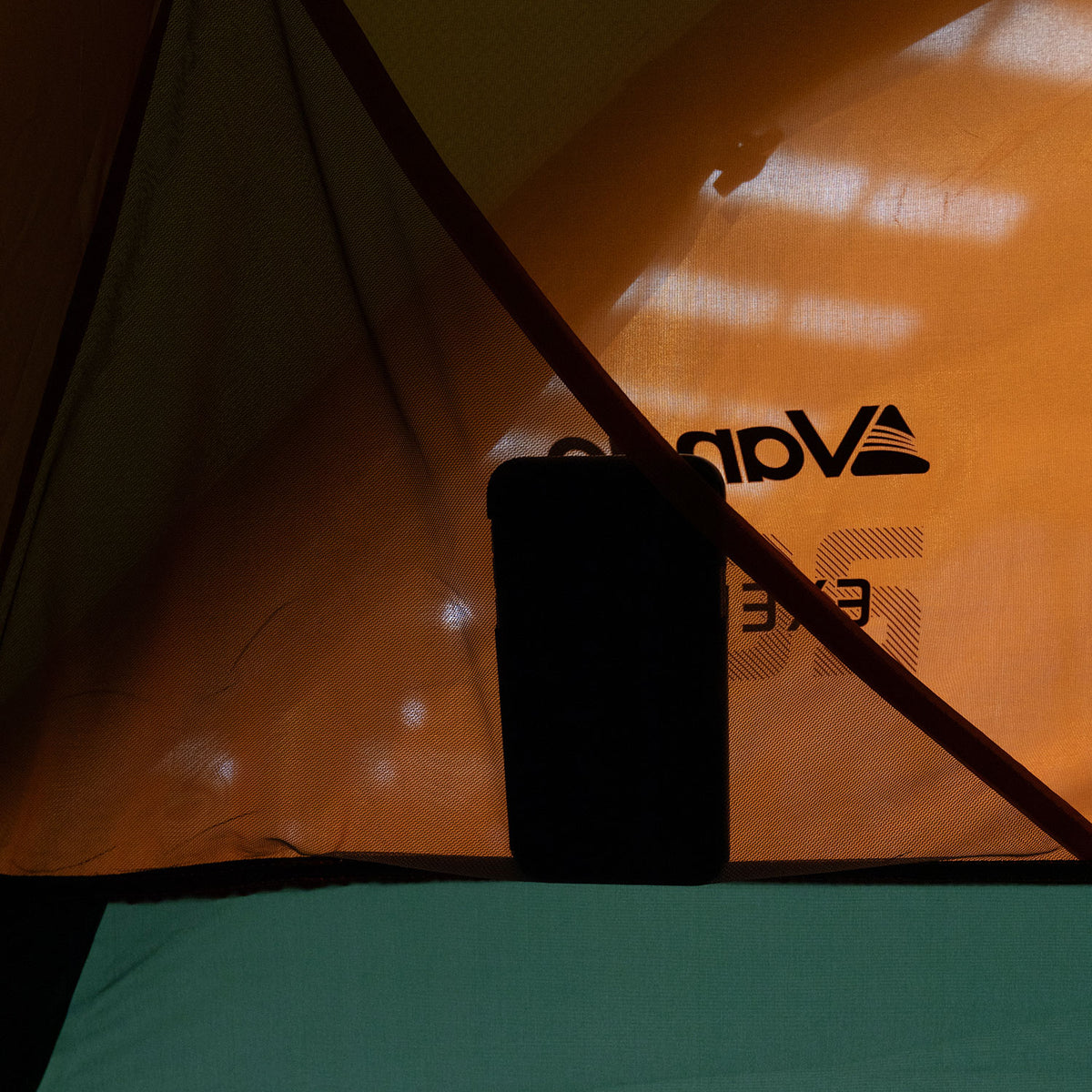
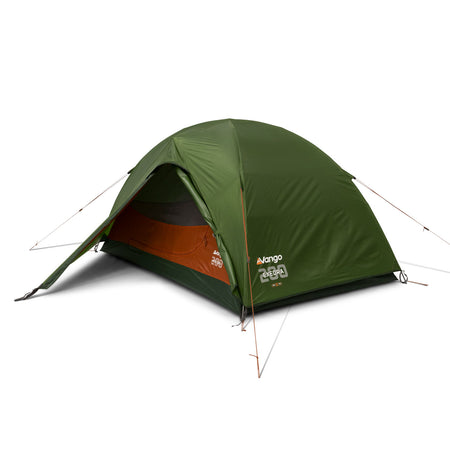
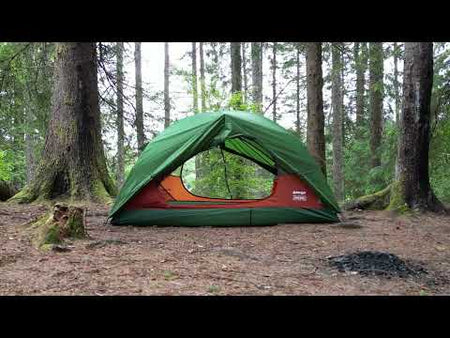
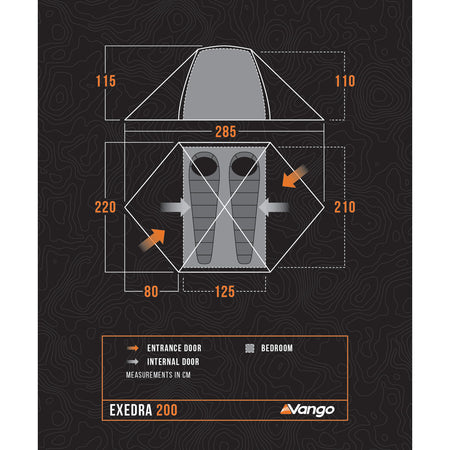
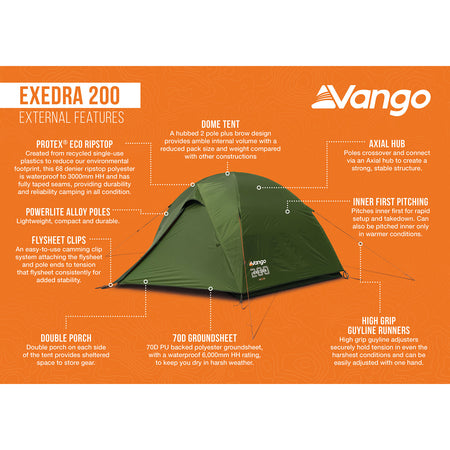
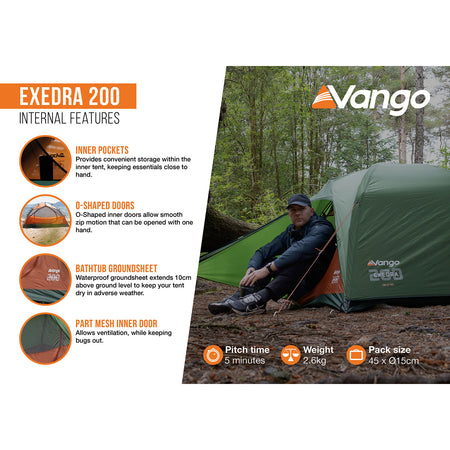
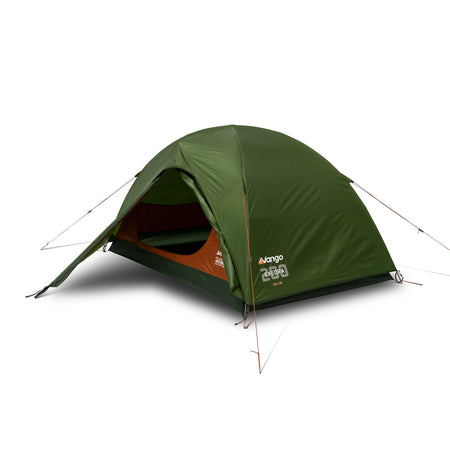
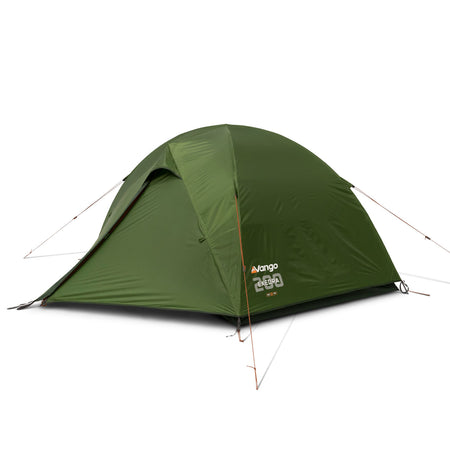
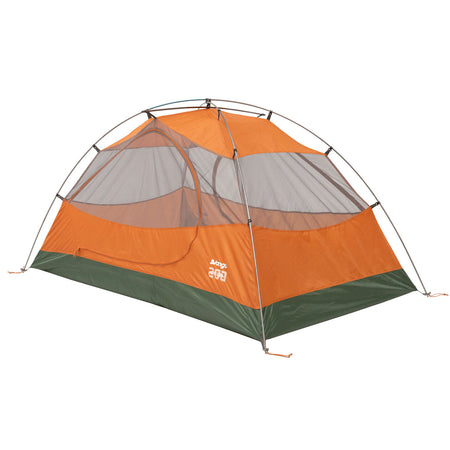
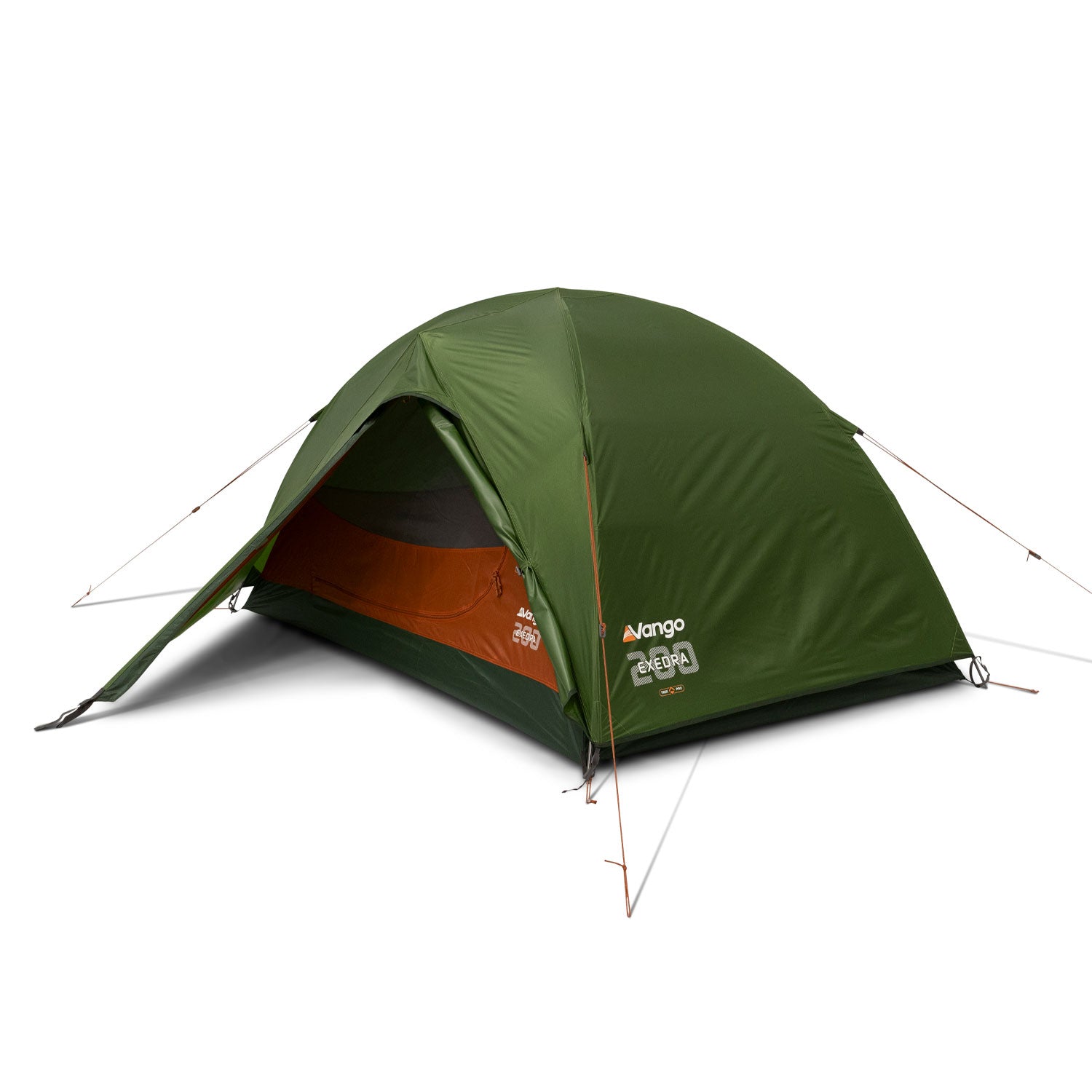
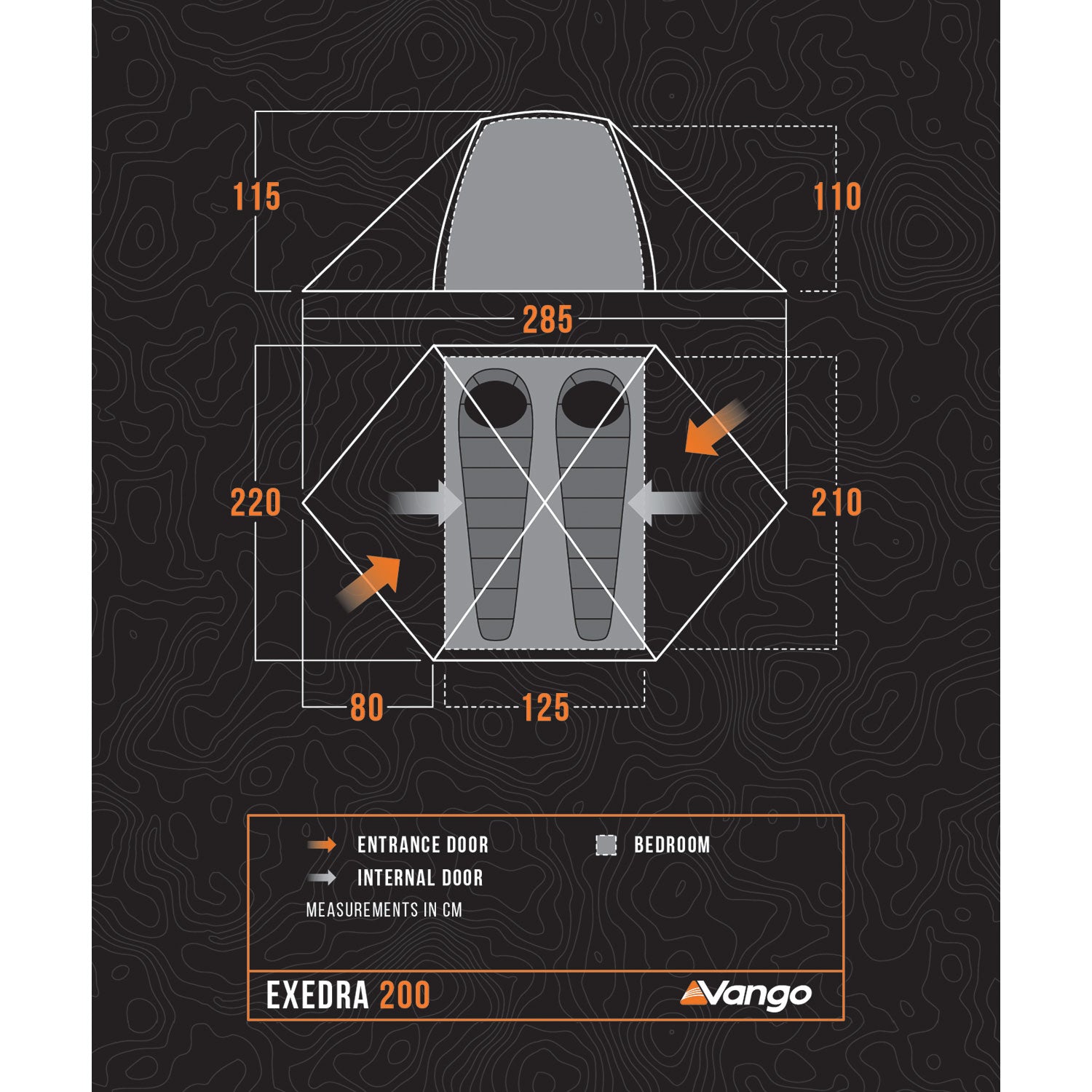
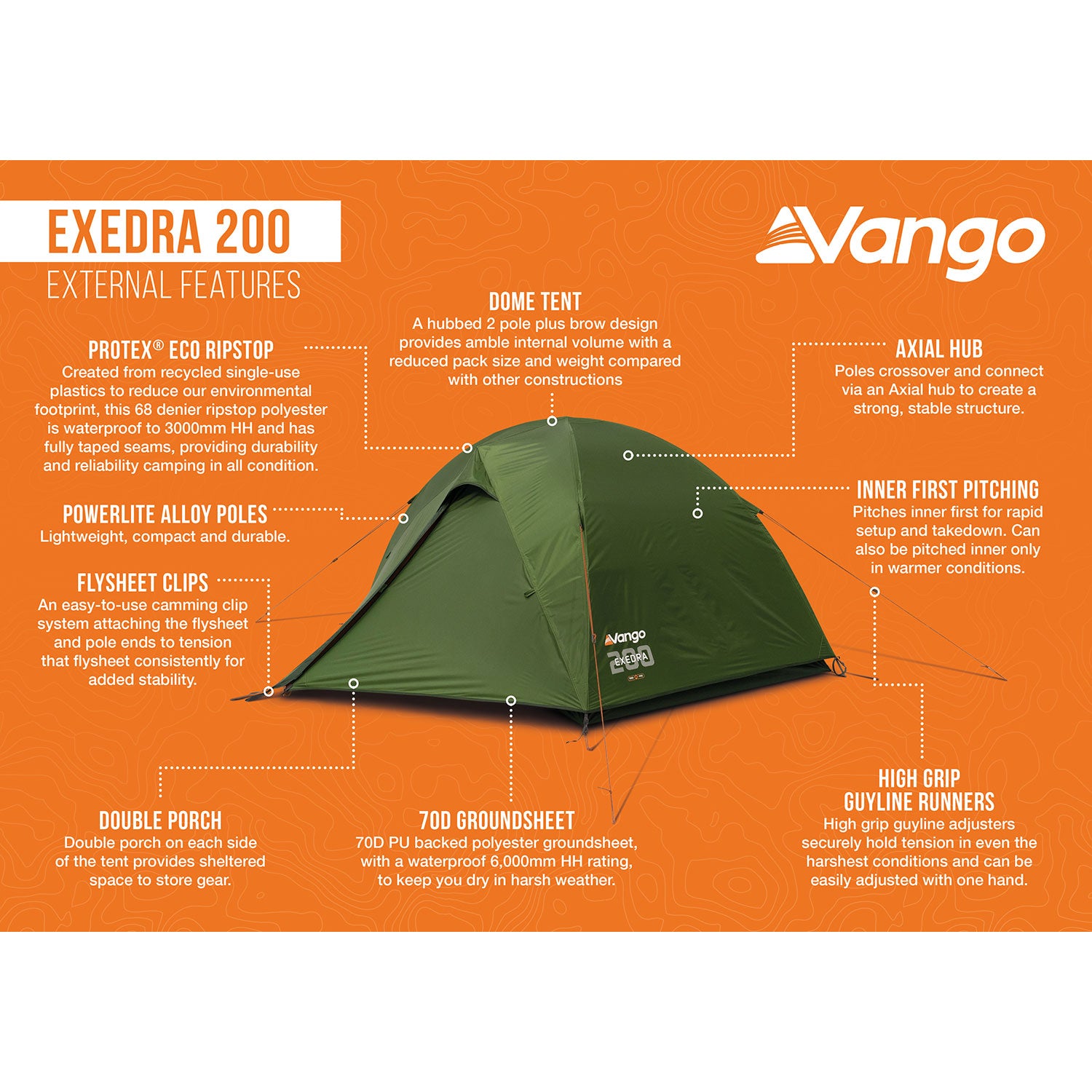
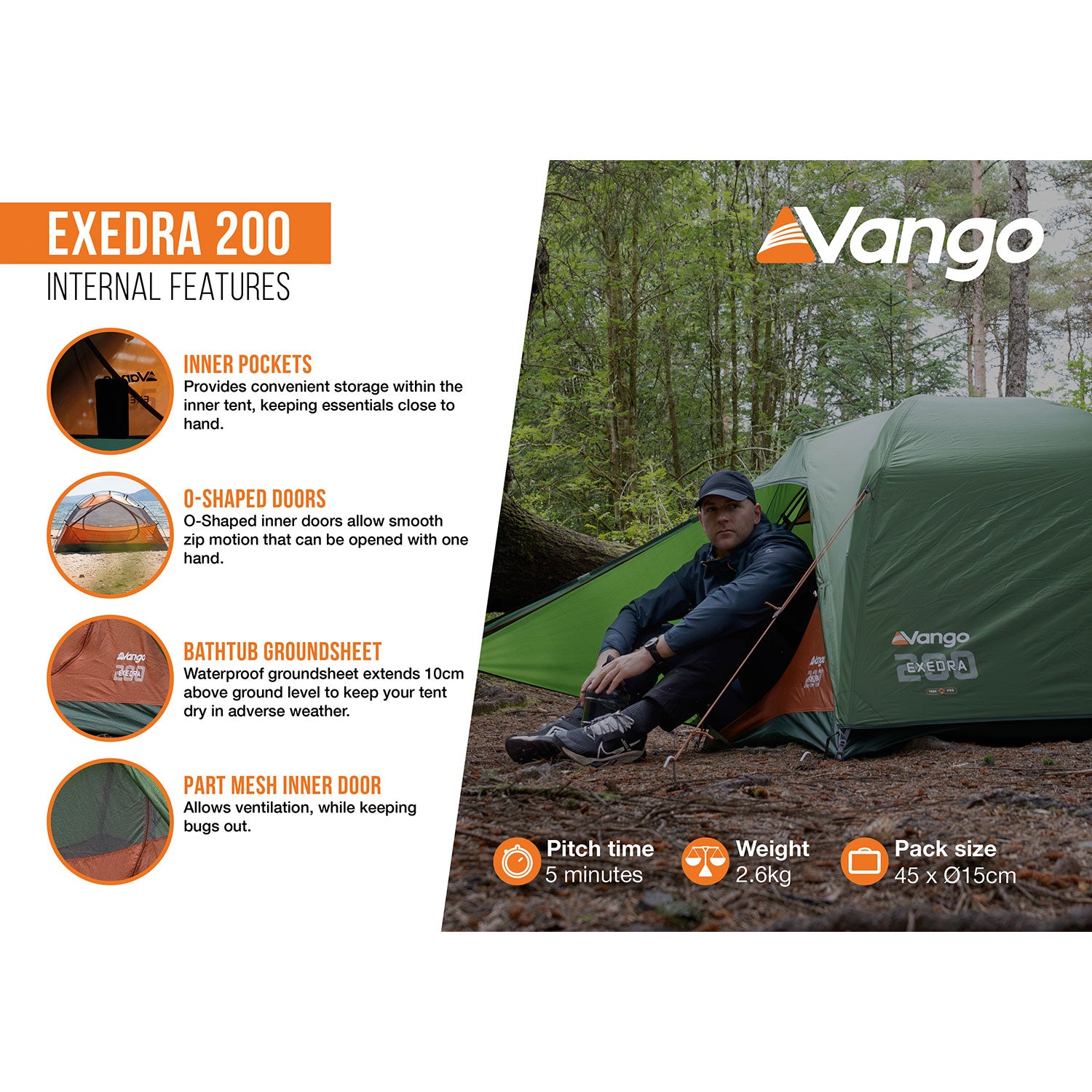
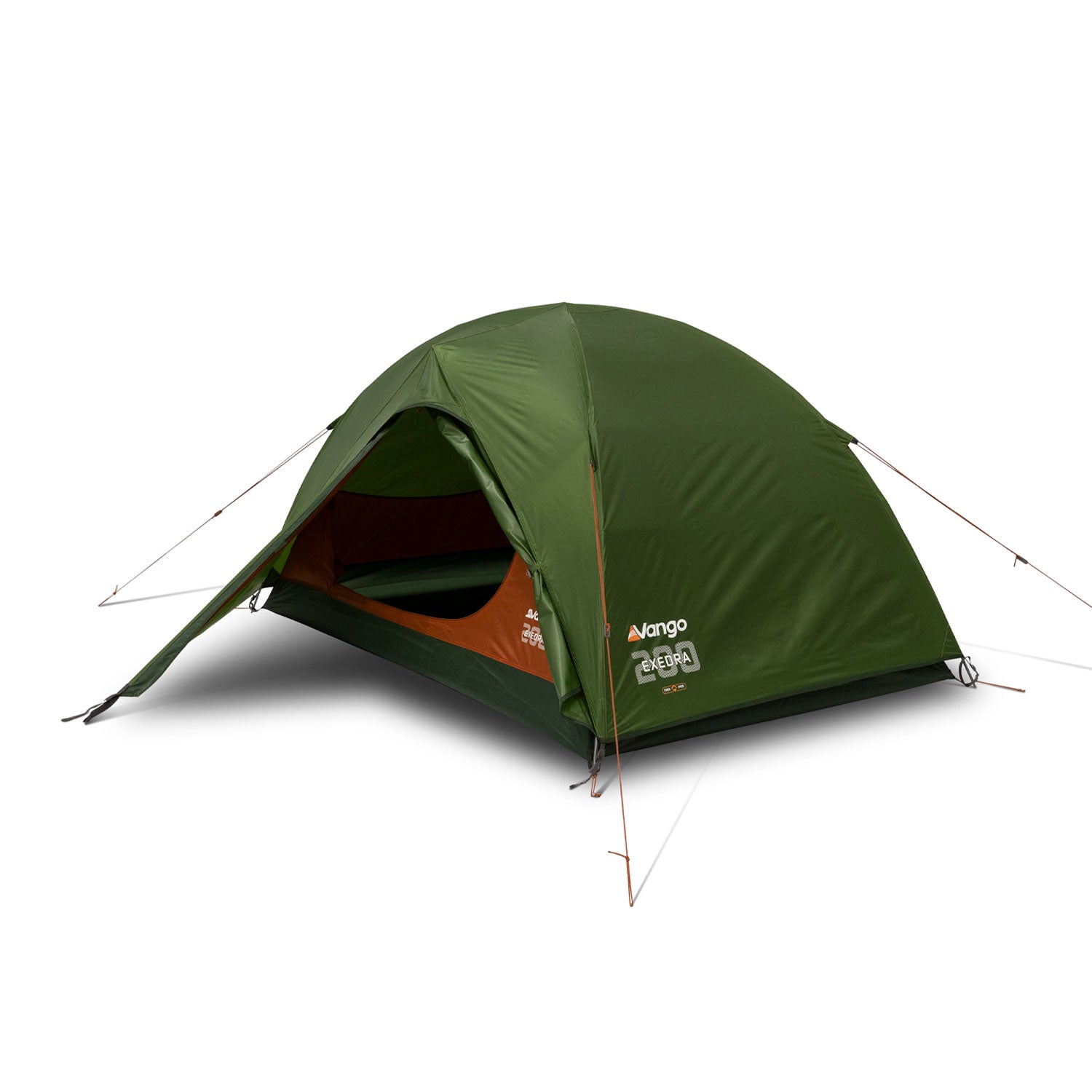
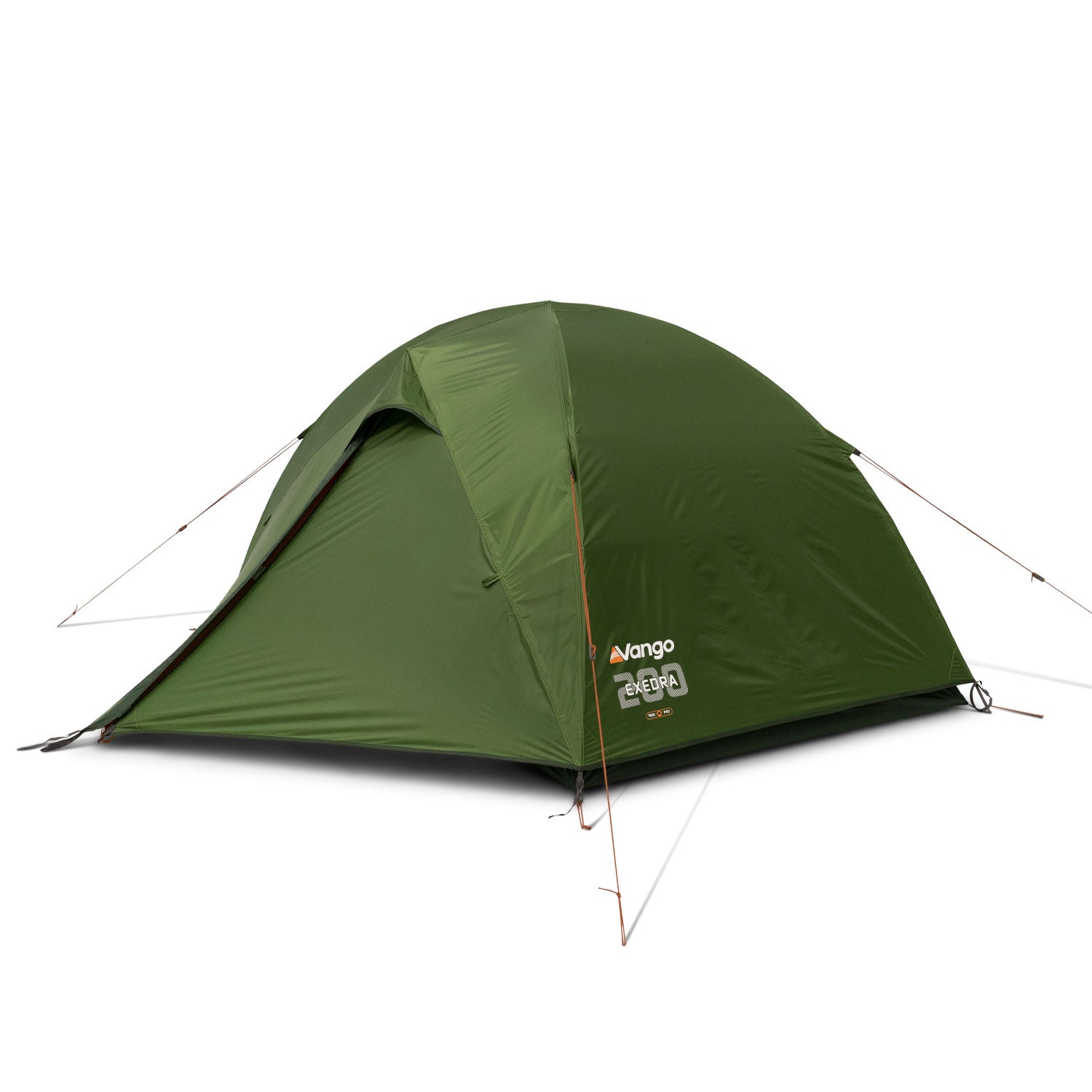
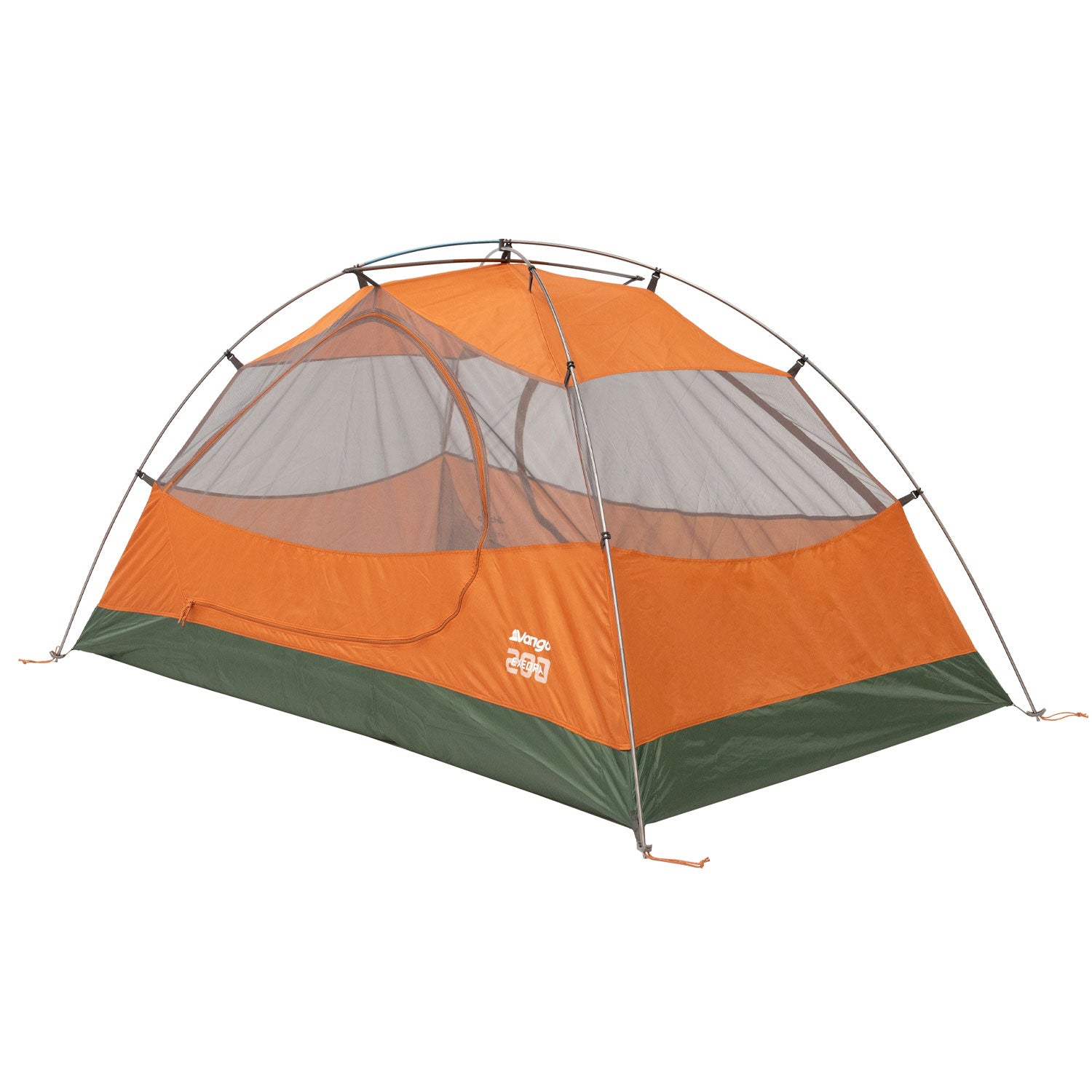
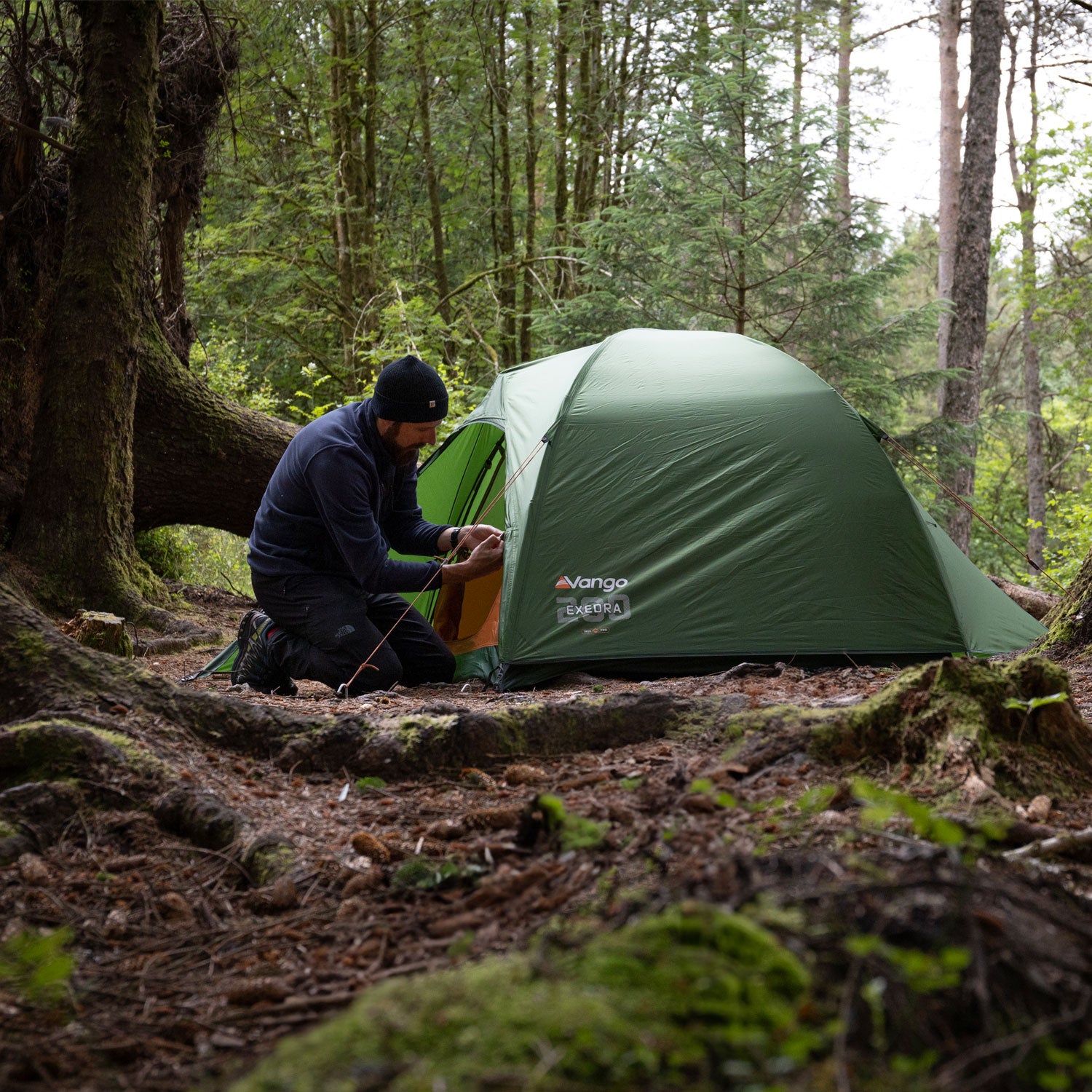
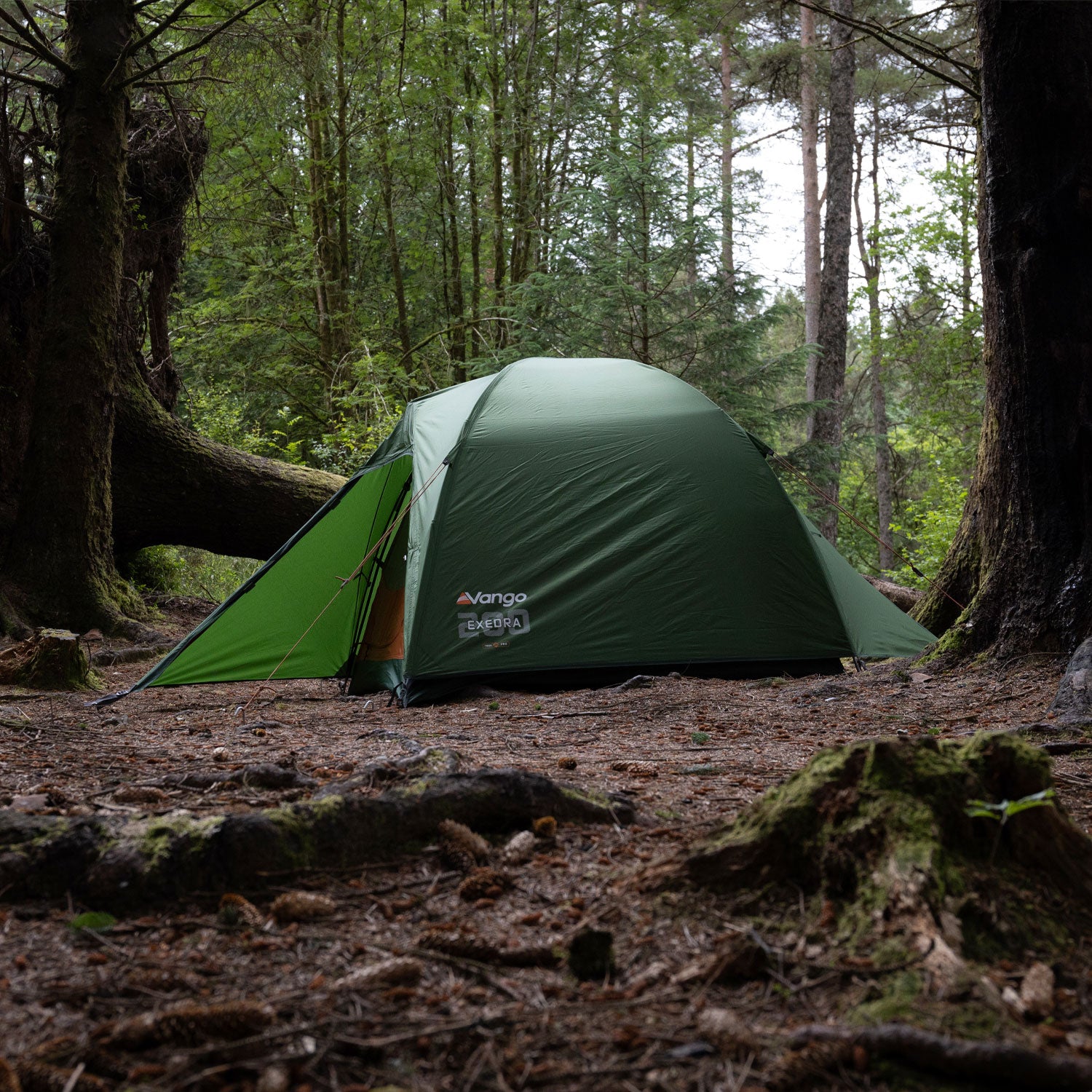
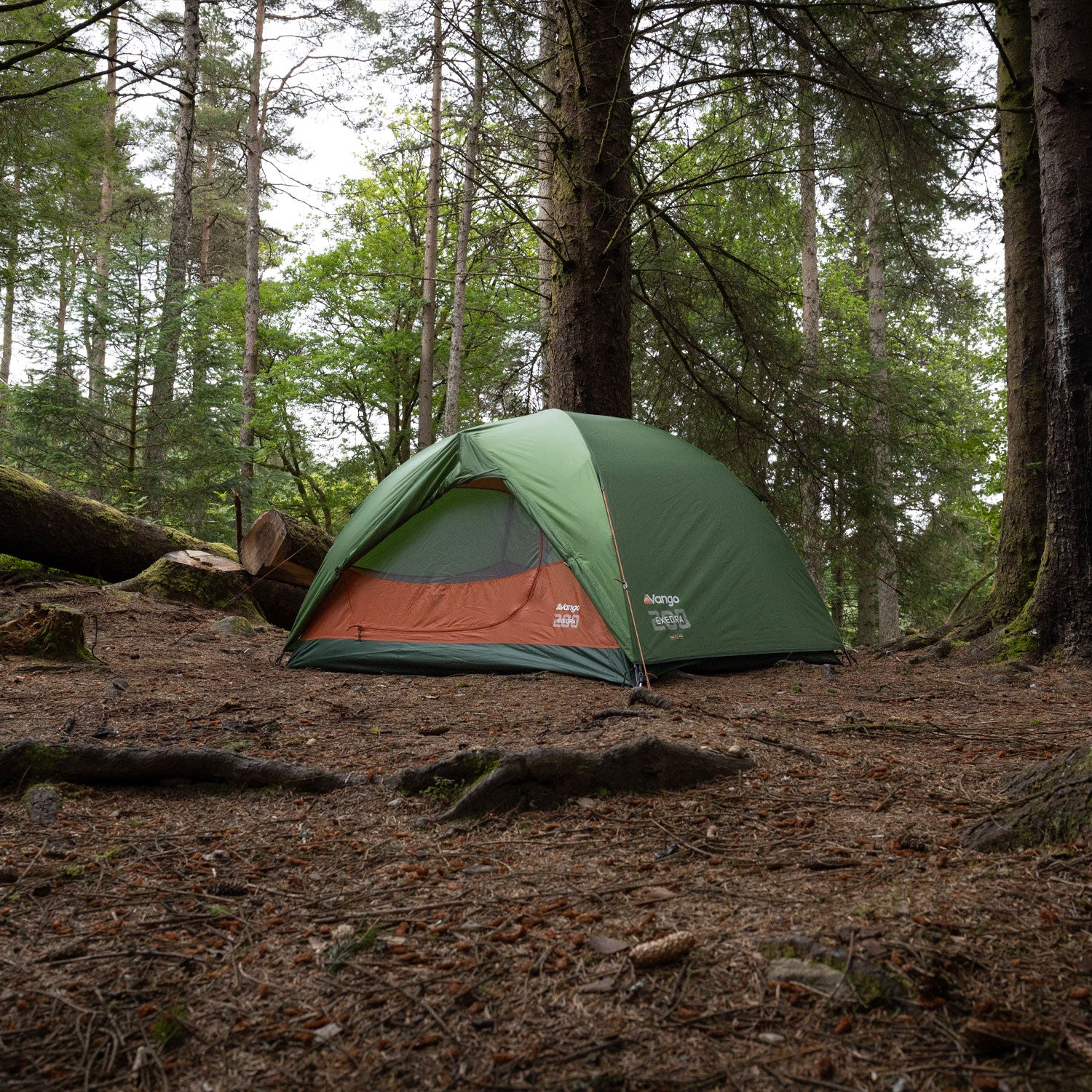
| Vango Exedra 200 | Best for two people | 2.39kg | 45 × 15cm | 3,000mm | Shared access and storage |
| Terra Nova Solar Event 2 | Best all-season | 1.43kg | 48 × 17cm | 3,000mm | Experienced fast-and-light users |
How we tested the tents
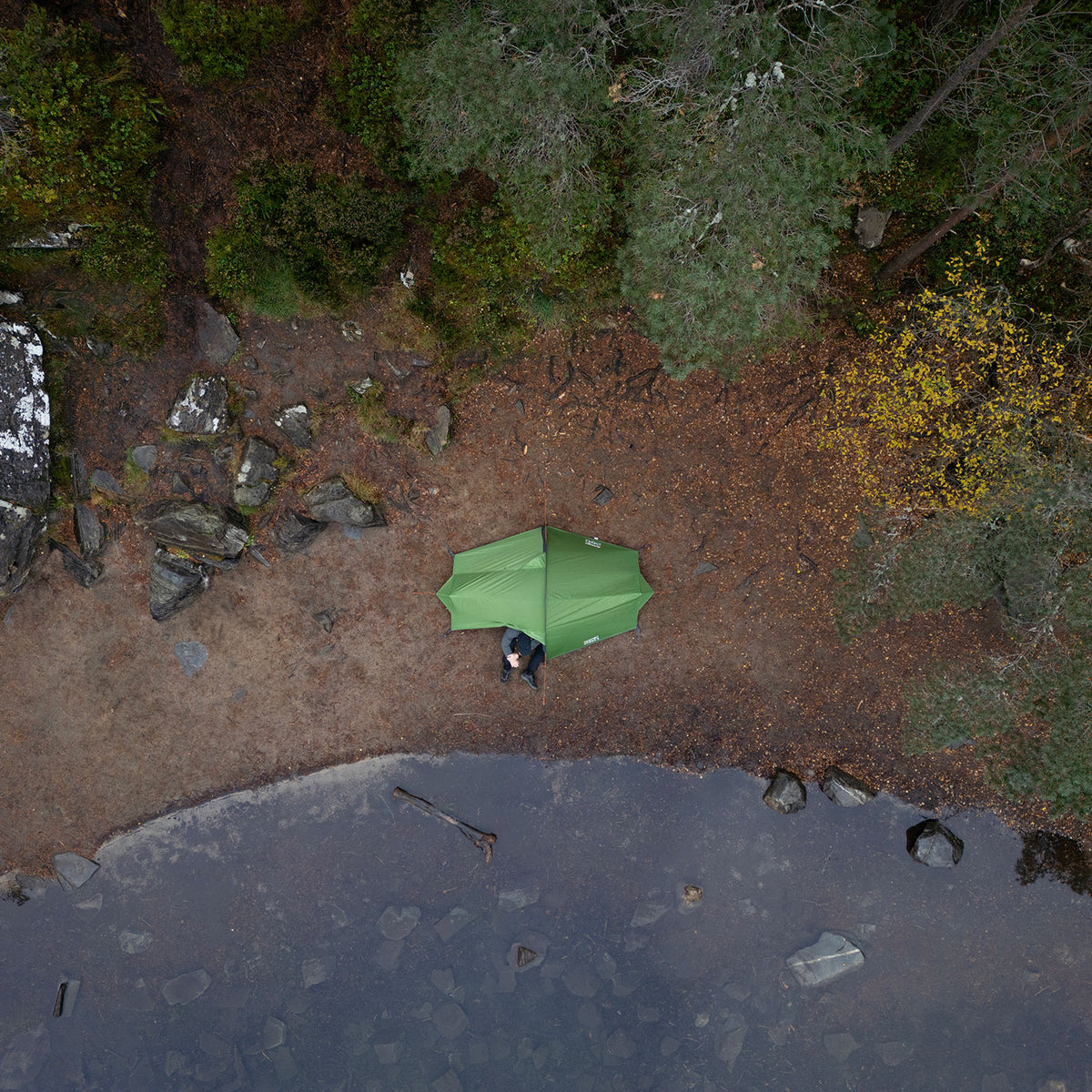
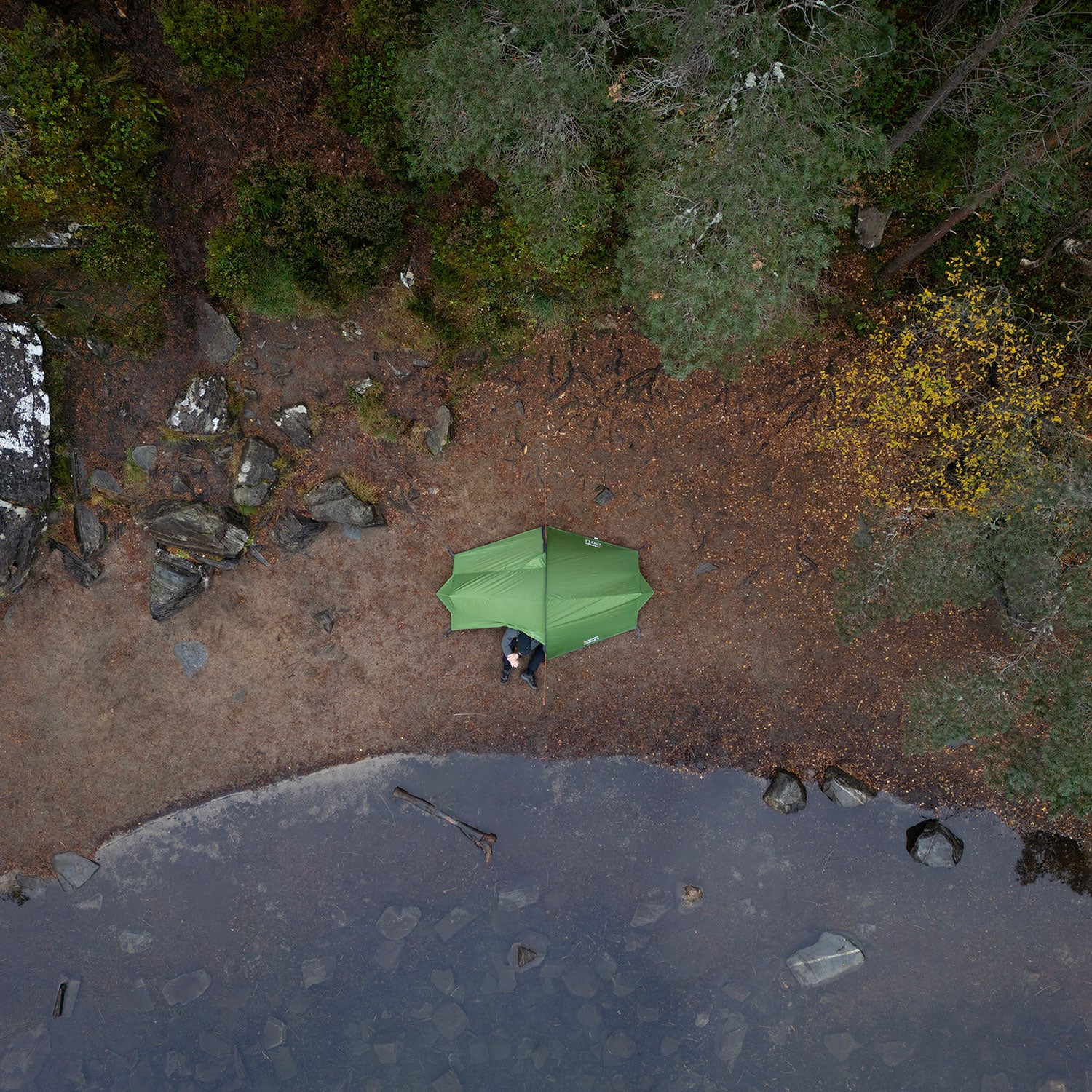
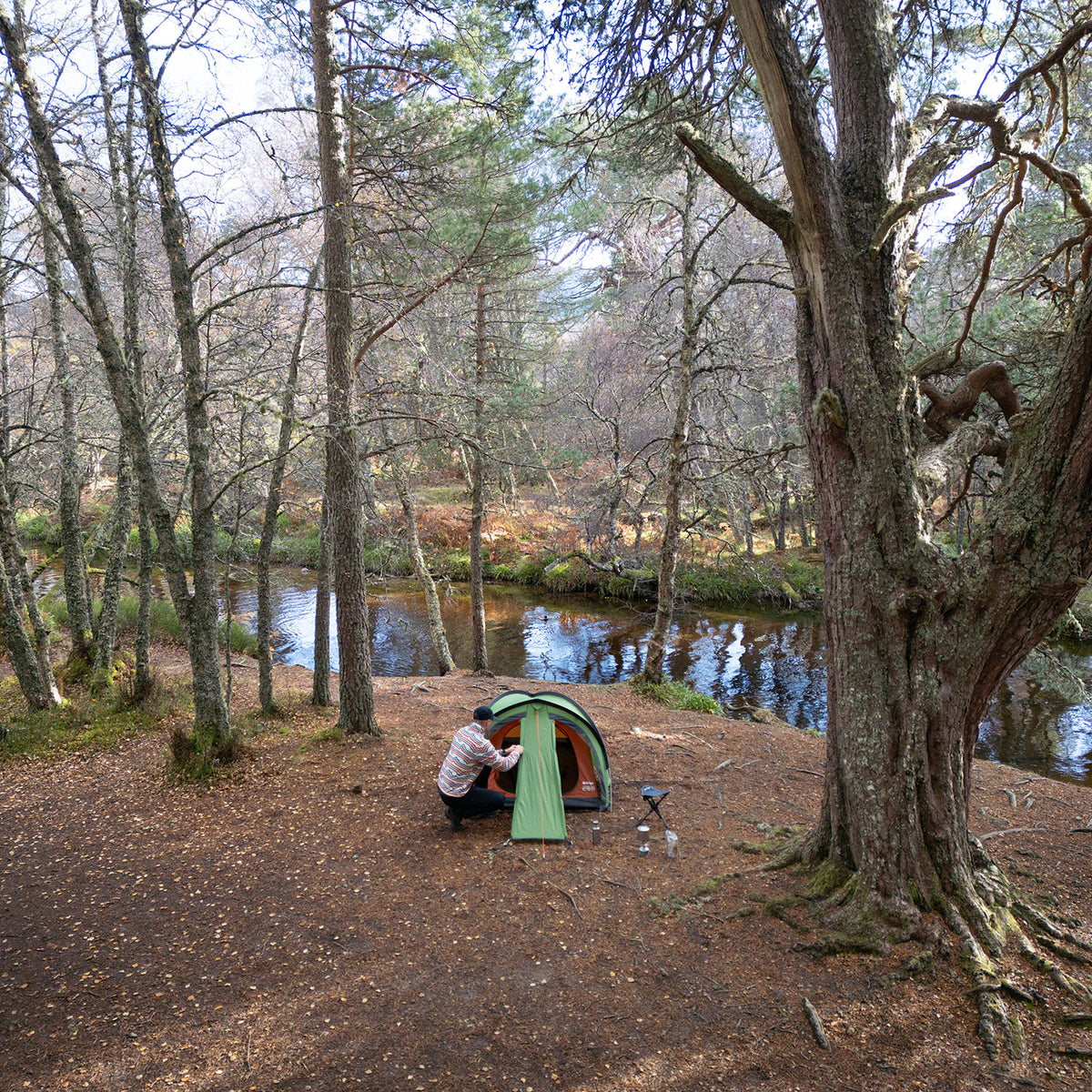
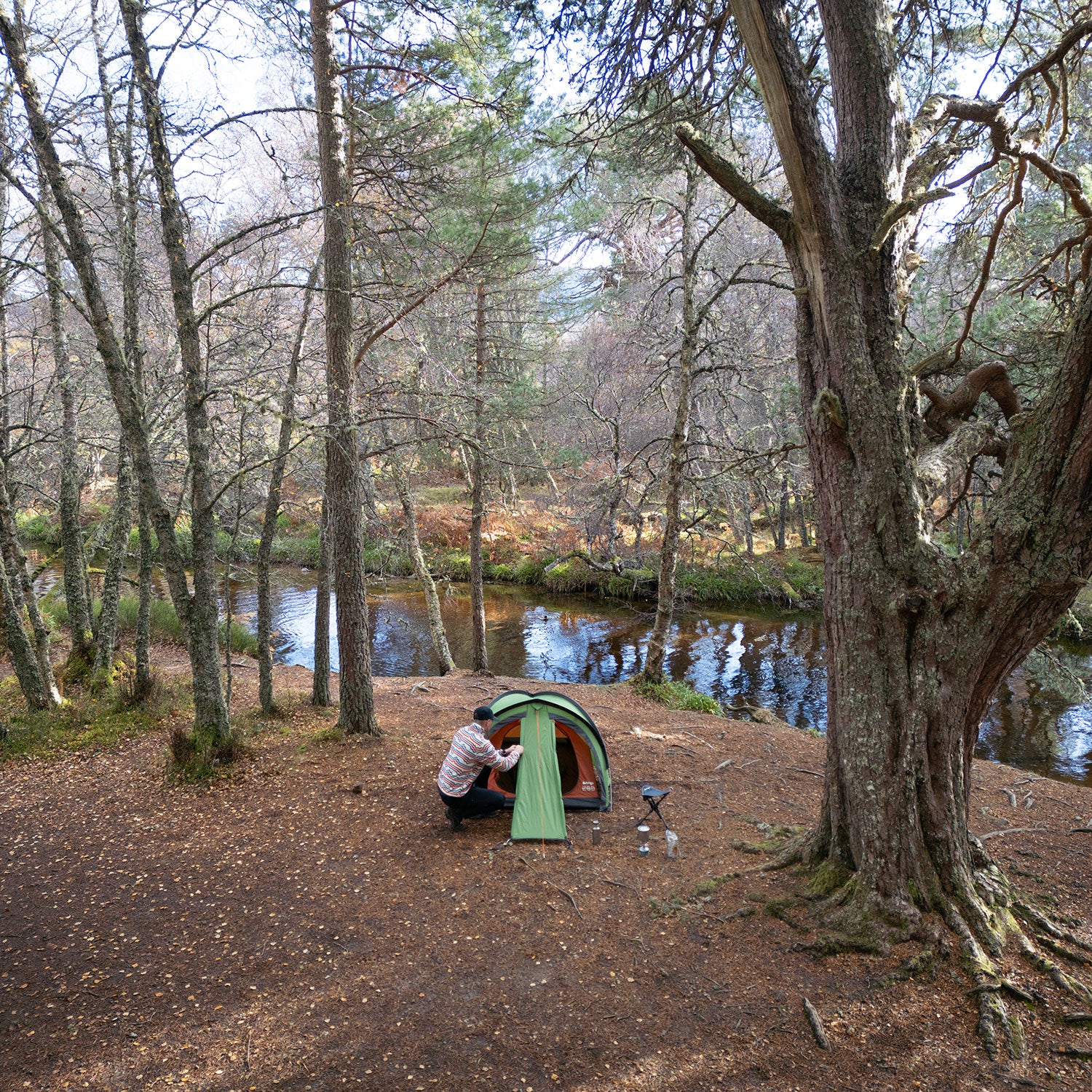
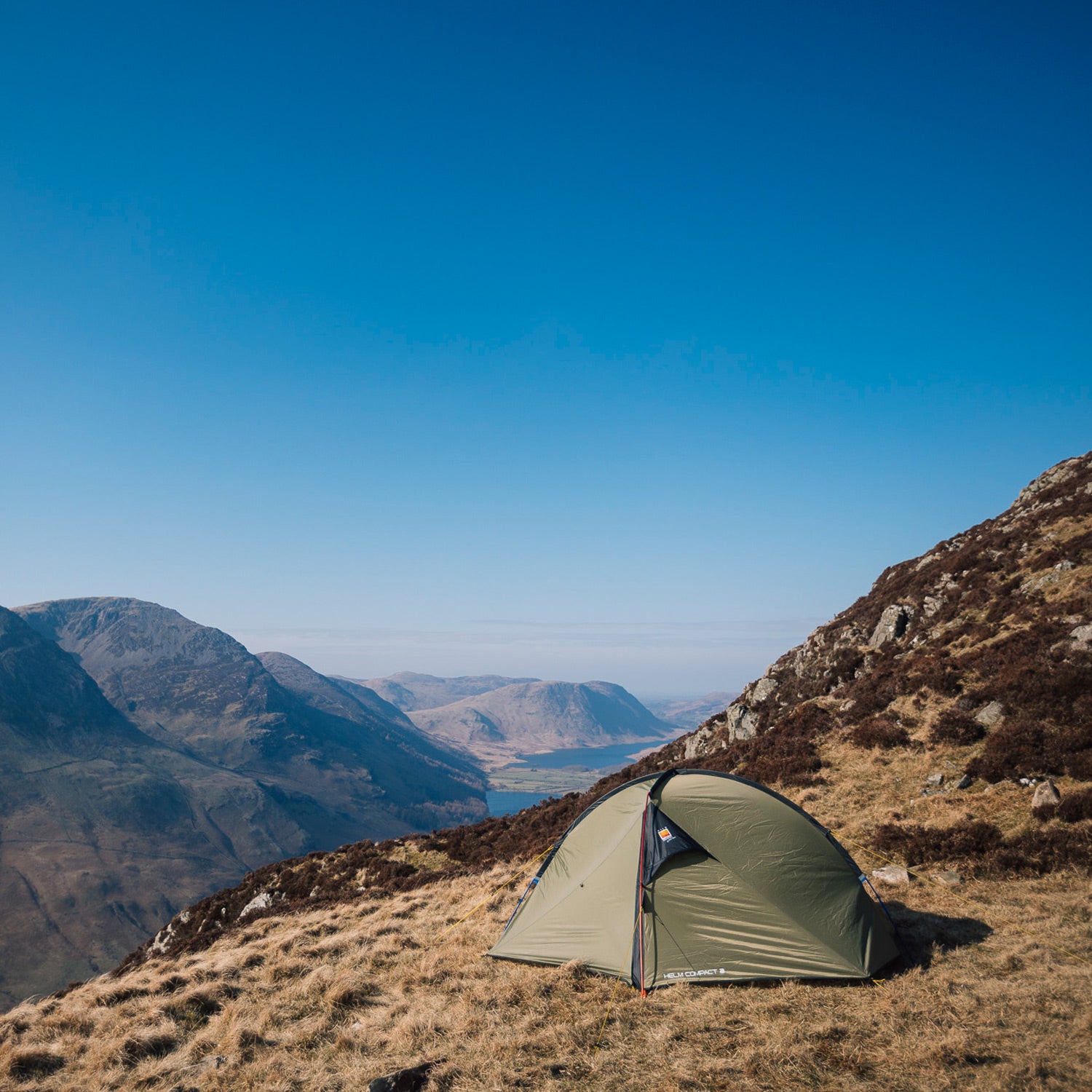
There is no substitute for using a tent outdoors. A model that looks ideal on paper can be awkward to pitch, cramped once wet kit is inside or prone to condensation when the temperature drops. We therefore assess tents in the conditions in which our customers are likely to use them, including exposed Scottish camps, multi-day walks and ordinary lowland trips.
As a retailer, we sometimes receive samples free of charge or on loan from the brands we stock. We also buy tents ourselves for testing. Neither arrangement determines whether a product is included or how it is rated. Our aim is to give a useful, first-hand account of the trade-offs, supported by our wider experience of customer feedback, returns and warranty issues. For each tent, we consider:
- carrying weight and packed dimensions, including how easily the load fits into a typical backpack;
- pitching and packing, particularly in wind or rain and when working alone;
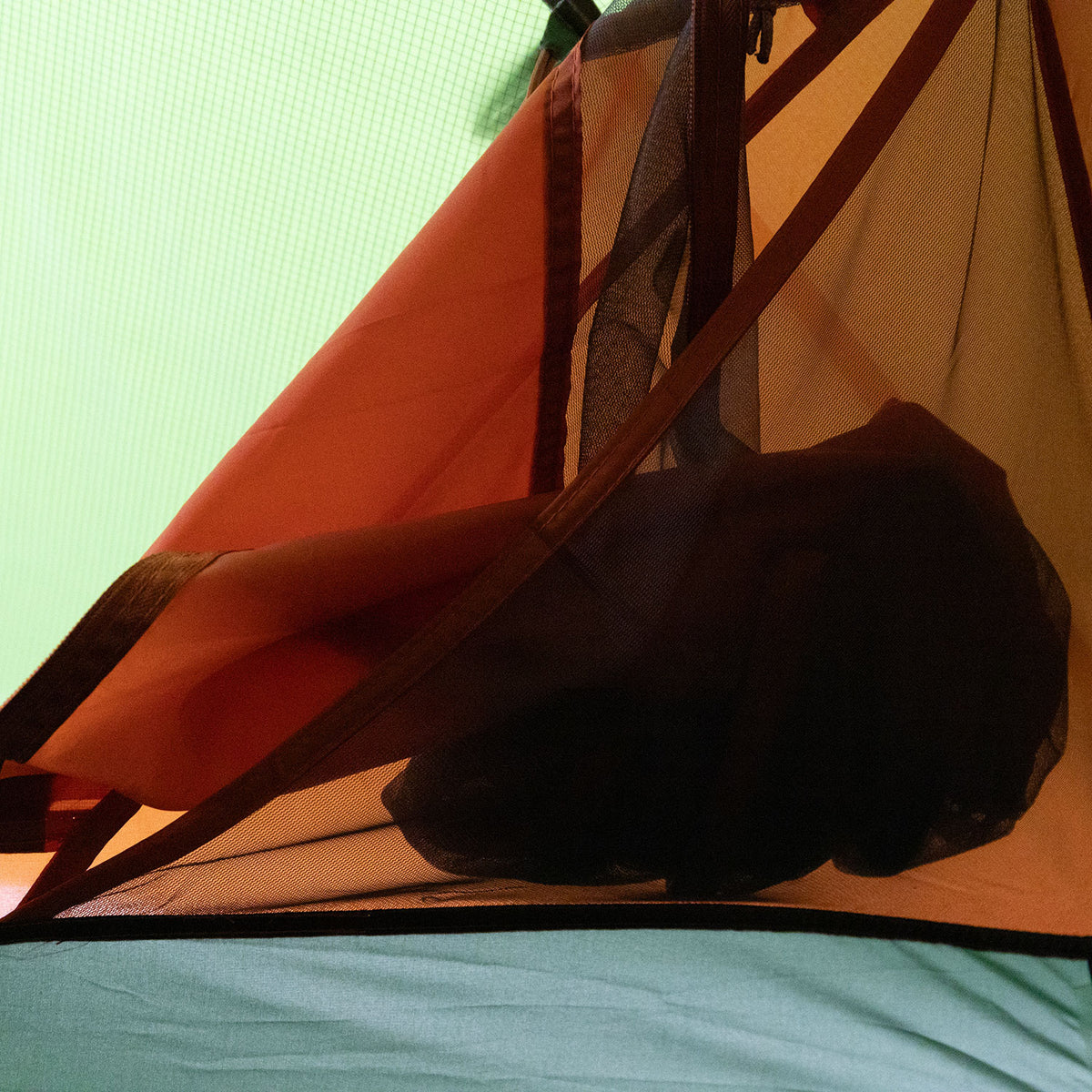
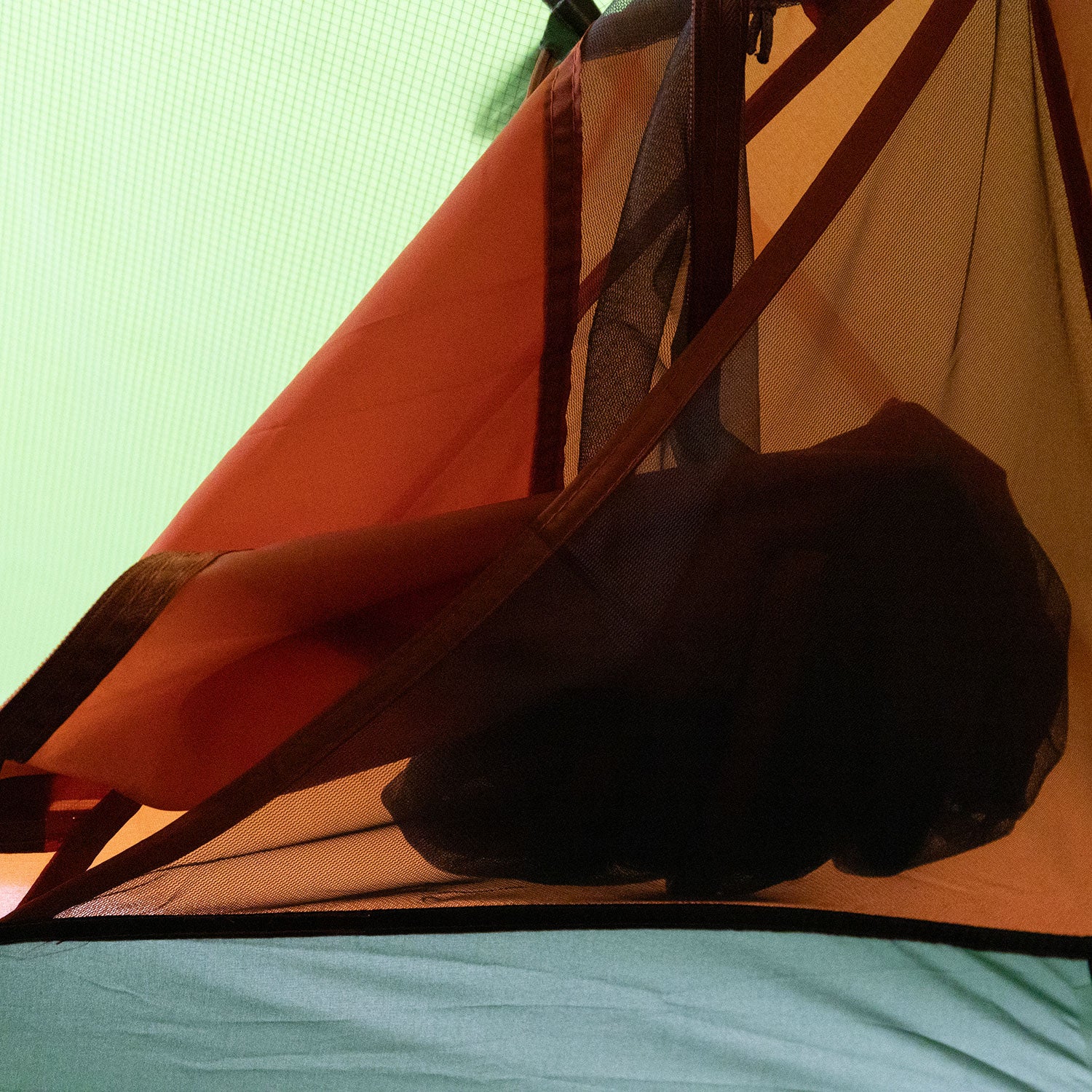
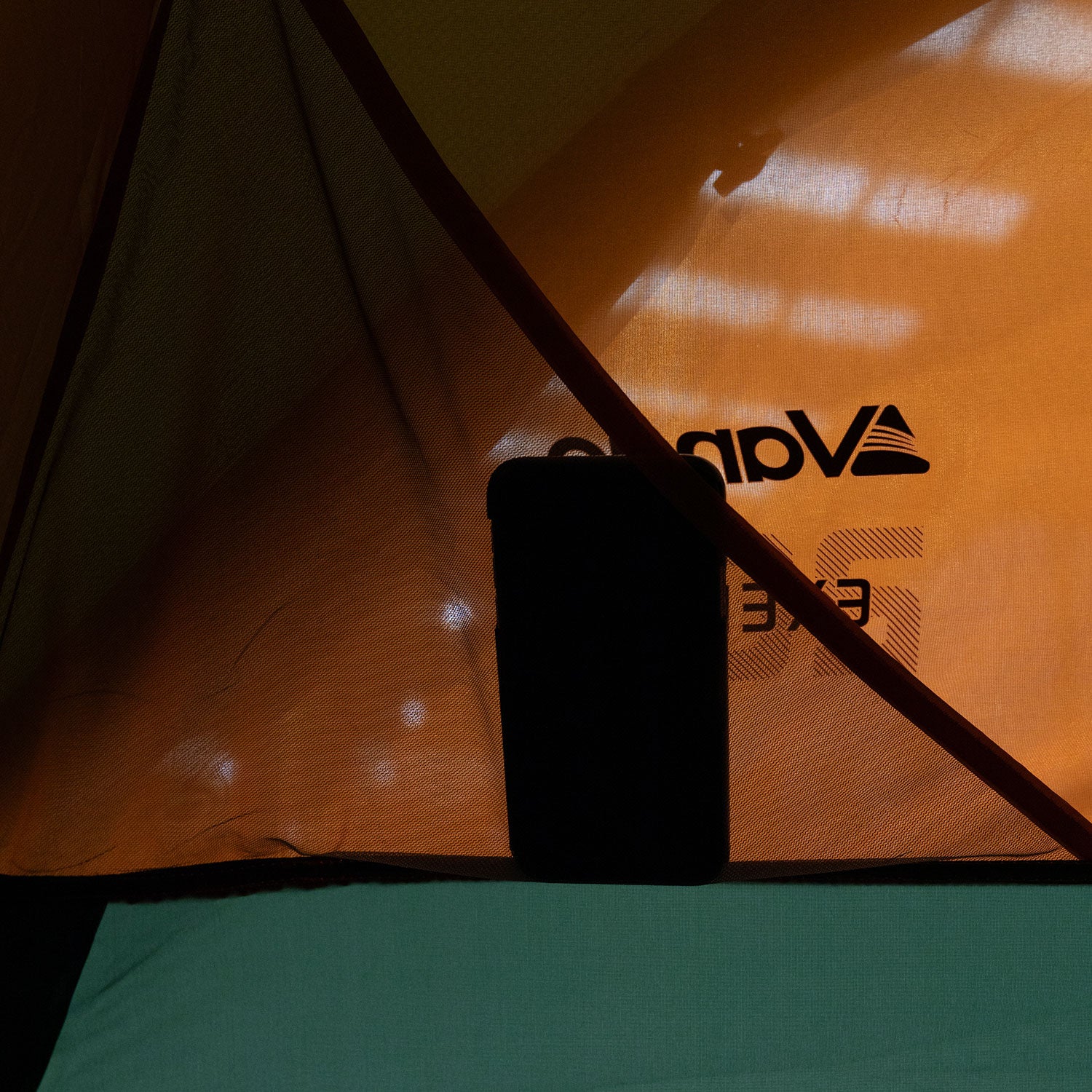
- sleeping space, headroom, access and the amount of genuinely usable porch storage;
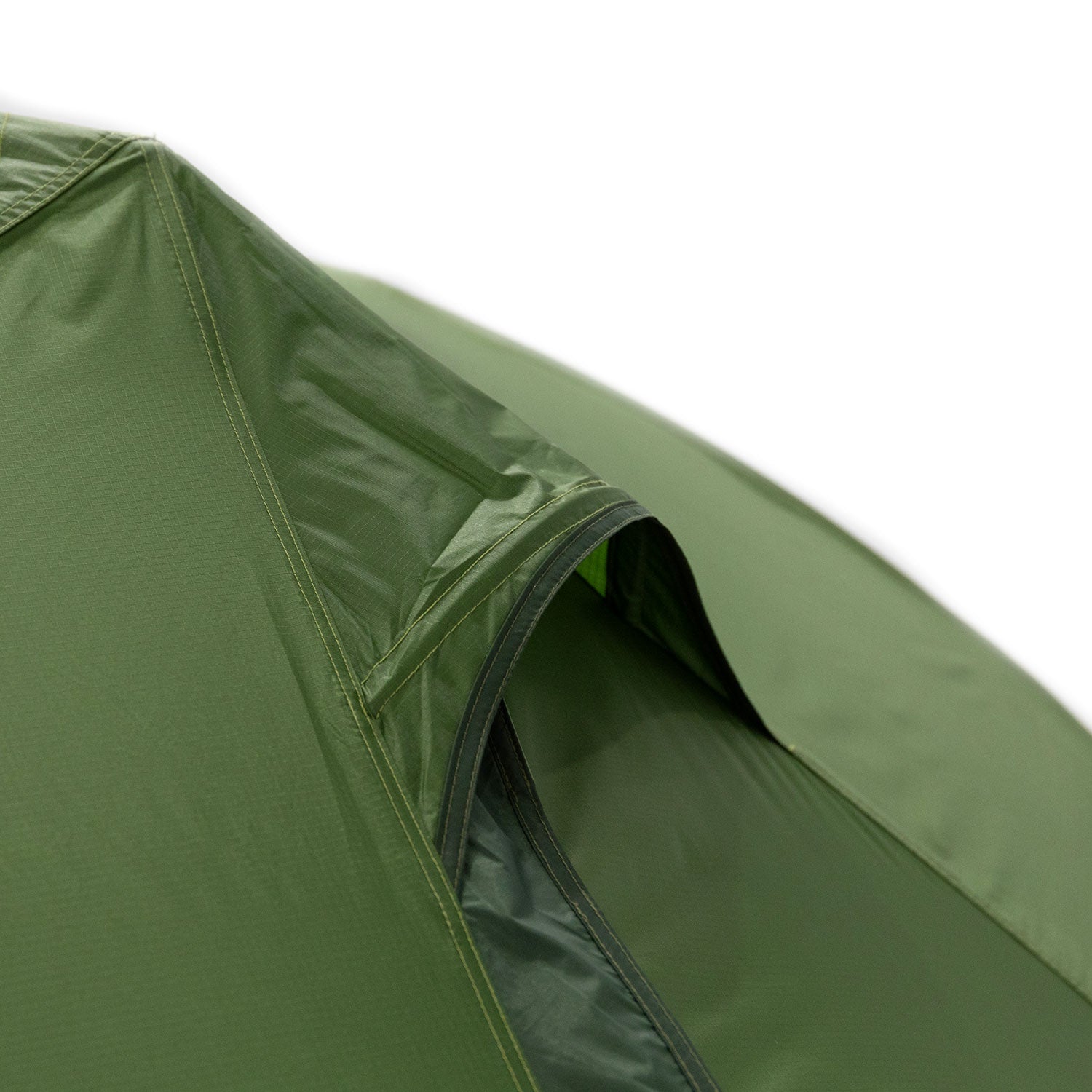
- weather protection, stability, ventilation and condensation management;
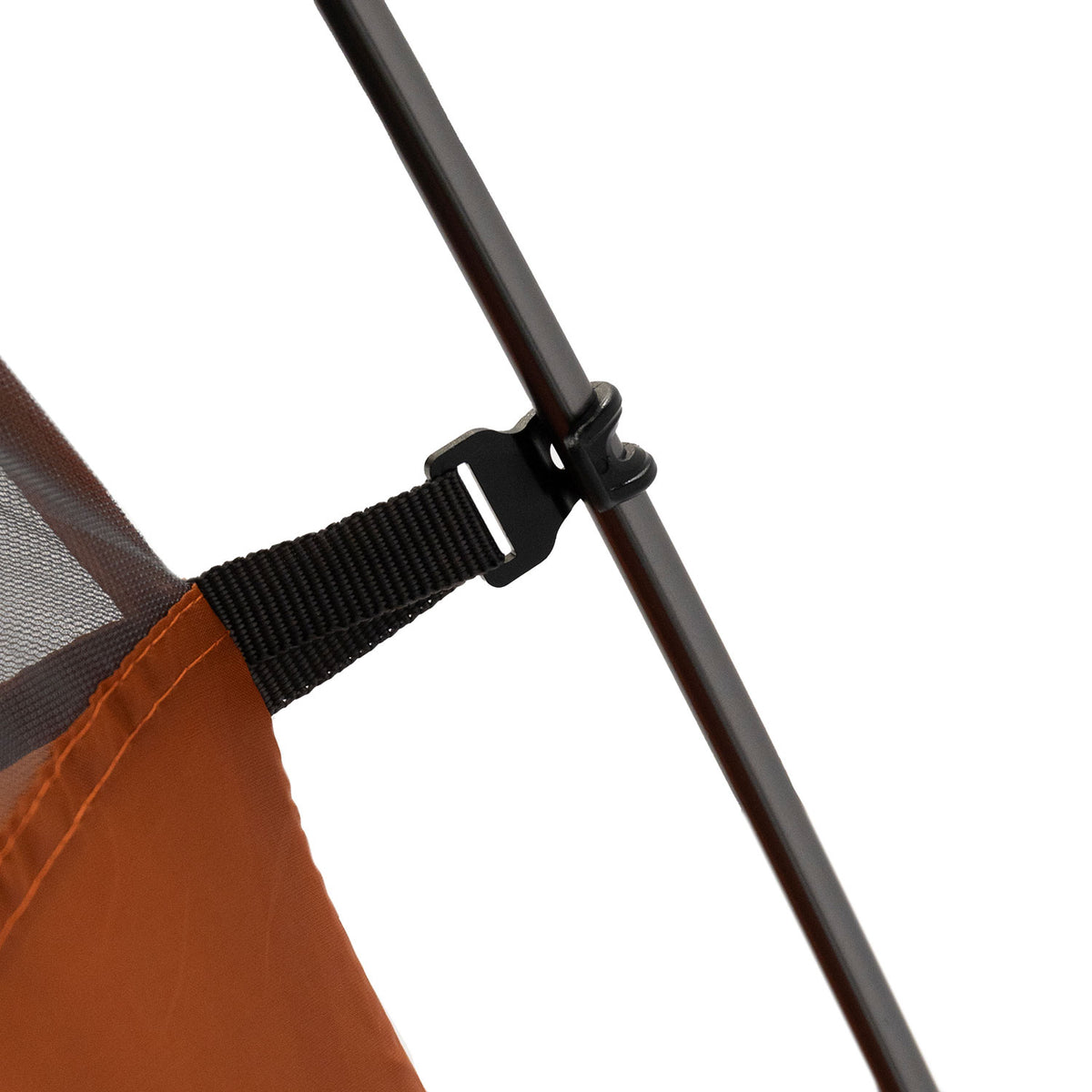
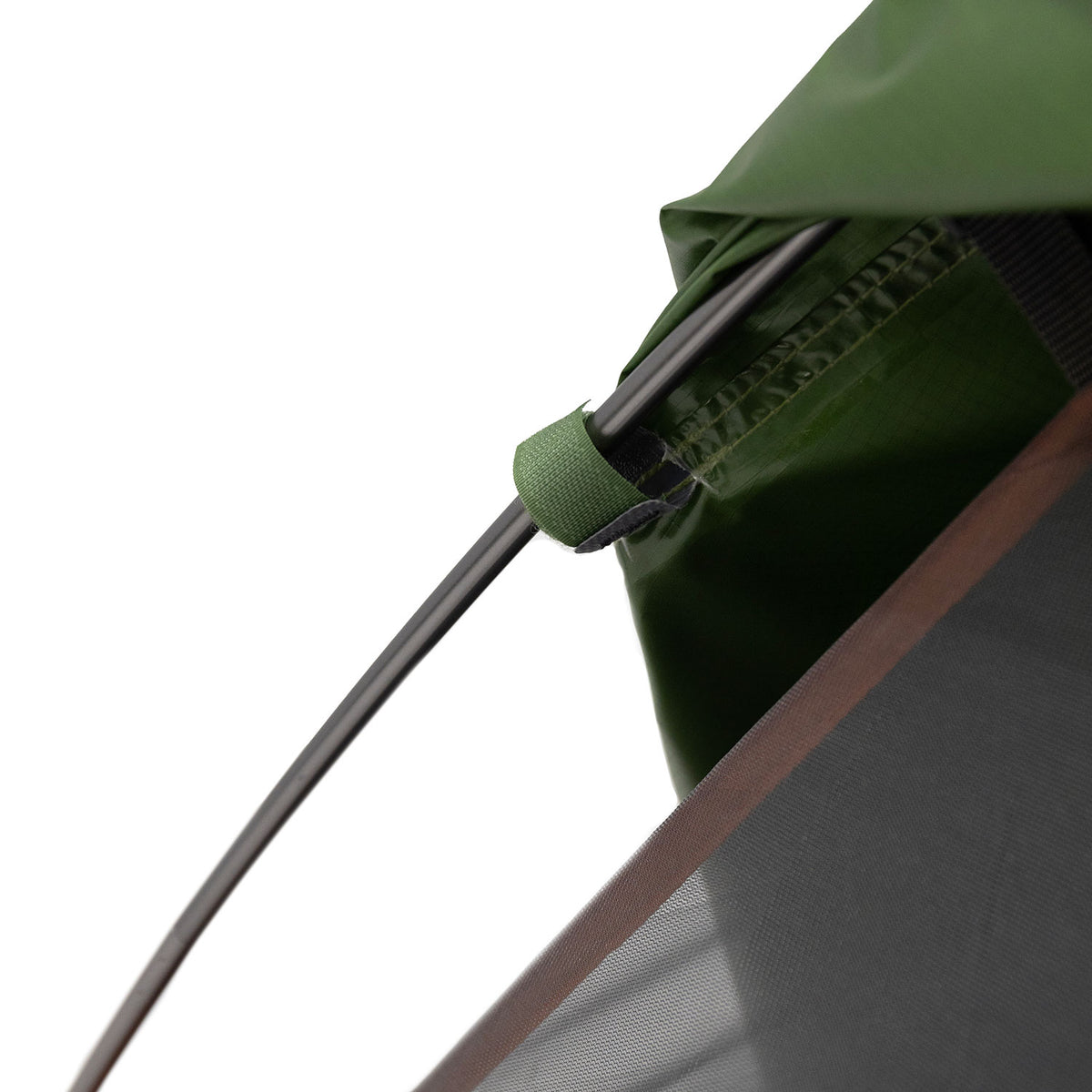
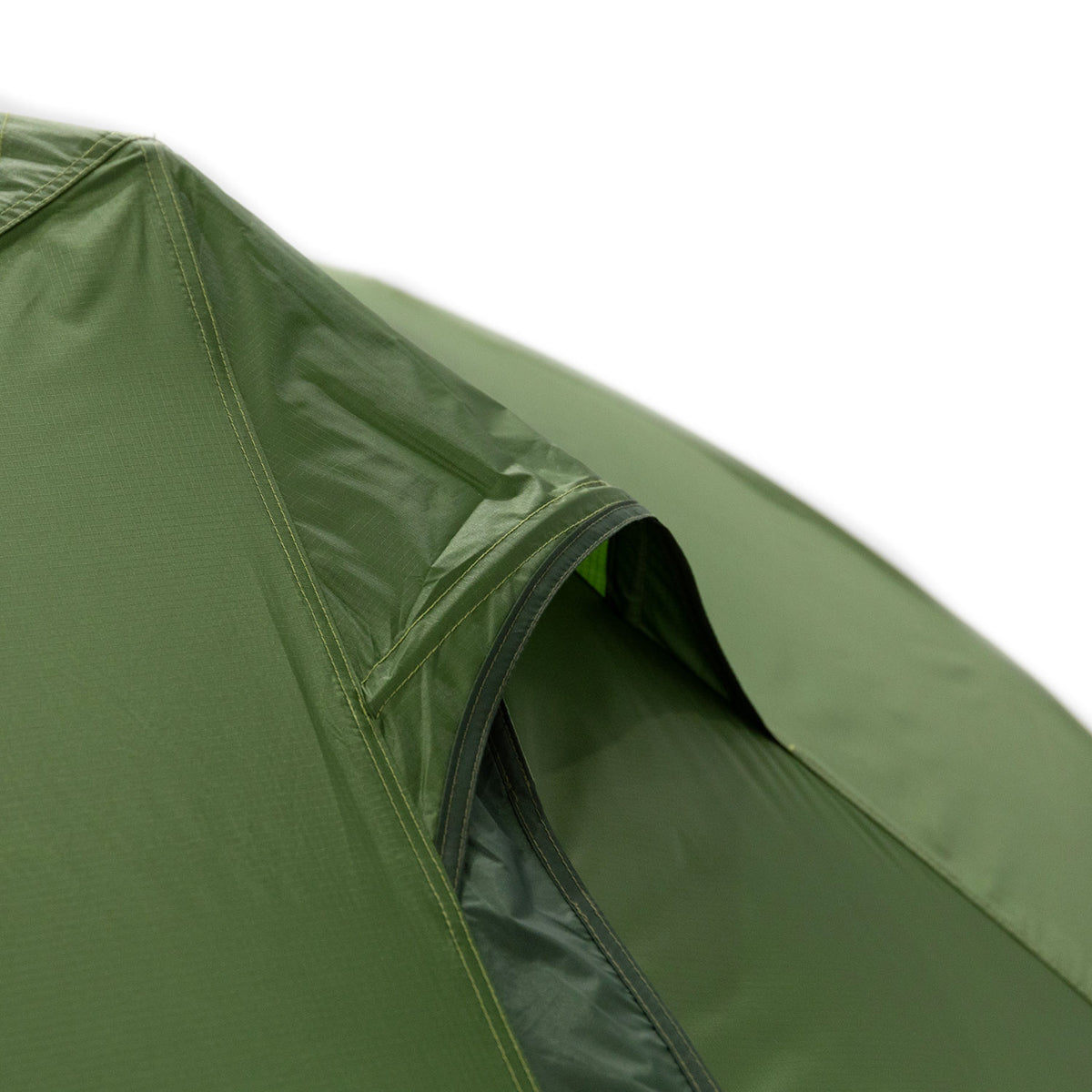
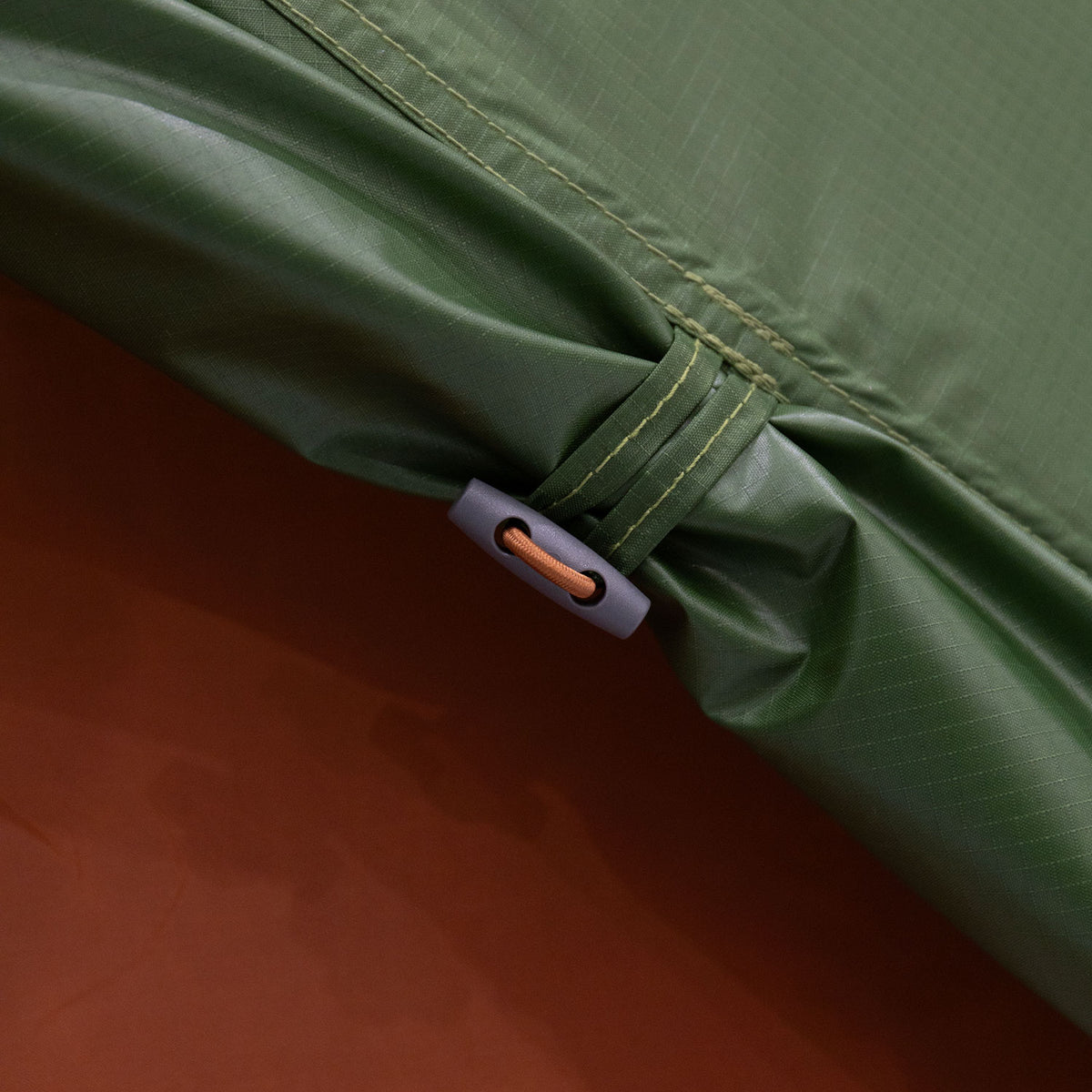
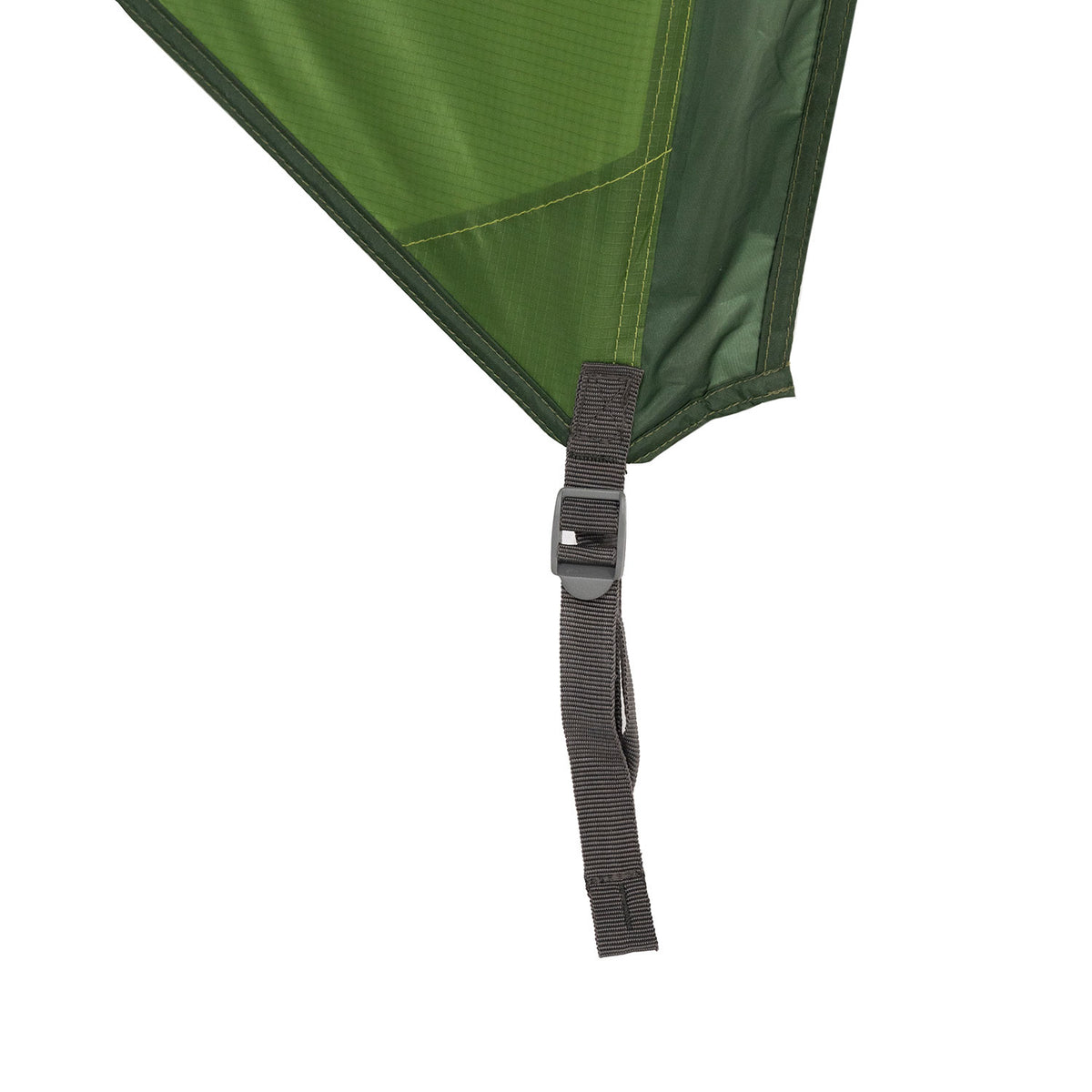
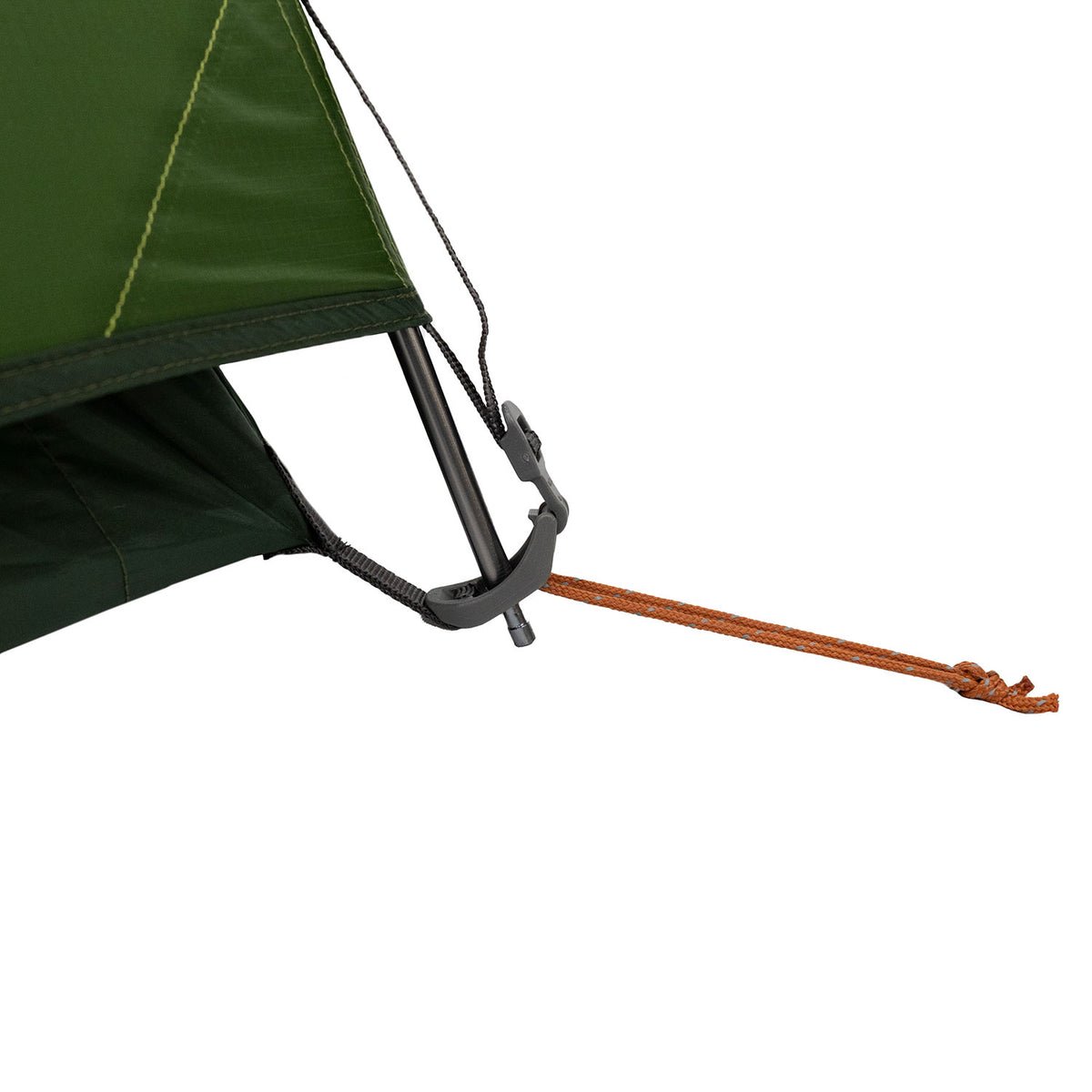
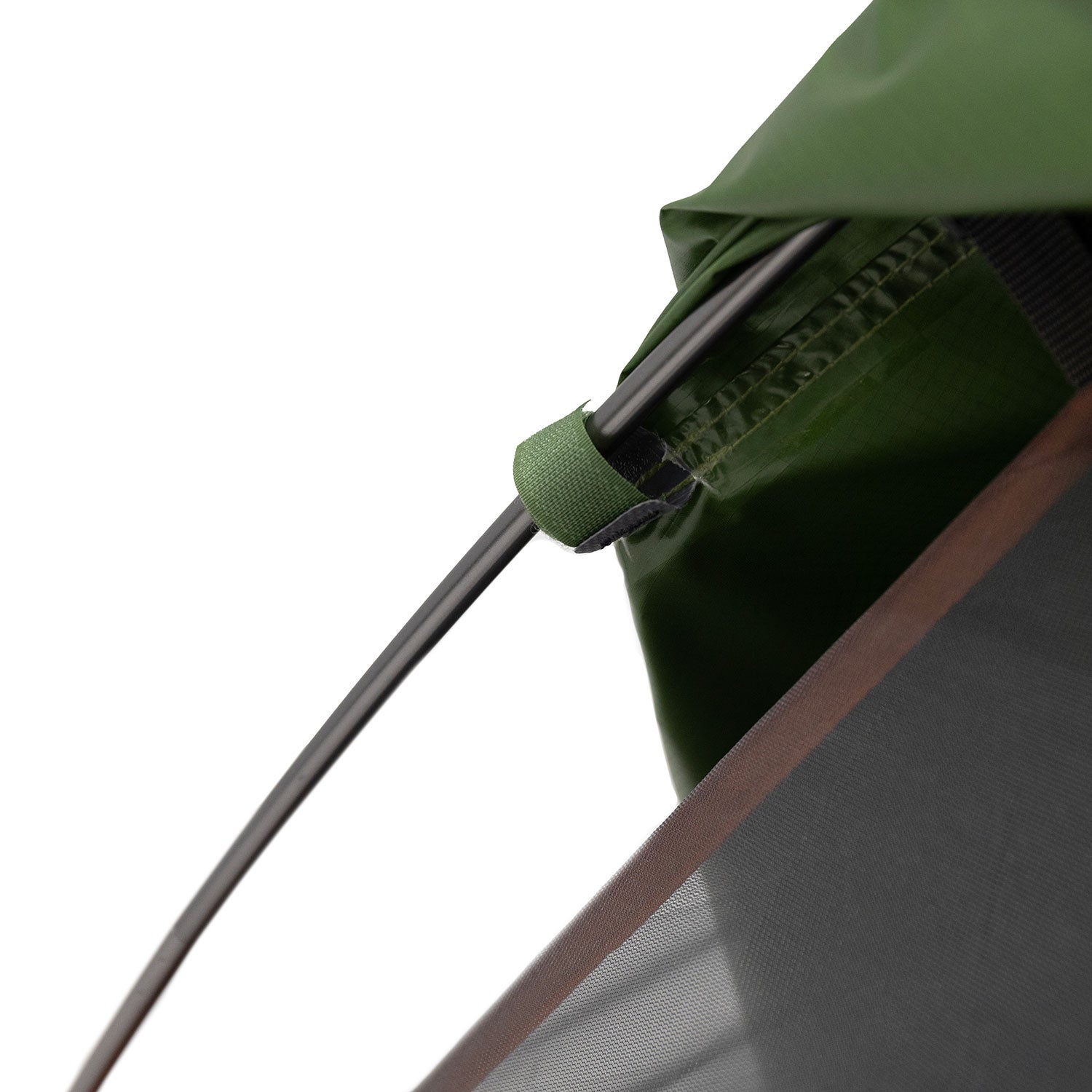
- materials, construction, perceived durability and the quality of poles, pegs and zips;
- and price, warranty support and overall value compared with credible alternatives.
The labels in this guide reflect the best use for each model, not a simple ranking from one to nine. A heavier tent may be the better choice for two people, while a compact solo tent may justify less living space in return for a lighter pack.